








The Growing Epidemic of Digital Fraud
In today's connected India, digital transactions are a part of everyday life. Unfortunately, this convenience has been accompanied by a sharp rise in online fraud. Scammers are becoming increasingly sophisticated, using everything from phishing emails
and fake e-commerce sites to impersonation and OTP-based scams. They exploit trust and create a sense of urgency to cause significant financial loss and emotional distress. Fraudsters may pose as bank officials, government agents, or even family members in distress, all with the aim of stealing your personal information or hard-earned money. Common tactics include claiming your KYC has expired, offering a prize you've supposedly won, or creating fake job opportunities that require a fee. This constant barrage of threats has eroded trust in digital platforms and left many people feeling vulnerable.
What Is Audio Verification?
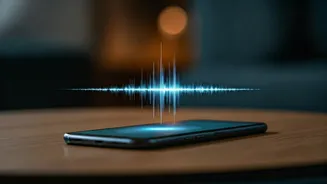
Audio verification, also known as voice biometrics, is a security method that uses the unique characteristics of your voice to confirm your identity. Think of it like a vocal fingerprint. Your voice has a unique combination of physiological and behavioral traits—such as pitch, tone, cadence, and pronunciation—that are incredibly difficult to replicate. When you enroll in a voice verification system, it creates a digital model, or 'voiceprint', of these characteristics. This is not an actual recording of your speech but a mathematical representation of it. The next time you need to authenticate yourself, the system compares your live voice to the stored voiceprint. If they match, your identity is verified. This technology is a powerful alternative to traditional passwords and PINs, which can be stolen or forgotten.
How Audio Codes Outsmart Scammers
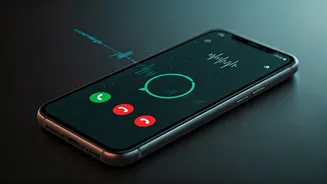
The primary way scammers succeed is by tricking you into revealing sensitive information, like a One-Time Password (OTP) sent via SMS. They might call you, pretending to be from your bank, and ask for the code to 'confirm' a transaction. This is where audio verification changes the game. Instead of an SMS, a verification code can be delivered via a secure, automated voice call. More advanced systems use passive voice biometrics, which can identify you simply by the sound of your voice during a natural conversation, without you needing to say a specific phrase. This makes it much harder for fraudsters. Even if they have your phone number and other personal details, they cannot mimic your unique voiceprint. This technology is also effective against emerging threats like AI-powered voice cloning, where scammers use AI to impersonate a loved one's voice to ask for money.
A Practical Layer of Defence
For Indian households, audio verification offers a seamless and powerful layer of security. It is particularly effective in phone-based interactions, which are a primary channel for many scams in the country. Companies like Truecaller are already rolling out features that can detect whether a caller is using a synthesized AI voice, helping to flag scam calls in real-time. For individuals, the advice remains clear: never share verification codes with anyone, no matter who they claim to be. You can also take proactive steps, like creating a secret 'codeword' with family members to use in case of an emergency call asking for money. If a caller cannot provide the secret word, you know it's a scam, even if the voice sounds familiar. This simple strategy, combined with the technological backstop of audio verification, can significantly reduce your family's risk of falling victim to fraud.