







The Seasonal Challenge for Indian Dogs
The Indian summer and monsoon seasons present a unique set of challenges for dogs. Unlike humans, dogs primarily cool down by panting, a method that becomes less effective in extreme heat and high humidity. This can lead to a host of problems, including
dehydration, heat exhaustion, loss of appetite, and digestive issues. The humid monsoon weather also creates a breeding ground for bacteria and fungi, increasing the risk of skin and ear infections. Many pet parents notice their dogs become lethargic and less interested in food, which is a natural response as their bodies try to reduce the internal heat generated by digestion.
Why Fresh Food Makes a Difference
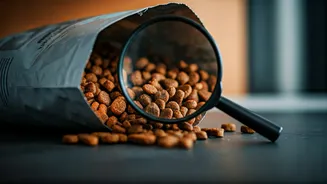
Switching from dry, processed kibble to a fresh food diet is one of the most significant changes you can make for your dog's well-being this season. Dry kibble typically contains only 8-10% moisture, whereas fresh, gently cooked meals contain 70-80%. This high moisture content turns every meal into a source of hydration, which is critical when the heat discourages regular water intake. Fresh food is also more digestible, allowing your dog's body to absorb more nutrients with less effort. It avoids the artificial preservatives, fillers, and additives often found in processed foods, which can contribute to skin inflammation and allergies.
Cooling and Hydrating Ingredients for Your Dog's Bowl
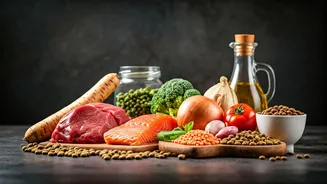
Tailoring your dog's meals with seasonal ingredients can help regulate their body temperature and boost their health. Plain, unsweetened curd (dahi) is an excellent probiotic that cools the body and supports gut health. Vegetables with high water content, like cucumber, bottle gourd (lauki), and pumpkin, are fantastic additions. They provide hydration and fibre, aiding digestion. For protein, opt for lean, gently cooked meats like chicken or fish, which are easier to digest than red meats. Small amounts of water-rich fruits like seedless watermelon can be given as a refreshing treat. Another powerful addition is unsalted bone broth, which can be served cool to encourage liquid consumption.
Monsoon-Specific Superfoods
The rainy season calls for an immune system boost to fight off infections. Certain superfoods are perfect for this. Turmeric contains curcumin, a compound with powerful anti-inflammatory and antioxidant properties that can help with joint pain and skin health. Coconut, in the form of a little oil, has antiviral and antifungal properties. Carrots and pumpkin are rich in beta-carotene, which supports vision and immunity. Chia seeds, packed with omega-3 fatty acids, can also help reduce inflammation and support a healthy coat. These ingredients help build a natural defence against common monsoon ailments.
Foods to Avoid During Hot and Humid Weather
Just as important as what you add is what you avoid. Never give your dog chocolate, onions, garlic, grapes, or raisins, as these are toxic. During summer, it is also wise to avoid very rich, fatty foods that are hard to digest and generate more metabolic heat. While fruits can be hydrating, always remove seeds and rinds, especially from fruits like watermelon and mangoes. Be cautious with dairy products beyond plain curd, as many dogs are lactose intolerant. Always ensure home-cooked meals are formulated correctly to be nutritionally complete and avoid any seasonings.
Beyond the Bowl: Seasonal Fitness and Care
Diet is central to your dog's fitness, but it works best with other seasonal adjustments. Schedule walks for the coolest parts of the day, such as early morning and late evening, to avoid hot pavements that can burn paws. Ensure they always have access to multiple bowls of fresh, clean water. For dogs with thick coats, regular grooming is essential to prevent matting and skin infections, which are more common in the monsoon humidity. Indoor games can provide mental and physical stimulation when it is too hot or wet to go outside.