


The Classic Green vs. The Volcanic Raw
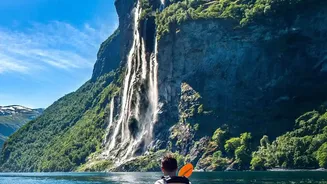
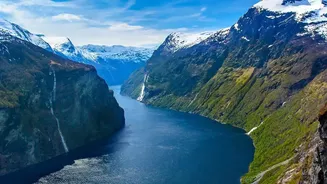
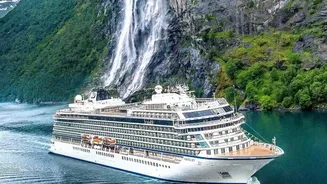
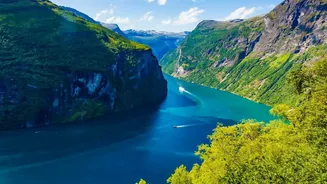
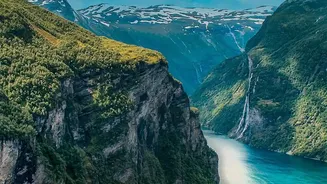
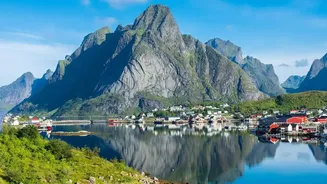
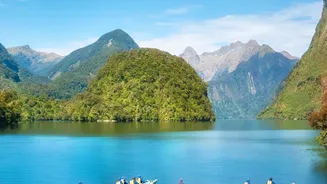
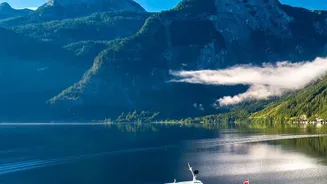
Norway is home to the quintessential fjord image that many travellers imagine. Its landscapes are defined by impossible shades of green, with lush forests and fertile valleys clinging to steep mountainsides that plunge into deep, serene water. Cascading
waterfalls, some of which are among Europe's tallest, carve silver ribbons down the rock faces. The UNESCO-listed Geirangerfjord and Nærøyfjord are prime examples of this dramatic, verdant beauty, often dotted with picturesque villages and remote farms. In contrast, Iceland's fjords, particularly in the Westfjords and Eastfjords, present a rawer, more primal beauty. Shaped by volcanic activity, these landscapes are starker, with broad, U-shaped valleys, black sand beaches, and mountains that are often barren and snow-capped even in summer. The beauty here is one of immense space, rugged coastlines, and a feeling of being at the edge of the world.
Scale, Depth, and Shape
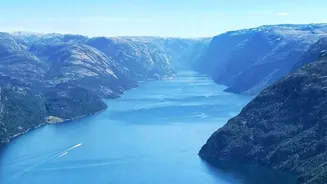
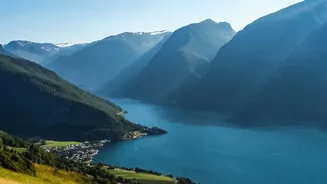
When it comes to sheer scale, Norway's fjords are titans. The Sognefjord is the country's longest and deepest, stretching over 200 kilometres inland and reaching depths of more than 1,300 metres. Many Norwegian fjords are famously narrow, like the Nærøyfjord, which is only 250 metres wide at one point, creating a sensation of being enveloped by the mountains. Icelandic fjords are generally wider, shorter, and shallower. The country has around 109 named fjords, primarily clustered in the Westfjords and the East. While they may not have the same staggering depth as their Norwegian counterparts, their intricate and sprawling coastlines offer a different kind of grandeur, creating a labyrinth of inlets and peninsulas to explore.
Wildlife and Natural Encounters
Both destinations offer rich opportunities for wildlife spotting, but the local residents differ. Norway’s fjords and surrounding forests are home to land mammals like red deer, moose, and lynx. The coastal cliffs are vital nesting grounds for seabirds, including white-tailed eagles and puffins. In the water, you may spot harbour seals and porpoises. Iceland is a paradise for marine mammal enthusiasts. Whales are a major attraction in fjords like Hvalfjörður ('Whale Fjord'), and seals are commonly seen basking near the shore. The Westfjords are particularly famous for their massive bird cliffs, such as Látrabjarg, which hosts one of Europe's largest concentrations of seabirds, including millions of puffins during the summer. The region is also a key habitat for the Arctic fox.
Accessibility and Tourist Experience
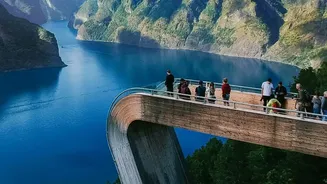
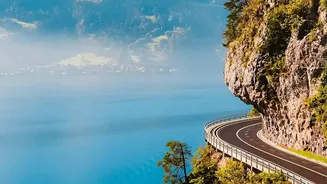
Norway's fjord region is exceptionally well-connected. A sophisticated network of trains, ferries, and scenic roads makes it possible to experience iconic spots like the Sognefjord and Geirangerfjord even without a car. Popular tours like 'Norway in a Nutshell' combine different modes of transport for a seamless journey. Charming villages like Flåm and Geiranger serve as bustling hubs for activities. Iceland's fjords, especially the Westfjords, offer a more off-the-beaten-path adventure. Reaching them often requires a dedicated self-drive tour, and some roads can be challenging or impassable in winter. The reward is a sense of quiet solitude and untouched wilderness, with small fishing villages that feel worlds away from the more crowded tourist spots in the country's south.