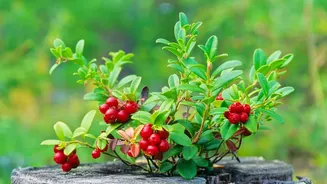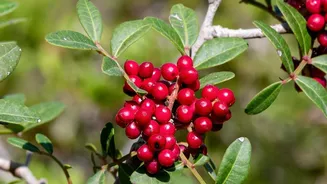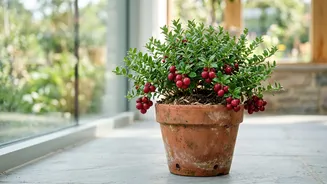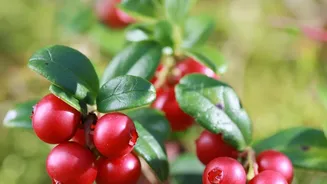





Thinking of growing your own cranberries? This unique, rewarding project is entirely possible indoors, but success hinges on two key factors: humidity and drainage. Here’s how to master both and bring this festive fruit into your home.
Choose the Right Cranberry Variety
Before you can focus
on care, you need the right plant. Not all cranberry varieties are suited for life in a pot. The American cranberry, Vaccinium macrocarpon, is the species you'll want to find. Within this family, look for compact or trailing varieties that are known to perform well in containers. Cultivars like 'Pilgrim', 'Stevens', and 'Redstar' are excellent choices, with 'Pilgrim' being particularly well-suited for hanging baskets due to its cascading habit. 'Franklin' is another compact variety ideal for containers. Starting with a small plant or a rooted cutting is much easier than growing from seed, which can take years to produce fruit.
The Foundation: Acidic Soil
Cranberries are famous for their love of acidic conditions, a non-negotiable requirement for them to thrive. They need a soil pH between 4.0 and 5.5, which is far more acidic than typical potting soil. You cannot use standard garden or houseplant soil. The ideal mix for an indoor cranberry pot is one that mimics their natural boggy, yet sandy, environment. A great recipe is a blend of two parts peat moss to one part coarse horticultural sand. The peat moss provides the necessary acidity and moisture retention, while the sand ensures the mixture doesn't become a waterlogged brick. Always test your mix to ensure the pH is in the correct range before planting.
Mastering Critical Drainage
While cranberries love moisture, they despise stagnant water at their roots. Proper drainage is just as critical as acidic soil and is a common failure point for indoor growers. Their roots are shallow, mostly residing in the top six inches of soil, and they need aeration to prevent devastating root rot. Start with a pot that has ample drainage holes. A wide, shallower container (at least 12-15 inches in diameter) is often better than a deep one, as it mimics their natural spreading habit. To further improve drainage, you can add a layer of sand on top of the soil after planting, which also helps suppress weeds and provides a good surface for the plant's runners.
Creating a Humid Microclimate
Cranberry plants prefer higher humidity than is found in the average home. Dry air can stress the plant and inhibit its growth. Thankfully, increasing humidity around your plant is straightforward. The most effective method is using a small humidifier near the pot. Alternatively, you can create a humidity tray by placing the pot on a saucer filled with pebbles and water. As the water evaporates, it will raise the ambient humidity around the plant's leaves. Grouping your cranberry with other houseplants also creates a small, humid microclimate as the plants release moisture through transpiration. Misting the plant with a spray bottle can provide a temporary boost, but it is less consistent than other methods.
Light, Water, and Ongoing Care
With the soil and humidity sorted, daily care is simple. Cranberries need full sun to produce an abundance of fruit, so place your pot near a south_facing window where it can get at least six hours of direct light per day. Water is crucial; the soil should be kept consistently moist but never soggy. Container_grown cranberries need more frequent watering than those in the ground, especially in summer. Check the soil daily and water thoroughly when the top inch feels dry. Cranberries have low nutrient needs, so fertilize sparingly in the spring with a balanced fertilizer designed for acid_loving plants like rhododendrons or azaleas.