



First Step: Securing Your Inner Line Permit (ILP)
Before you even pack your bags for Arunachal Pradesh, your first task is securing an Inner Line Permit (ILP). This is a mandatory travel document for any Indian citizen who is not a resident of the state. Trying to enter without one will lead to being
turned back at the border checkposts. The good news is that the process is now primarily online, making it straightforward. You can apply through the official government portals. You'll need a recent passport-sized photograph and a clear scan of a valid government ID like an Aadhaar card or passport. The application also requires you to mention your intended travel dates and the districts you plan to visit, including Lower Subansiri for Ziro. The fee is nominal, and once approved, you can download the e-ILP. It's wise to apply at least a few days in advance of your trip and always carry a printed copy along with the original ID you used for the application.
Why Ziro Demands a Sustainable Approach
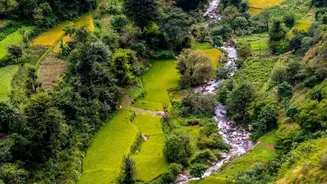
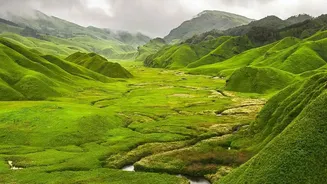
Ziro Valley is not just another hill station; it is a cultural landscape and a candidate for the UNESCO World Heritage Site list. It's the home of the Apatani community, a tribe renowned for its deep ecological wisdom and sustainable living practices. Their most famous innovation is the unique system of wet rice cultivation combined with fish farming (paddy-cum-pisciculture) that utilises intricate water management without the use of farm animals or machinery. This delicate balance of nature and culture is precisely what makes Ziro special, and it’s why responsible travel is not just a trend here, but a necessity. A sustainable trip ensures that the valley's pristine environment and the Apatani way of life are preserved for generations to come.
Choose Homestays for an Authentic Experience
To truly immerse yourself in the local culture and contribute directly to the community, opt for a homestay over a conventional hotel. Ziro is dotted with traditional wooden and bamboo houses that now welcome guests, offering a glimpse into the Apatani way of life. Staying with a local family provides an unparalleled opportunity to learn about their customs, share home-cooked meals, and hear stories about their traditions. Many homestays are nestled amidst kiwi orchards or offer stunning views of the paddy fields. This choice not only enriches your travel experience but also ensures that your tourism money directly supports the local families who are the custodians of Ziro's heritage.
Mindful Exploration: Respecting Culture and Nature
Sustainable travel goes beyond just where you stay. When exploring the villages of Hong, Hari, and Hija, it's crucial to be respectful. Always ask for permission before taking photographs of people, especially the elder Apatani women who are the last generation to wear the traditional facial tattoos and nose plugs. Hiring a local guide is highly recommended; they can bridge the cultural gap and provide invaluable context to the rituals and customs you might observe. The Apatani people worship nature, and many groves are considered sacred. Adhere to the principles of 'leave no trace' by carrying out all your litter and avoiding the use of single-use plastics. Supporting local artisans by purchasing their intricate handloom designs and bamboo crafts is another way to engage responsibly with the local economy.
Getting There and Getting Around
Reaching Ziro involves a multi-leg journey, typically starting from Guwahati in Assam or Itanagar, the capital of Arunachal Pradesh. From these points, you can hire a shared taxi or take a bus. Opting for shared transport is a more sustainable choice than a private car as it reduces the carbon footprint per person. The journey itself is incredibly scenic, winding through hills and forests. Once in Ziro, the valley is best explored on foot or by renting a scooter, which allows for slow, immersive travel through the villages and pine groves. This gives you the freedom to stop and appreciate the serene landscapes at your own pace, from the Tarin Fish Farm showcasing sustainable agriculture to the panoramic views from Kile Pakho ridge.