






What Exactly Is Grid Congestion?
Think of the electricity grid as a national highway system for power. Power plants generate electricity, which is then “transported” across high-voltage transmission lines to towns and cities, where it's distributed to homes and businesses. Grid congestion
is like a massive traffic jam on this highway. It occurs when the amount of electricity trying to flow through a part of the network exceeds the capacity of the transmission lines. Just as a narrow road can't handle rush hour traffic, an outdated or insufficient transmission line can't handle a sudden surge of power, forcing grid operators to limit the flow to prevent overloads and blackouts.
The Solar Power Problem
Solar power presents a unique challenge for grid management. Unlike traditional coal or gas plants that can generate power at a relatively stable rate, solar generation is variable. It peaks in the middle of the afternoon when the sun is strongest and drops to zero at night. This creates a massive influx of power during solar hours, especially in solar-rich states like Rajasthan and Gujarat, which together account for nearly half of India's solar capacity. When this surge of solar power hits the grid, the existing transmission lines in these regions often lack the capacity to carry it all, leading to congestion.
Curtailment: The Price of a Clogged Grid
When the grid gets congested, operators have to make a difficult choice. To maintain stability, they resort to what is known as "curtailment"—they instruct solar (and wind) power producers to reduce or completely stop generating electricity, even if the sun is shining brightly. This is essentially a deliberate wastage of clean energy. The scale of this problem is growing. In the first quarter of 2026 alone, India lost around 300 gigawatt-hours (GWh) of renewable energy due to transmission constraints. Between April and June 2026, a staggering 8,133 GWh of solar power was curtailed. This not only undermines our climate goals but also hurts the finances of renewable energy producers, who are paid only for the power they deliver to the grid.
An Infrastructure Mismatch
The core of the problem is a mismatch in timelines. Solar farms can be built and commissioned in as little as 12 to 18 months, while building the necessary high-voltage transmission lines to evacuate that power can take three to five years. This has led to a situation where a significant portion of new renewable capacity is connected to the grid via temporary arrangements, which are the first to be curtailed during congestion. According to rating agency ICRA, around a third of recently commissioned renewable capacity faced curtailment as of May 2026, with some solar projects forced to cut output by 50% or more during peak generation hours. India has only been meeting about 80% of its annual transmission-building targets, creating a persistent bottleneck.
Solutions on the Horizon
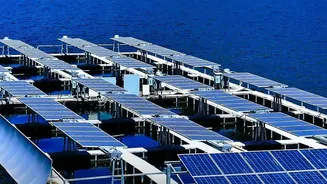
Recognising this critical challenge, India is taking steps to decongest its green energy highways. The primary initiative is the Green Energy Corridor (GEC), a massive project to build new transmission lines specifically for evacuating renewable power from energy-rich states to demand centres across the country. While the initial phases have faced delays, subsequent phases are being planned to handle even larger capacities. Alongside building more lines, another key solution is investing in energy storage. Large-scale battery energy storage systems (BESS) can absorb excess solar power during the day and release it during evening peak hours, smoothing out the supply and reducing strain on the grid. The government is actively promoting storage solutions, including a new scheme for floating solar projects paired with battery storage, to improve grid reliability.