


The Brilliant Betrayal of Moonlight
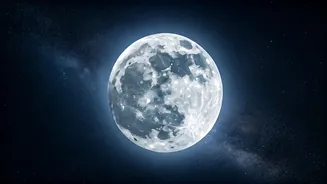
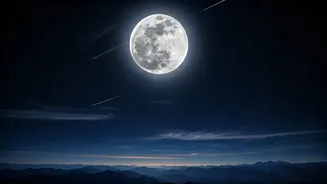
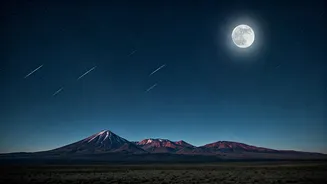
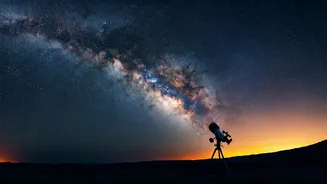
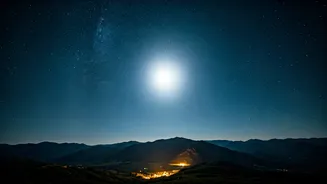
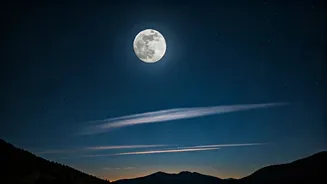
The full moon is a stunning sight, but for those hoping to see faint galaxies or the Milky Way, it can feel like a betrayal. The reason is simple: brightness. A full moon illuminates the atmosphere, creating a phenomenon called 'sky glow'. This natural
light pollution drastically reduces the contrast in the night sky, washing out dimmer objects entirely. On a truly dark, moonless night, you might see up to 3,000 stars with the naked eye; during a full moon, that number can plummet by 90% to around 300. Moonlight also hinders your eyes' ability to 'dark adapt,' the crucial process where your pupils widen to see faint light. It's like trying to spot a firefly while someone shines a torch in your direction.
Not All Moon Phases Are Spoilers
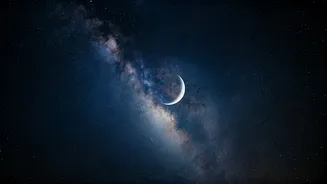
Here's the good news: the moon isn’t at maximum brightness all month. Understanding its 29.5-day cycle is the key to smart stargazing. The New Moon, when the moon is invisible in the sky, offers the absolute best and darkest conditions for viewing faint objects like nebulae and distant galaxies. The days surrounding the new moon are nearly as good. A Waxing or Waning Crescent (under 25% illumination) provides a beautiful sliver of light but sets or rises early, leaving you with hours of dark sky. Even a Quarter Moon (50% illuminated) is manageable. A first-quarter moon sets around midnight, opening the post-midnight hours for serious stargazing, while a third-quarter moon rises around midnight, leaving the evening sky dark.
What You Can Still See When It's Bright
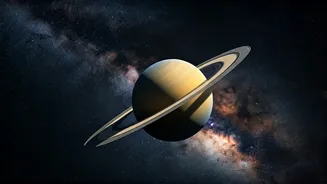
A bright moon doesn't mean you have to pack up your telescope. It’s the perfect time to shift your focus to objects that can compete with the glare. The brightest planets—Venus, Mars, Jupiter, and Saturn—are easily visible and can even appear more pronounced against a slightly lit sky. Bright star clusters, like the Pleiades, and prominent double stars also remain excellent targets. And of course, the moon itself becomes the main attraction. A full moon fully illuminates the lunar surface, making its seas and large craters visible. However, when using binoculars or a telescope, the moon's brightness can be uncomfortable. Many astronomers recommend using a moon filter to reduce the glare and enhance surface details, protecting your night vision.
Turn the Moon into the Main Event
Instead of fighting the moonlight, embrace it. A bright moon offers a fantastic opportunity to study our closest celestial neighbour in detail. With a pair of binoculars, you can explore the dark 'maria' (seas) and the bright, cratered highlands. A small telescope reveals intricate details like mountain ranges, valleys, and the impressive rays extending from craters like Tycho and Copernicus. This is also a great time for lunar photography. The challenges of a bright moon can force a different kind of observation, one focused on a single, dynamic object rather than the vastness of deep space. It’s a rewarding experience that many deep-sky purists often miss.
A Stargazer's Forecast for July 2026
Planning is everything. For July 2026, the key date for dark-sky viewing is the New Moon on July 14. This is the ideal time to hunt for faint galaxies and star clusters. On the nights of July 7-8, a waning moon will appear near Saturn, creating a beautiful pairing. On July 16 and 17, the thin waxing crescent moon will join Venus and the bright star Regulus in the west just after sunset. However, be aware of the Full Moon at the end of the month. The Delta Aquarid meteor shower peaks around July 28-29, but a nearly full moon will unfortunately wash out most of the fainter meteors this year. This makes early July and mid-July your prime windows for the best sky conditions.