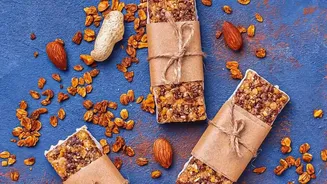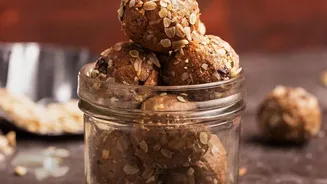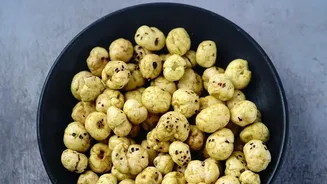


The Rise of the ‘Better-for-You’ Snack
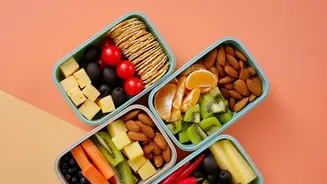
A few years ago, ‘healthy snacking’ was a niche urban concept. Today, it’s a powerful market force. A growing number of Indian consumers are now actively reading labels, looking for clean ingredients, and favouring options that are baked, not fried. This
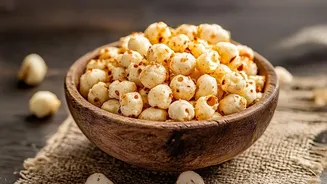
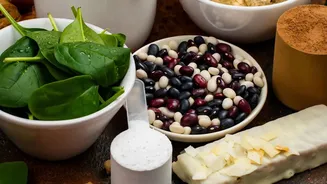
isn’t just about cutting calories; it's a move towards functional benefits. According to a recent consumer study, a staggering 72% of people seek functional benefits like energy and higher protein from their snacks. This has propelled protein from a gym-focused supplement to a mainstream feature in everything from biscuits to beverages. Brands are responding by launching products made with millets, oats, and seeds, catering to a population that is increasingly conscious of lifestyle diseases and overall wellness. The healthy snacks market in India, valued at over USD 3 billion in 2025, is projected to grow steadily as more consumers are willing to pay a premium for snacks that contribute to their well-being.
Convenience Is No Longer a Luxury
As urban lifestyles get busier, the demand for convenience has skyrocketed. The traditional structure of three meals a day is giving way to 'snackification', where smaller, frequent bites replace larger meals. This has created a massive opportunity for ready-to-eat and on-the-go formats. Single-serve packs, resealable pouches, and products that can be consumed quickly without preparation are gaining immense popularity. This trend is further amplified by the explosion of quick-commerce platforms. The ability to get a snack delivered in under 30 minutes has changed not just how people buy, but also how they discover new products. Smaller, direct-to-consumer (D2C) brands can now compete with established giants, making the digital shelf a highly contested space.
A Return to Regional Roots
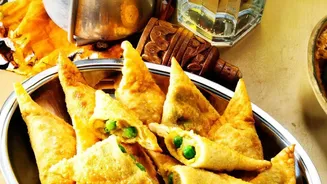
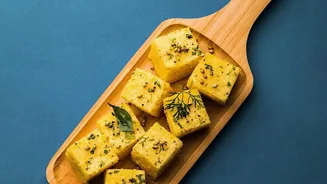
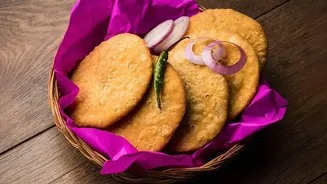
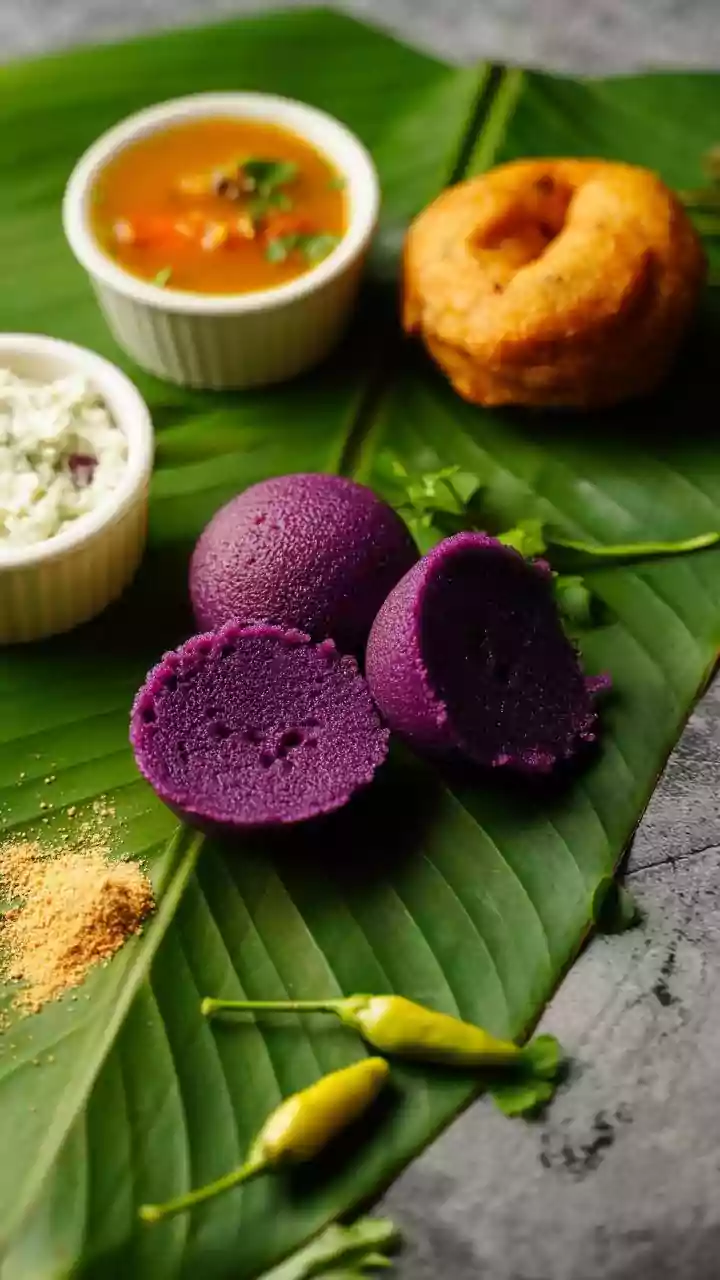
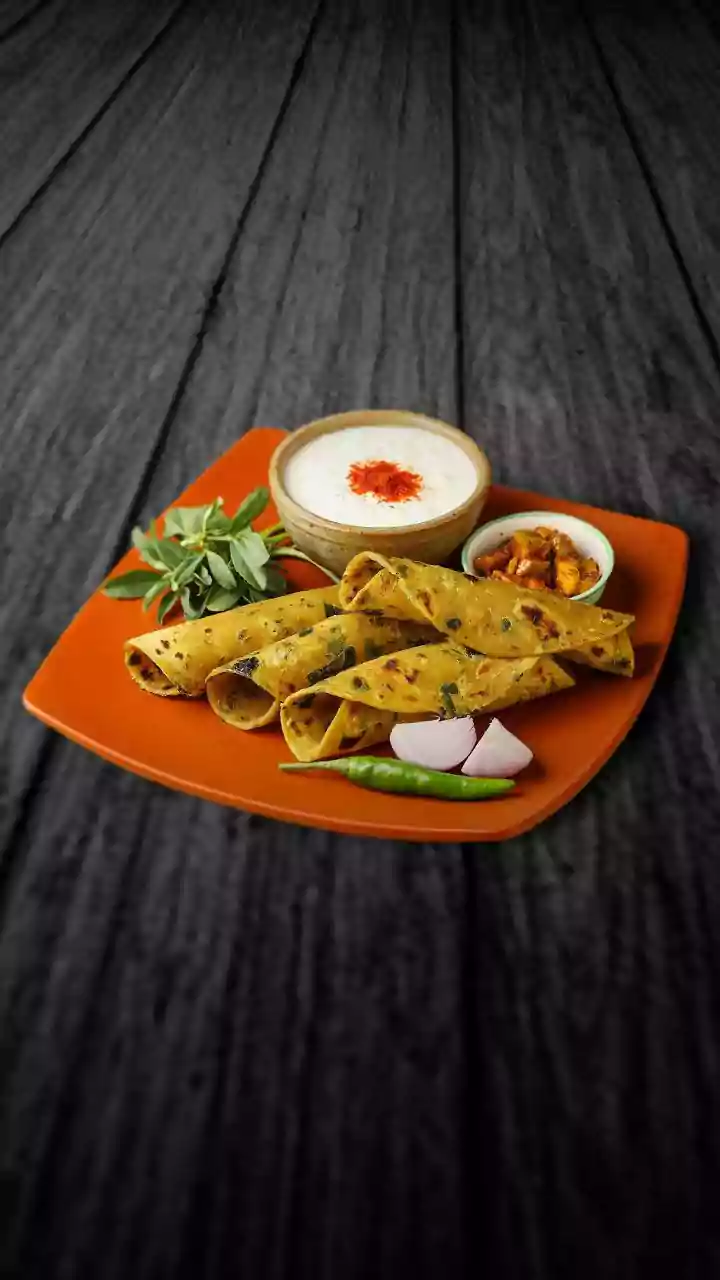
While health and convenience are global trends, the Indian consumer’s palate remains distinctly local. There is a powerful and growing demand for traditional, regional snacks in modern, hygienic packaging. Consumers want the authentic taste of a Gujarati farsan, a Maharashtrian chivda, or Kerala’s banana chips, but with the quality assurance of a trusted brand. This trend of 'newstalgia'—blending nostalgia with innovation—is prompting companies to launch products that spotlight regional specialities and familiar flavours. From Bikaneri bhujia to Surti locho, brands are finding that celebrating India’s diverse culinary heritage is a direct route to the consumer’s heart and shopping cart. This has also opened doors for regional players to scale nationally, making local flavours accessible to a wider audience.
The New Battlefield: D2C vs. Legacy Brands
The changing consumer preferences have created a fertile ground for a new wave of snack brands. Direct-to-consumer (D2C) startups are rapidly gaining market share by catering to specific needs that larger, legacy companies were slower to address. These agile brands focus on niches like vegan, gluten-free, or keto-friendly snacks, building a loyal following through targeted digital marketing. They excel at telling stories about their ingredients and 'clean-label' ethos, which resonates strongly with today's informed buyer. However, the path is not without challenges. The market is getting crowded, and achieving profitability is difficult due to high customer acquisition costs and intense competition on e-commerce and quick-commerce platforms. In response, large FMCG companies like ITC, Britannia, and Nestlé are either acquiring smaller brands or launching their own 'better-for-you' lines to stay relevant.