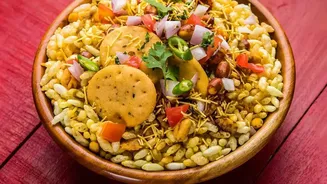




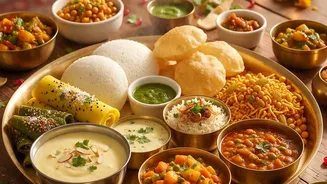
Craving a snack that's quick, crunchy, and bursting with flavour? Vegetable puffed rice bowls are the answer. This guide will walk you through creating this classic Indian treat, perfect for any time of day, right in your own kitchen.
The Allure of Puffed Rice
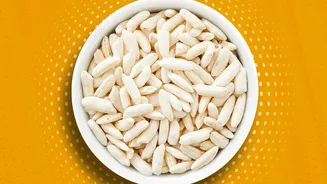
Puffed rice, known
as 'murmura' in India, is the heart of many beloved street food snacks. It is incredibly light, crispy, and serves as a perfect canvas for a multitude of flavours. From the famous Bhel Puri of Mumbai to Jhal Muri in Kolkata, this simple ingredient is transformed into a flavourful and satisfying dish. A vegetable puffed rice bowl is essentially a deconstructed version of these chaats, bringing together fresh vegetables, tangy chutneys, and crunchy additions for a snack that is both healthy and incredibly addictive. It is a low-calorie, no-cook or minimal-cook snack that you can whip up in minutes, making it ideal for sudden hunger pangs or a light evening meal.
Gathering Your Ingredients
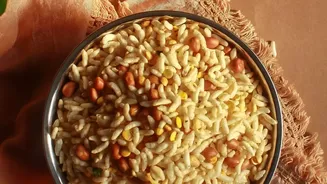
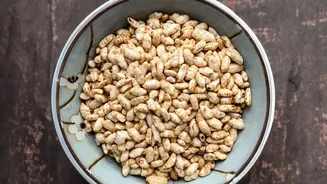
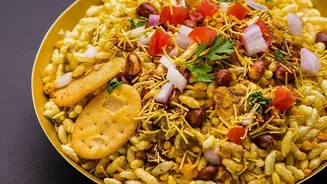
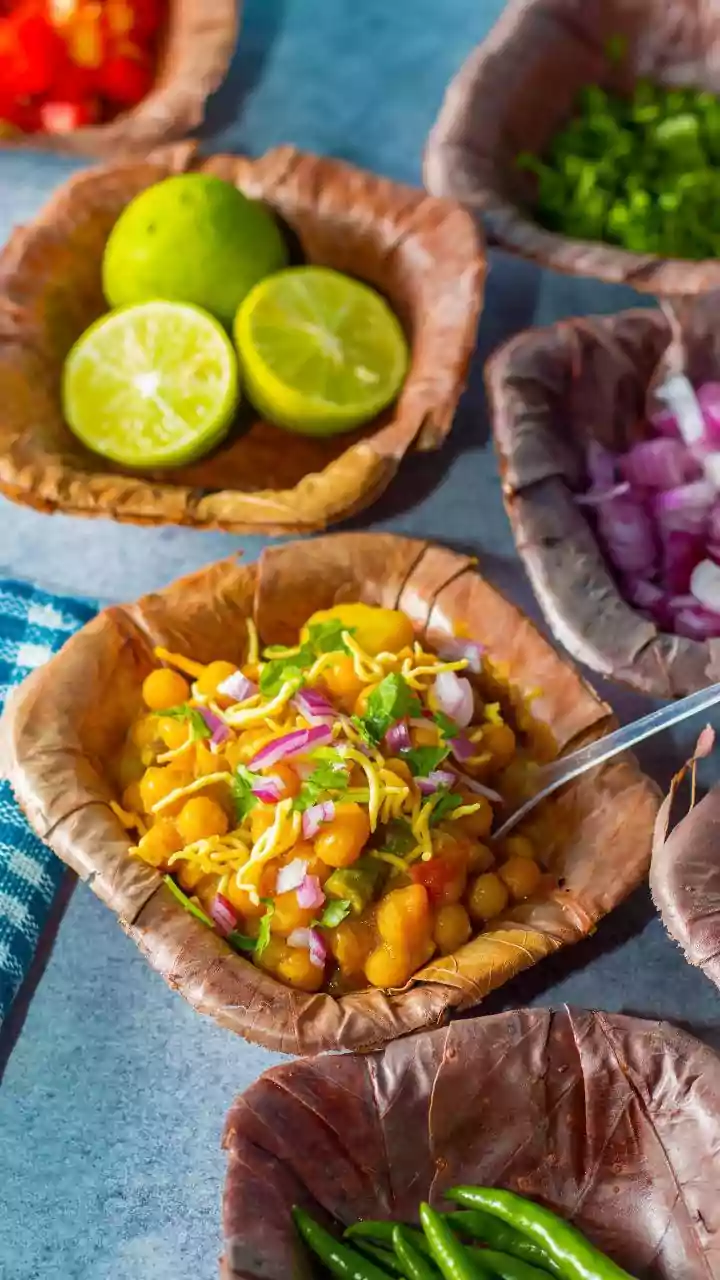
The beauty of a puffed rice bowl lies in its versatility, but a classic version starts with a few key components. You will need about three to four cups of plain, crisp puffed rice. For the fresh element, finely chop one medium onion, one tomato (deseeded to avoid sogginess), and one small boiled potato. Other great vegetable additions include grated carrots, finely chopped cucumber, and seasonal raw mango for a tangy kick. Essential for flavour are roasted peanuts, and for that signature crunch, some 'sev' (thin gram flour noodles) and crushed 'papdis' (crispy fried wafers). Finally, the soul of the dish: green chutney (coriander-mint) and sweet tamarind chutney, along with spices like chaat masala, red chilli powder, and a squeeze of fresh lemon juice.
The Core Recipe: A Step-by-Step Guide
Assembling your bowl is a quick affair that should always be done just before serving to preserve the crunch. Start by ensuring your puffed rice is perfectly crisp; if not, dry roast it in a pan on low heat for a few minutes until it crackles, then let it cool completely. In a large mixing bowl, combine the dry ingredients first: the puffed rice, roasted peanuts, sev, and crushed papdis. In a separate bowl, mix your chopped onion, tomato, boiled potato, and any other fresh vegetables. Now, it's time to bring it all together. Add the vegetable mix to the puffed rice. Drizzle with the green chutney and tamarind chutney—start with a small amount, as you can always add more. Sprinkle over the chaat masala, a pinch of red chilli powder, and salt. Toss everything gently but thoroughly to ensure the puffed rice is evenly coated. Finish with a generous squeeze of lemon juice and a garnish of fresh coriander leaves.
Creative Variations to Try
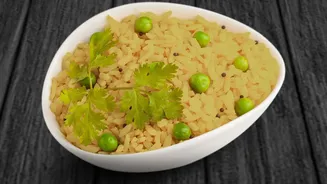
Once you master the basic recipe, the possibilities are endless. For a protein boost, add a handful of boiled chickpeas or sprouted moong beans. Pomegranate seeds can add a beautiful colour and a sweet, juicy pop to the mix. For a different flavour profile, consider adding a teaspoon of mustard oil, a common ingredient in Bengali Jhal Muri, for a pungent kick. You can also experiment with different crunchy toppings like boondi (small fried chickpea flour balls), roasted chana dal (split chickpeas), or even toasted coconut flakes. If you prefer a completely dry snack, you can make 'Sukha Bhel' by simply omitting the wet chutneys and relying on the spices and lemon juice for flavour.
Tips for the Perfect Crunch
The number one rule for a great puffed rice bowl is to avoid sogginess. Moisture is the enemy of crunch. Always mix the wet and dry ingredients at the very last moment, ideally when you are ready to eat. Use thick chutneys rather than runny ones, as they will coat the ingredients without making them wet too quickly. When preparing your vegetables, especially tomatoes and cucumbers, make sure to deseed them to reduce their water content. If using boiled potatoes or sprouts, ensure they are completely drained and dry before adding them to the bowl. Storing your dry ingredients like puffed rice and sev in an airtight container is also crucial to maintain their crispness for future use.