







Jamun (Indian Blackberry)
This deep purple fruit is a classic monsoon treat for a reason. Jamun is rich in dietary fibre, which helps regulate bowel movements and can prevent constipation. It also possesses natural astringent properties, which can help soothe the digestive tract
and reduce symptoms associated with an upset stomach. Traditionally used in Ayurvedic medicine, Jamun aids digestion by stimulating the secretion of digestive enzymes, which improves how your body breaks down and absorbs food. Its anti-inflammatory qualities further contribute to a calm and healthy gut.
Pomegranate (Anaar)
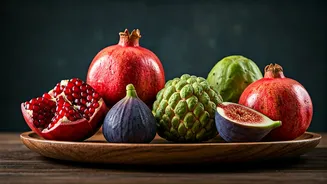
Pomegranates are a powerhouse of nutrients beneficial for digestive wellness. The arils (seeds) are packed with fibre, an essential component for preventing constipation and maintaining a healthy digestive system. Beyond just fibre, pomegranates have prebiotic effects. This means they feed the good bacteria in your gut, such as Lactobacillus and Bifidobacterium, helping to foster a balanced microbiome. The compounds in pomegranates can also help reduce inflammation in the gut and strengthen the integrity of the gut lining, offering further protection.
Plums (Aloo Bukhara)
Sweet, tart, and juicy, plums are another excellent choice for digestive health during the monsoon. They are a great source of both soluble and insoluble dietary fibre. This combination helps keep your digestive system moving smoothly, adds bulk to stool, and can offer relief from constipation. Plums also contain sorbitol, a natural sugar alcohol that has a mild laxative effect, further aiding bowel regularity. The fibre in plums also acts as a prebiotic, feeding beneficial gut bacteria.
Peaches (Aadu)
This fuzzy stone fruit, available during the monsoon season in India, is more than just a sweet delight. Peaches are a solid source of dietary fibre, which is crucial for preventing constipation and promoting regular bowel movements. A healthy intake of fibre contributes to a well-functioning digestive system and can help you feel full, which supports weight management. Containing both soluble and insoluble fibre, peaches help control blood sugar levels and reduce issues like constipation. As they are also high in water content, they aid in hydration, which is also important for smooth digestion.
Cherries
Cherries are packed with nutrients that support a healthy gut. They provide a good amount of fibre, which is essential for maintaining digestive regularity and preventing constipation. Research suggests that the polyphenols in cherries, particularly tart cherries, can have a positive impact on the gut microbiome. These compounds, along with the fibre, can help create a calmer digestive environment by supporting a healthy inflammatory response in the gut, potentially reducing discomfort like bloating.
Litchi
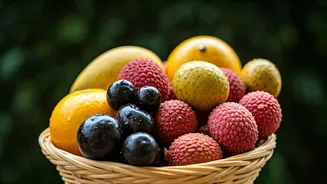
Litchi is not only a refreshing and hydrating fruit but also a friend to your digestive system. It is loaded with dietary fibres that help regulate bowel movements and ensure a smooth passage through the digestive tract. This can be particularly effective for easing constipation and other common stomach issues. Litchi also stimulates gastric and digestive juices, which promotes more efficient nutrient absorption from the food you eat. Its high water content further supports a healthy and functional digestive process.