






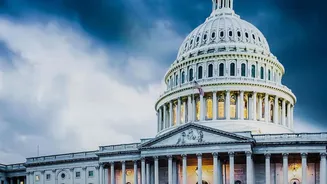

The results of the 2026 US midterm elections are in, delivering a decisive victory for the Democratic party in both the House and Senate. This sets the stage for a divided government and a series of high-stakes fiscal showdowns in 2027.
A New Power Dynamic in Washington
American voters
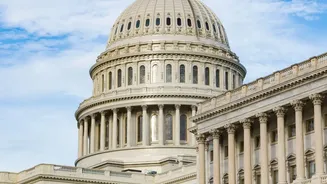
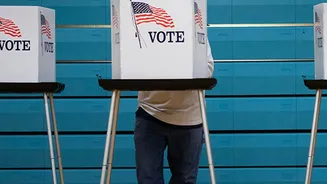
delivered a resounding victory for Democrats in the midterm elections, granting them control of both the House of Representatives and the Senate. This outcome, seen by many analysts as a rebuke of the Trump administration's policies, particularly regarding the conflict with Iran and domestic economic anxieties, fundamentally reshapes the balance of power. With Democrats now chairing key committees and controlling the legislative agenda, the stage is set for significant political friction with the Republican White House, a classic 'divided government' scenario. While stock markets initially rallied on the certainty of the result and the prospect of legislative gridlock preventing excessive spending, this new dynamic creates major question marks for the year ahead.
The Debt Ceiling Looms Large
The most significant risk on the horizon is the US debt ceiling, the legal limit on how much money the government can borrow to pay its existing bills. The US Treasury is expected to hit its current $41.1 trillion limit sometime in 2027. After that, the government can use 'extraordinary measures' to keep paying its obligations, but this only buys a few months of time before the so-called 'X-date'—the day the US could default on its debt. A default would be an unprecedented economic catastrophe, and even coming close can rattle global financial markets. With Democrats now controlling Congress, they are expected to use the must-pass debt ceiling legislation as leverage to negotiate policy concessions from the White House, potentially related to healthcare or social spending.
Brinkmanship and Budget Battles
Beyond the debt ceiling, routine government funding will become another major flashpoint. The federal fiscal year ends on September 30, and if Congress and the President cannot agree on new spending bills, it could trigger a government shutdown. A Democratic-led Congress is likely to have very different spending priorities than the Republican administration, particularly concerning defense spending, environmental policy, and social programs. Analysts predict a higher risk of fiscal brinkmanship, where both sides take negotiations to the wire. These standoffs create significant uncertainty for markets and can disrupt economic activity. While some analysts believe compromises will be found—for example, increased defense funds for Republicans in exchange for more non-defense spending for Democrats—the path to get there is expected to be volatile.
Global Markets on High Alert
For international investors and markets, this political setup in Washington warrants close attention. The prospect of legislative gridlock is a double edged sword. On one hand, it reduces the likelihood of radical policy shifts, which markets generally appreciate. On the other, it dramatically increases the risk of a fiscal crisis stemming from a debt ceiling standoff or government shutdown. Such a crisis could cause a flight from the US dollar, spike borrowing costs globally, and damage investor confidence. The initial market reaction saw the US dollar weaken and government bond yields fall, as investors priced in less fiscal stimulus and more political friction. However, as the 2027 deadlines approach, volatility is expected to rise. Markets will be closely watching for any signs that political posturing could spiral into a genuine economic threat.