




The Rise of the Rainy Retreat
For years, the Indian travel calendar has been predictable: avoid hill stations during the monsoon. The logic was simple—rain means landslides, washed-out roads, and being stuck indoors. But in Kodagu, the district popularly known as Coorg, that logic is being beautifully
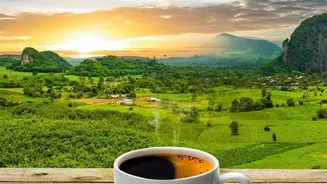
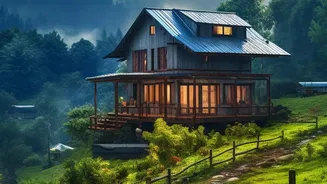
overturned. A growing number of travellers are not just tolerating the rain but actively seeking it. They are trading crowded peak-season weekends for the quiet, introspective calm of the monsoon. This shift is largely driven by a desire to escape the frantic pace of urban life and the pressures of conventional, checklist-driven tourism. Instead of ticking off viewpoints, they are coming to listen to the rain drum against the roof of a sprawling estate bungalow, a cup of locally grown coffee in hand.
Meet the Slow Traveller
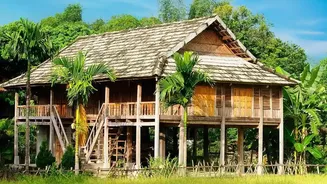
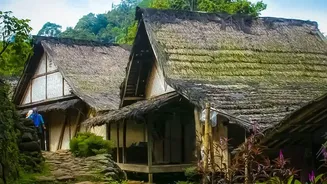
This trend is powered by the 'slow traveller'. Unlike tourists rushing to cover as many sights as possible, slow travellers aim to connect with a place on a deeper level. They prioritise experience over itineraries. For them, a holiday isn't about what they did, but how they felt. They prefer staying in one place for longer, immersing themselves in local life, and embracing a more leisurely pace. Coorg's plantation homestays are the perfect setting for this philosophy. These aren't just hotels; they are often ancestral homes set within working coffee and spice estates, run by families who have lived there for generations. This provides an authentic connection to the land and its culture that a standard resort cannot offer.
Coorg: A Monsoon Paradise
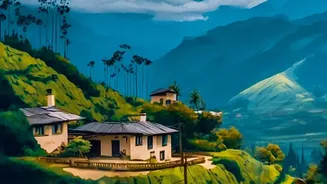
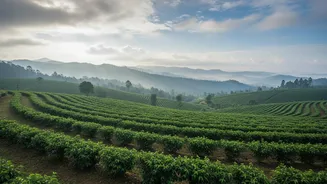
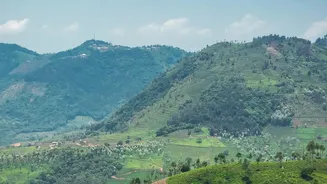
While many destinations shut down in the rain, Coorg comes alive. The monsoon, typically from June to September, transforms the 'Scotland of India' into a realm of surreal beauty. The hills are draped in countless shades of green, waterfalls like Abbey and Iruppu cascade with renewed force, and a perpetual mist lends a romantic, almost mystical, air to the landscape. The air is thick with the scent of wet earth, blooming coffee flowers, and spices. Walking through a coffee estate during a drizzle, with rain-washed leaves glistening and the forest floor alive with sounds, is an experience that engages all the senses. It’s a quiet spectacle that rewards those willing to embrace the season.
More Than a Room: The Homestay Experience
What plantation owners are reporting is a demand for immersive experiences. Guests are no longer content with just a comfortable room. They want to participate in guided plantation walks to understand the journey of coffee from bean to cup. They are eager to sample authentic Kodava cuisine, often cooked by the hosts themselves using family recipes and local ingredients. Evenings are spent not in front of a television, but on a covered veranda, reading a book, engaging in quiet conversation, or simply watching the clouds drift across the misty valleys. This shift benefits the local economy by creating a more sustainable, year-round tourism model, reducing the reliance on a few frantic peak months.
Planning Your Serene Escape
While the idea is romantic, a monsoon trip to Coorg requires some practical planning. It is crucial to choose a well-established and registered homestay, as accessibility can be a concern on more remote estates during heavy showers. While main roads are generally kept open, some interior trails may be temporarily closed. Packing should include waterproof jackets, sturdy footwear suitable for walking on wet ground, and an acceptance that some plans might have to change. But for the slow traveller, that's precisely the point. The goal isn't to conquer the destination, but to let the destination, in all its rainy glory, set the pace.