




More Than Just a Race
For outsiders, Vallam Kali, the snake boat race, is a thrilling water sport, a highlight of the monsoon season. But for the communities lining the Pamba River and Punnamada Lake, the race is merely the final act. The real story unfolds in the weeks leading
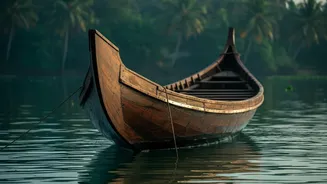
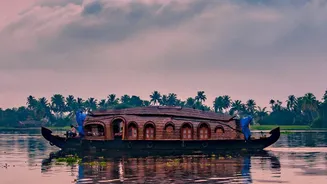
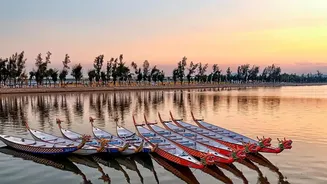
up to it, a period of intense preparation that is as much about reinforcing social ties as it is about gaining a competitive edge. The Chundan Vallam, or snake boat, is the centrepiece of this tradition. These magnificent boats, often owned by a whole village or temple, are considered living entities, each with its own history and spirit. Their preparation is a sacred duty that galvanizes everyone, erasing social barriers and uniting residents in a common purpose.
The Awakening of the Serpent
The process begins when the snake boat is brought out from its resting place, where it has been sheltered for the year. This is a moment of great reverence. A master carpenter, or ‘ashari’, inspects the long hull, which is often crafted from water-resistant anjili wood. Any repairs are undertaken with meticulous care, following ancient shipbuilding principles passed down through generations. Villagers gather to clean and polish the boat, a communal effort that marks the official start of the season. Before anyone steps inside, rituals are performed to bless the vessel. Men must enter barefoot, a sign of respect for the boat they consider sacred.
A Sacred Anointing for Speed
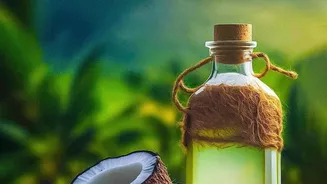
One of the most crucial rituals is the anointing of the hull. This is not a simple coat of paint. A special concoction is prepared, traditionally a mixture of fish oil, ash from coconut shells, and eggs. This paste is painstakingly applied by hand over the entire length of the boat. The process serves a dual purpose. Practically, the oil makes the wood water-repellent and lubricates the surface, allowing it to glide through the water with minimal friction. Symbolically, it is seen as giving life and energy to the boat, preparing it for the immense physical demands of the race. This collective act of coating the hull binds the community to the vessel, their hands literally shaping its destiny.
The Heartbeat of Unity: Vanchipattu
As physical preparations intensify, so does the training of the oarsmen. Central to this is the ‘Vanchipattu’, or boat song. These are not just motivational chants; they are rhythmic poems that dictate the pace and synchronicity of the rowing. A lead singer, positioned in the middle of the boat, sings verses that the hundred-plus rowers respond to, their oar strokes falling in perfect unison with the beat. The songs often tell tales of local legends or deities, embedding cultural history into every practice session. This shared rhythm transforms over a hundred individuals into a single, cohesive unit, a powerful metaphor for the village itself. It is a discipline that turns the boat into a living, breathing creature powered by a collective heartbeat.
A Feast to Fuel the Community
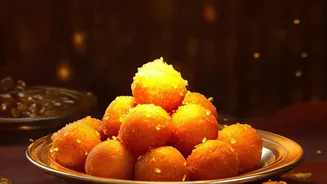
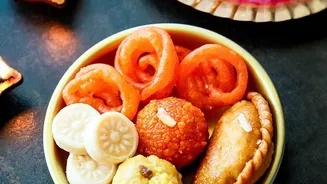
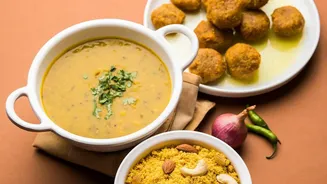
The spirit of unity finds its most nourishing expression in the ‘Vallasadya’, a grand vegetarian feast offered to the rowers and the wider community. Particularly associated with the Aranmula boat race, this ritual involves serving dozens of traditional dishes on a banana leaf. Devotees and villagers sponsor these feasts as an offering, reinforcing their support for the team. The Vallasadya is more than just a meal; it's a powerful social adhesive. It brings together people from all walks of life to cook, serve, and eat, fostering a sense of shared responsibility and celebration. The act of feeding the rowers is seen as feeding the collective strength of the village, ensuring they have the stamina and morale for the gruelling race ahead.