







From Discovery to Decision
Not long ago, finding a new restaurant was an act of discovery, relying on word-of-mouth or newspaper listings. Today, the entire journey from initial craving to final payment is managed within a single app. Food-tech giants like Zomato and Swiggy have
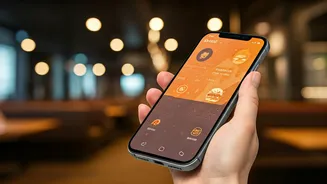
transformed from simple directories into comprehensive dining platforms. They are no longer just menus; they are the primary gatekeepers to the urban culinary experience. Customers now use these apps for everything: discovering new eateries through curated lists, reading reviews, viewing photos, booking tables for dine-in, and, of course, ordering for delivery. This consolidation of services means the app is often the first and only point of contact between a diner and a restaurant, fundamentally changing consumer behaviour. The power has shifted from the physical storefront to the digital screen.
The Restaurant's Digital Dilemma
For restaurants, partnering with these platforms is a double-edged sword. On one hand, they offer unparalleled reach, connecting small eateries in a crowded market to millions of potential customers without needing a massive marketing budget. This is especially true in Tier-2 and Tier-3 cities, where some restaurants report that apps drive up to 90% of their sales. However, this visibility comes at a steep price. Aggregators charge high commission fees, typically ranging from 15% to as high as 40% after factoring in marketing and other charges. This drastically squeezes profit margins, forcing many establishments into a high-volume, low-margin model that can be financially unsustainable. Many restaurant owners feel they have lost control over their brand identity and the direct relationship with their customers, becoming dependent on the platform's algorithms for visibility.
The Rise of the Cloud Kitchen
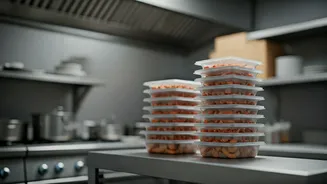
Perhaps the most significant consequence of the app-first era is the explosion of cloud kitchens—also known as ghost or dark kitchens. These are delivery-only restaurants with no physical dining space, designed from the ground up to serve the online ordering market. By shedding the enormous costs of prime real estate, waitstaff, and front-of-house operations, cloud kitchens can operate with much lower overheads. This model allows for rapid expansion and experimentation with different brands and cuisines from a single kitchen facility. The Indian cloud kitchen market was valued at over USD 1.2 billion in 2025 and is projected to grow significantly, driven by the dominance of food delivery platforms. This trend is reshaping the urban landscape, with culinary businesses now thriving in industrial areas, far from the high-street locations once considered essential.
Beyond Delivery: The App as an Operating System
The influence of these apps now extends far beyond food delivery. They are evolving into all-in-one operating systems for the entire dining experience. Zomato and Swiggy are now major players in the dine-out segment, offering table reservations and exclusive discounts to drive footfall to partner restaurants. Furthermore, loyalty programs are increasingly app-based. Instead of a physical punch card, customers earn points and rewards through platforms like Swiggy Dineout, Paytm, or integrated POS systems, encouraging repeat business within the app's ecosystem. Some platforms are also integrating vertically. Zomato's Hyperpure, for example, supplies fresh ingredients directly to its restaurant partners, embedding itself into their core supply chain. This deep integration makes the app an indispensable, albeit costly, partner.
What's Next on the Menu?
The fusion of technology and food is only set to deepen. Artificial intelligence is no longer a futuristic concept but a present-day reality. AI is being used for everything from demand forecasting and inventory management to powering voice-based ordering in multiple Indian languages. Many platforms are leveraging AI to offer personalised recommendations based on a user's order history and preferences. Some restaurants are even experimenting with direct ordering channels via WhatsApp to bypass aggregator commissions and own the customer relationship. As technology continues to evolve, the line between a tech company and a food business will blur even further, promising more efficiency for businesses and greater convenience for consumers, but also raising new questions about the future of the traditional restaurant experience.