



A Plateful of the Past
There's a powerful current of nostalgia flowing through India's dining scene. Chefs are increasingly looking backward to move forward, understanding that a familiar flavour can be the most potent ingredient of all. This isn't just about recreating old
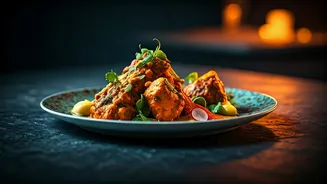
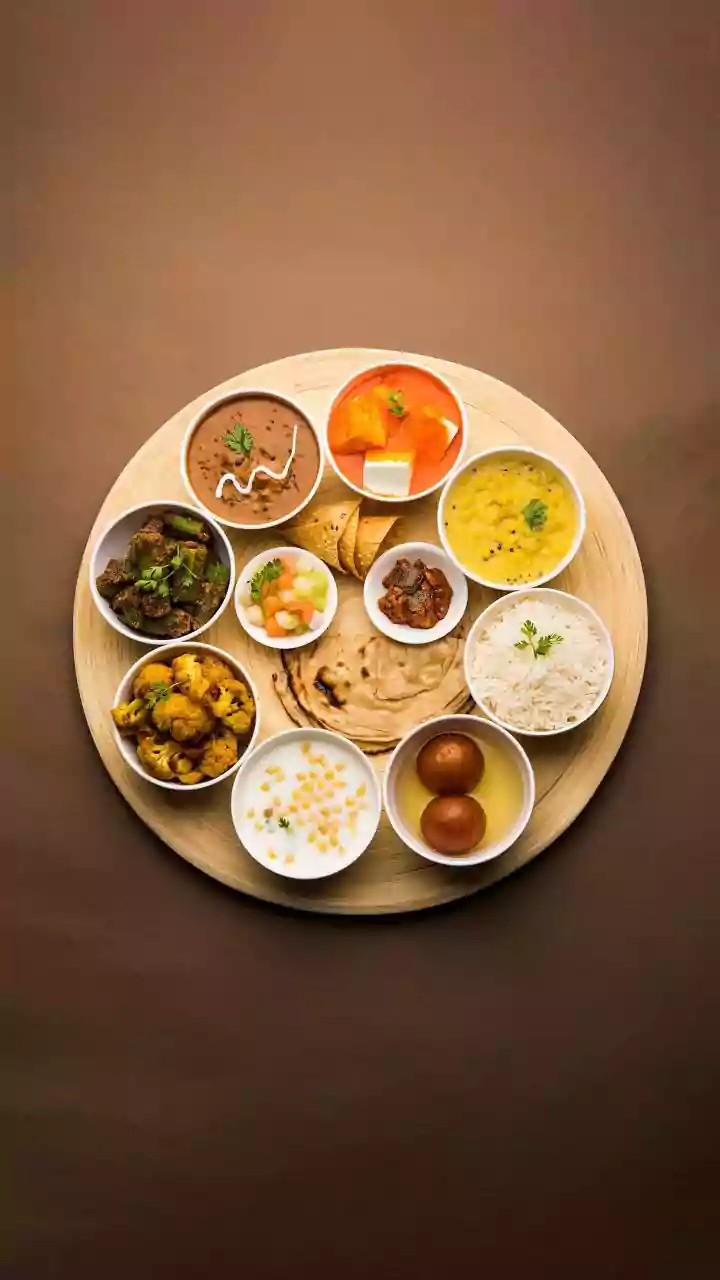
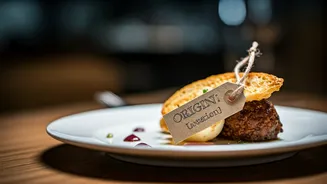
dishes; it's about reinterpreting them with modern techniques while preserving their soulful essence. Psychologists call it "food nostalgia," where a specific taste or aroma can trigger vivid emotional memories. For many, a simple flavour can provide a sense of comfort and familiarity that more complex or foreign dishes cannot. Responding to this, chefs are proudly showcasing the foods they grew up with. This might manifest as a deconstructed version of a childhood classic, like a butter naan souffle that evokes memories of eating butter chicken at Moti Mahal, or a modern take on a simple aloo tamatar sabzi. By tapping into these shared culinary memories, restaurants are creating a deeper, more emotional connection with their patrons, offering not just a meal, but a comforting story on a plate.
The Rise of Hyper-Regionality
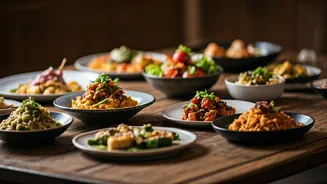
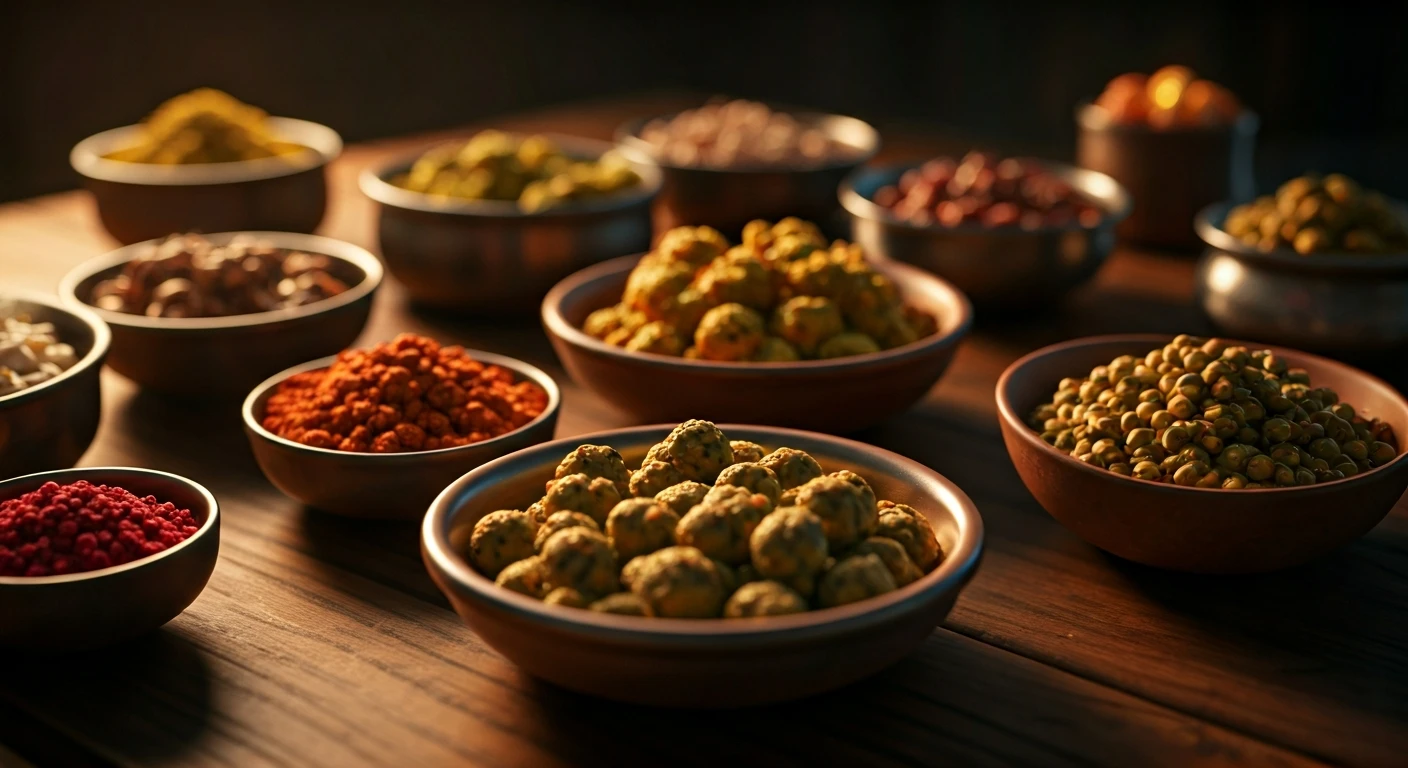
For decades, Indian restaurant menus in major cities were predictably uniform, dominated by a handful of popular dishes like butter chicken and biryani. Today, that is rapidly changing. A movement toward hyper-regional cuisine is redefining the landscape, moving beyond broad labels like "North Indian" or "South Indian" to celebrate the distinct culinary traditions of smaller regions, communities, and even villages. Diners are showing a sharp curiosity for this diversity, eager to explore flavours beyond the mainstream. This shift is driven by a desire for authenticity and new experiences, with one survey indicating that nearly 38% of diners are actively seeking out regional foods. Chefs are acting as culinary archivists, resurrecting forgotten recipes and showcasing the immense diversity of India's food traditions. Menus now feature dishes like Kodava cuisine from Karnataka, Angami Naga specialities, or the royal recipes from Murshidabad in West Bengal, each telling a unique story of its origin.
Why This, Why Now?
Several factors are fuelling this culinary shift. The pandemic played a significant role, with extended lockdowns turning many people's focus back to the home kitchen and a rediscovery of family recipes and culinary roots. This has been amplified by social media, where food bloggers and home chefs have given a national platform to lesser-known regional dishes, sparking widespread curiosity. There's also a growing sense of cultural pride and a conscious move away from globalised, homogenous food experiences. Today's diners are more informed and adventurous, seeking meals that tell a story and connect them to a specific place and culture. They are curious about where their food comes from, the communities behind the recipes, and the traditions they represent. This trend is not just about nostalgia; it’s a cultural movement celebrating India's incredible diversity, one plate at a time.
Chefs as Culinary Storytellers
Across the country, chefs are leading this charge, becoming storytellers who weave together heritage and innovation. In Mumbai, Chef Anahita Dhondy has championed the food of the Parsi community, while Chef Niyati Rao of Ekaa takes diners on a journey through India's regional flavours with inventive dishes like a tapioca chaat. In Goa, Chef Avinash Martins' restaurant, Cavatina, features a "Postcards of Goa" menu that revives lost recipes and tells the stories of the local community. Meanwhile, other chefs are delving into the rural traditions of Uttar Pradesh or reimagining Kerala's coastal delicacies with modern twists. This movement isn't confined to India; chefs like Vikas Khanna are earning international acclaim for menus that blend nostalgic touches with authentic Indian cuisine for a global audience. By resurrecting forgotten recipes and celebrating local ingredients, these chefs are reshaping both the domestic and global perception of what Indian food can be.