





An Unlikely Culinary Marriage
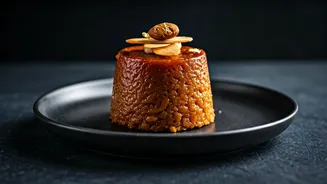
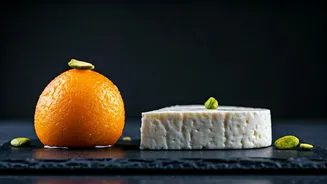
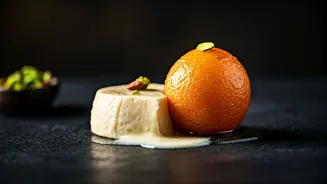
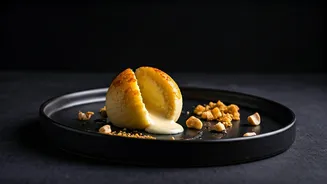
Imagine the scene: soft, spongy balls of chhena soaked in syrup, traditionally a beloved sweet, are arranged in a baking dish. But instead of a simple garnish, they are covered with a layer of cheese and then baked until golden and bubbly. This is the essence
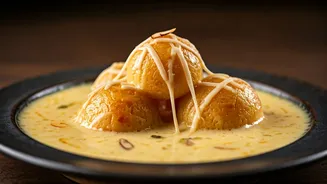
of the viral baked rasgulla and cheese. While baked rasgulla—a dish where the sweet is baked in thickened milk or rabdi until caramelized—has been a popular fusion dessert in Bengal for years, the addition of savoury cheese is a recent and far more polarizing twist. The classic baked version is celebrated for its creamy, rich texture, but this new iteration pushes the boundaries of sweet-and-salty combinations into uncharted territory.
Why Is the Internet So Obsessed?
Like many viral food trends, the buzz around baked rasgulla and cheese is fuelled by a mix of curiosity, shock, and the irresistible urge to have an opinion. Social media platforms thrive on novelty, and a dish that combines two dramatically different food items is guaranteed to grab attention. The visual of melted cheese over a classic Indian mithai is inherently shareable, prompting reactions that range from intrigued foodies to horrified purists. This isn't the first time a beloved Indian food has been given a bizarre twist; the internet has seen everything from chocolate biryani to noodle samosas and rasgulla chaat. Each creation sparks a debate, driving engagement and creating a cultural moment around what is often dubbed 'fusion confusion.'
The Psychology of a Viral Dish
There's a reason we can't look away from these culinary experiments. Psychologists suggest that viral trends tap into our natural curiosity and a desire for new experiences. The 'fear of missing out' (FOMO) is a powerful motivator; when influencers and friends share their attempts, others feel a social pull to join in. For many, trying a viral recipe is a form of self-expression and a way to participate in a shared cultural conversation. These dishes aren't just about taste; they're about identity, community, and the thrill of participating in something new and talked-about. The wilder the combination, the stronger the urge to see what all the fuss is about.
But Does It Actually Taste Good?
This is the million-rupee question. The logic behind the dish hinges on the classic pairing of sweet and salty. Proponents argue that the unsweetened chhena base of the rasgulla is similar to a neutral paneer or ricotta, making it a viable canvas for savoury flavours. Some who have tried it compare it to a malai kofta-style dish, where the sweetness is balanced by the savoury gravy and cheese. However, critics find the combination jarring, arguing that the sugary syrup clashes with the umami of the cheese. The final verdict seems to be intensely personal. For some, it's an adventurous and surprisingly tasty dish. For others, it's a step too far, an experiment that disrespects the integrity of a classic sweet.