



The Monsoon Menace: Understanding Root Rot
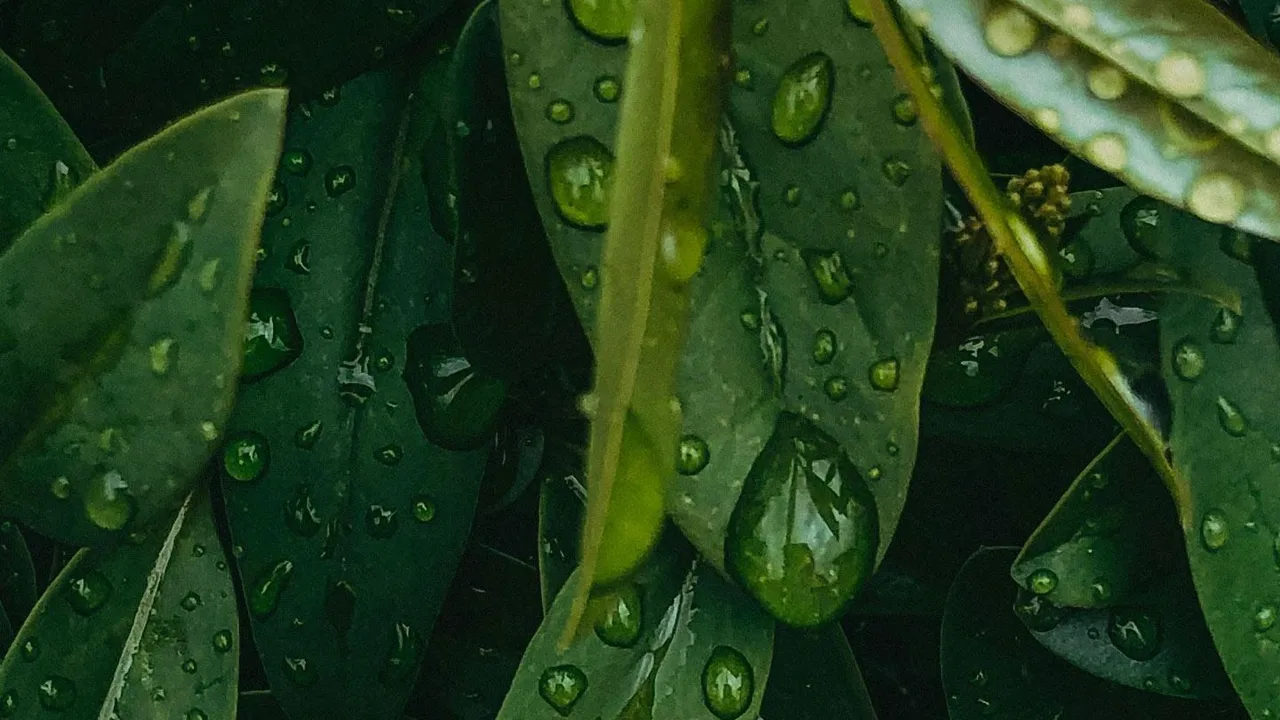
The Indian monsoon is a welcome respite from the summer heat, but it can be a challenging time for potted plants. The primary danger is overwatering, not from your watering can, but from relentless rain. When soil becomes waterlogged for extended periods,
roots are deprived of oxygen and begin to decay. This condition is known as root rot. Symptoms often start below the surface but soon manifest as yellowing or wilting leaves, stunted growth, and a foul, musty smell from the soil. Healthy roots should be firm and white or light tan; rotting roots become dark, mushy, and soft to the touch.
Decoding 'Modular Waterproofing Cover Systems'
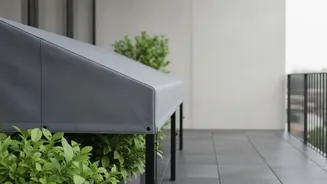
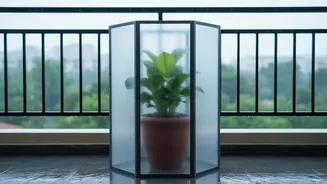
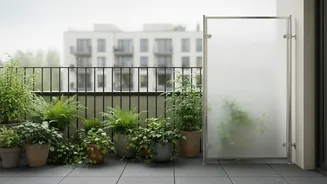
The term might sound technical, but the concept is simple. A modular waterproofing cover system is an adaptable, easy-to-assemble shield for your plants against heavy rain. Unlike a cumbersome, single-piece tarp, a modular system consists of individual components or sections that you can arrange, add to, or remove as needed. Think of it as building blocks for plant protection. These systems can range from commercially available kits with frames and waterproof fabric to DIY setups. The 'modular' aspect gives you the flexibility to cover a single sensitive plant or an entire row of pots, adjusting the coverage based on the weather and your balcony's layout.
The Key Benefits of Going Modular
Why choose a modular approach over a simple plastic sheet? The primary advantage is flexibility. You can deploy the covers only during heavy downpours and easily remove them to let the sunshine in, preventing the greenhouse effect that can cook plants under a sealed plastic cover. They are also scalable; you can start with a small setup and expand it as your plant collection grows. Another benefit is better air circulation. Well-designed modular covers protect from rain while still allowing air to flow, reducing the risk of fungal diseases that thrive in stagnant, humid conditions. They are also easier to store in compact urban homes during the off-season compared to bulky, rigid structures.
DIY Solutions: Create Your Own Plant Shield
You don’t need to buy an expensive kit to protect your plants. With a little creativity, you can build your own effective, modular rain cover. One popular DIY method involves using a simple frame made from PVC pipes or bamboo stakes. You can then stretch a waterproof material like a clear shower curtain, thick painter's plastic, or a lightweight tarp over this frame. The key is to make it stable enough to withstand monsoon winds but light enough to move easily. Ensure you create a slight slope so that water runs off instead of pooling on top. You can secure the cover to your balcony railings with zip ties or strong twine, but always ensure it can be removed quickly.
Best Practices for Using Rain Covers
Merely covering your plants isn't enough; you must do it correctly. First, ensure your pots have excellent drainage to begin with by checking that drainage holes are clear and elevating pots on bricks or stands. When using a cover, never seal it completely. Leave gaps for air to circulate to prevent humidity build-up and fungal growth. Remove the covers as soon as the heavy rain subsides to allow your plants to breathe and receive sunlight. It’s also crucial to monitor the soil moisture. Even with a cover, ambient humidity is high, so only water your plants when the top inch or two of soil feels dry to the touch.