




The Pre-Trip Homework: Research Is Your Best Friend
Before you even book a hotel, your planning should begin with diligent research. The mountains are unpredictable during the monsoon, and conditions can change in a matter of hours. Start by closely monitoring weather forecasts from the India Meteorological
Department (IMD). Pay special attention to their colour-coded alerts: a 'Yellow' alert is a sign to be aware, while an 'Orange' or 'Red' alert for your destination should prompt you to seriously reconsider or postpone your trip. Beyond general forecasts, look for specific advisories on landslides, flash floods, and road closures issued by the National and State Disaster Management Authorities (NDMA/SDMA). Checking local news outlets and official social media handles for the police and district administration in your destination area can provide real-time updates on road conditions and potential hazards.
On The Road: Navigating Transit Risks
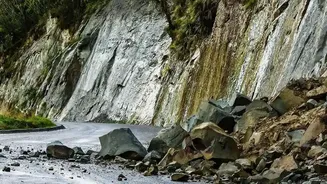
How you get there matters as much as where you're going. Driving in the hills during monsoon requires extreme caution. Roads become slippery, visibility is often poor due to fog and rain, and the risk of falling rocks is constant. If you are driving, ensure your vehicle is in top condition—especially tyres, brakes, wipers, and headlights. It is strongly advised to avoid driving at night. Darkness conceals potholes, debris, and fresh landslips that are more visible during the day. Plan your journey to have buffer time, as unexpected road blockages from landslides are common and can lead to long delays. Consider hiring a local driver who is experienced with the terrain and current conditions. They are often aware of which routes are safe and which to avoid.
Choosing Your Stay: Location Is Everything
Not all hotels and homestays are created equal, especially during the monsoon. The location of your accommodation is a critical safety factor. Avoid properties built on steep, unstable slopes or too close to riverbanks and streams, as these are highly vulnerable to landslides and flash floods. Before booking, read recent reviews with a focus on monsoon experiences. Look for mentions of power backups, road accessibility during rain, and the structural integrity of the property. Elevated locations are generally safer from flooding. A well-chosen resort might also have indoor amenities like a spa or game room, which can be a blessing if heavy rain keeps you indoors. Call the hotel directly before your trip to ask about the current local conditions and accessibility.
Packing Smart: Your Monsoon Essential Kit
Your packing list needs a few monsoon-specific additions. Beyond regular clothing, focus on practical items that will keep you safe and comfortable. A good quality raincoat or poncho is more effective than an umbrella against windy mountain showers. Pack waterproof or quick-drying footwear with a strong grip to navigate slippery paths. Since power cuts and network issues are common, a fully charged power bank is non-negotiable. Your essential kit should also include a basic first-aid box with medicines for common ailments like cold, flu, and stomach issues, along with antiseptic wipes and bandages. Pack clothes that dry quickly; synthetic fabrics are often better than cotton. It's also wise to keep important documents, cash, and electronics in waterproof zip-lock bags.
During Your Trip: Staying Alert and Flexible
Once you've reached your destination, remain vigilant. The most important rule is to respect the weather and local advice. Avoid trekking or sightseeing near rivers and waterfalls, as water levels can rise dangerously fast. Don't blindly trust a GPS; if a road looks unsafe or locals advise against it, turn back. Keep your itinerary flexible. A rigid plan can lead you to take unnecessary risks if the weather turns bad. Always keep your family or friends informed of your whereabouts, especially when travelling to areas with patchy mobile networks. Keep emergency contact numbers—like the local police, district disaster management office (often 1077), and your hotel—saved and easily accessible. If authorities issue an evacuation warning, follow their instructions without delay.