








The Unspoken Agony of Wet Denim
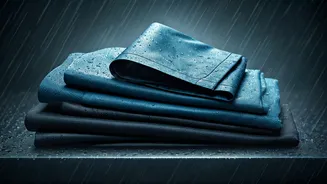
There are few discomforts as specific and prolonged as wearing wet denim. It starts with the sheer weight. Cotton, the fibre that makes denim, is hydrophilic, meaning it loves water. [3, 17] It can absorb a significant amount of moisture, making your
jeans feel like they’ve doubled in weight. [8] Then comes the cold, clammy feeling against your skin, which isn’t just unpleasant—it can make it harder for your body to regulate its temperature. [6] The fabric becomes stiff, chafing your skin with every step. And the drying time? It can feel endless, often taking a full day or more, especially in humid conditions. [21, 22] Denim's dense weave, which makes it so durable, also traps water deep within its fibres, drastically slowing evaporation. [15] This prolonged dampness can even lead to musty odours as mildew begins to form. [18]
The Science Behind Quick-Dry Magic
Quick-dry clothing isn't magic; it's just smart science. These garments are typically made from synthetic fibres like polyester and nylon. [1, 4] Unlike cotton, these materials are hydrophobic—they essentially repel water. [5, 9] Instead of absorbing moisture, they allow it to move along the surface of the fibres. [8] This process is called moisture-wicking and it relies on a phenomenon known as capillary action. [2, 10] Tiny channels within the fabric's structure pull sweat or rain away from your skin and push it towards the outer surface. [6, 12] Once on the surface, the moisture spreads out over a larger area, which allows it to evaporate much more quickly, often within a couple of hours or even less. [4, 7]
From Hydrophilic to Hydrophobic
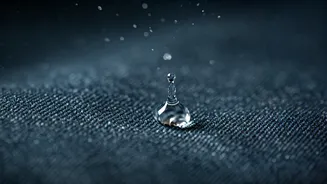
To put it simply, fabric behaviour comes down to its relationship with water. Hydrophilic ('water-loving') fabrics like cotton and linen absorb moisture readily, swelling and holding onto it. [13, 11] This makes them highly absorbent but very slow to dry. Hydrophobic ('water-fearing') fabrics like polyester do the opposite. [3] They absorb very little water—polyester, for instance, absorbs only about 0.4% of its own weight in moisture. [5] This is the key difference. While your cotton denim is soaking up rainwater like a sponge, a pair of polyester pants will resist the water, pushing it to the surface where it can be carried away by the air. [9, 10] This makes them far more comfortable and practical in wet or humid weather.
Beyond the Monsoon: Everyday Wins
The benefits of quick-dry clothing extend far beyond surviving an unexpected downpour during the monsoon. In India's hot and humid climates, moisture-wicking fabrics are a game-changer for everyday comfort. [14, 20] They pull sweat away from your skin, helping you stay cooler and drier throughout the day. [6] This makes them ideal for a packed commute, a brisk walk, or even just navigating a bustling market. They are also incredibly practical for travel. Quick-dry garments are typically lightweight, resist wrinkling, and can be washed in a hotel sink and be ready to wear again by morning. [14, 19] From athletic wear to stylish travel pants and shirts, the options are more versatile and accessible than ever.
Making the Switch: What to Look For
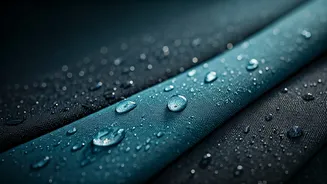
Ready to leave wet denim behind? When shopping, check the labels for materials like polyester, nylon, and spandex. [4] Many brands now offer blends that mix these synthetic fibres with natural ones like merino wool or bamboo to enhance softness and breathability while maintaining quick-dry properties. [19] Some clothing may also feature a Durable Water Repellent (DWR) finish, which causes water to bead up and roll off the surface. [9] Don't think you have to sacrifice style for function. Modern quick-dry clothing comes in a vast range of styles, from performance-oriented gear to casual chinos and shirts that look perfectly at home in the city. The next time you're about to buy another pair of heavy jeans, consider a lighter, more adaptable alternative.