




What is a Solid-State Battery?
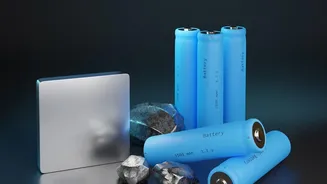
At the heart of every electric scooter is a lithium-ion battery. Think of it as a small container with two sides (a cathode and an anode) and a liquid electrolyte in the middle that lets energy particles swim back and forth. This liquid is the key to
how your scooter charges and runs, but it's also flammable and sensitive to damage. Solid-state batteries represent a fundamental shift in this design. They replace the volatile liquid electrolyte with a thin, solid material, like a ceramic or polymer. This single change might sound small, but it unlocks a cascade of benefits. By removing the flammable liquid, the battery becomes inherently more stable and far less likely to catch fire if punctured or overcharged. This solid structure also allows engineers to use more advanced materials, like energy-rich lithium metal, paving the way for batteries that can store significantly more power in the same amount of space.
A Leap Forward in Safety
Recent incidents of electric scooter fires have made many potential buyers in India wary. These fires are often caused by a phenomenon called 'thermal runaway' in conventional lithium-ion batteries. If a battery is damaged, poorly made, or overcharged, the flammable liquid electrolyte can overheat, causing a violent chain reaction that is difficult to extinguish. This is the single biggest problem solid-state technology aims to solve. By removing the liquid, you remove the fuel for the fire. A solid-state battery is non-flammable and far more resistant to the conditions that lead to thermal runaway. You could theoretically puncture or crush a solid-state cell without it bursting into flames, a game-changing improvement for a vehicle that navigates bumpy city roads and is often charged inside homes. This enhanced safety profile could build immense consumer confidence and accelerate EV adoption across the country.
The Promise of Better Performance
Beyond safety, solid-state technology promises to tackle another major concern for EV owners: range anxiety. Because solid electrolytes allow for a more compact and energy-efficient design, these batteries can store much more energy for their size. Estimates suggest an increase in energy density of 50% to 100%, which could translate to an electric scooter that can travel nearly double the distance on a single charge. Charging times are also set to improve dramatically. The stability of the solid electrolyte allows it to handle much higher charging currents without degrading. This could slash charging times from several hours to potentially under 30 minutes for a full charge, making the experience much closer to a quick stop at a petrol pump. Furthermore, these batteries are expected to have a longer overall lifespan, maintaining their performance across a wider range of temperatures, from scorching summer heat to cooler winter nights.
The Cost Question: Cheaper Eventually, Not Now
The headline promise of 'cheaper' batteries needs some context. In the long run, solid-state batteries are expected to be less expensive. Their design could simplify manufacturing and remove the need for bulky and expensive cooling and safety systems currently required for lithium-ion packs. However, in the short term, the opposite is true. Current manufacturing processes for solid-state batteries are complex and have not yet reached mass-market scale. As of 2026, producing a solid-state battery can be significantly more expensive than a comparable lithium-ion one. The initial wave of vehicles equipped with this technology will almost certainly be premium, high-end models. Experts predict that it will take until the early 2030s for economies of scale to kick in and bring the cost down to a level where they are competitive with, or cheaper than, today's batteries.
When Will They Arrive in India?
The race to commercialise solid-state batteries is global, with major players like Toyota, Samsung, and BYD investing heavily. The general consensus is that the first niche, high-end electric cars featuring solid-state batteries will appear around 2027 or 2028. For the two-wheeler market, some premium models could adopt the technology in a similar timeframe, possibly late 2027. However, true mass-market adoption for the affordable scooters and motorcycles that dominate Indian roads is further out. While some companies have ambitious timelines, widespread availability isn't expected until 2030 or later, once manufacturing costs come down. Several Indian companies, including Ola and Reliance, are reportedly exploring the technology, which is crucial for localizing production and making it relevant for the Indian market.