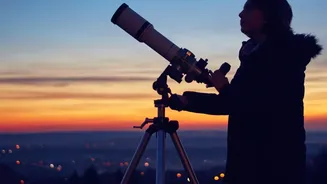





The Challenge of the City Sky
The biggest obstacle for any urban astronomer is light pollution. This pervasive glow from streetlights, buildings, and vehicles creates an atmospheric haze that washes out all but the brightest celestial objects. Due to this artificial sky glow, it's
estimated that the vast majority of people in North America and Europe can no longer see the Milky Way from their homes. For city dwellers, this means constellations appear fragmented, with only their most prominent stars visible, and fainter objects like nebulae and distant galaxies are completely obscured. It's not that the stars aren't there; they are simply outshone. This is where technology offers a powerful assist.
A Digital Window to the Stars
Sky mapping apps essentially turn your smartphone into a portable planetarium. By using your phone's built-in GPS, compass, and gyroscope, these apps know exactly where you are and which direction you're pointing the device. When you hold your phone up to the sky, the app overlays a map of stars, planets, and constellations onto your screen in real time. This augmented reality (AR) feature doesn't magically make faint stars visible, but it does something equally crucial: it identifies what you can see and tells you where to look for what you should be able to see.
Top Apps for the Urban Observer
Several apps are particularly well-suited for navigating light-polluted skies. Star Walk 2 is praised for its beginner-friendly interface and polished AR overlays. It excels at quickly identifying the bright objects that are most likely to punch through the urban glow. For those wanting more depth, Stellarium Mobile offers a massive database of stars and celestial objects in its free version, inheriting the power of its well-regarded desktop software. Its clean interface makes it easy to identify satellites and constellations. SkyView is another excellent choice, known for its ease of use and ability to function without a data or Wi-Fi signal, making it perfect for finding a darker corner of a city park. Many of these apps also feature a red-light mode, which helps preserve your night vision while stargazing.
How They Help You 'Cut Through' the Glow
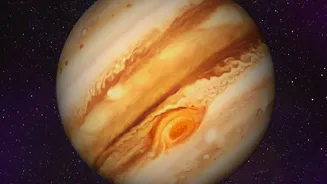
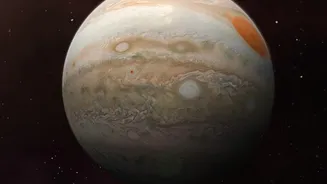
The real power of these apps in a city environment is their ability to manage expectations and direct your focus. Instead of being overwhelmed by a seemingly empty sky, you can use an app to pinpoint the exact location of Jupiter, even if it just looks like a bright, unblinking star to your naked eye. The app can confirm that the faint smudge you see is, in fact, the Orion Nebula. Many apps include a 'Tonight's Best' or visible objects feature, which filters the sky map to show only the planets, stars, and satellites bright enough to be seen from your location. Some apps like Sky Tonight even provide a stargazing forecast based on factors like cloud cover and light pollution. They help you celebrate what's visible rather than lamenting what is lost.
Beyond the Screen: Smarter City Stargazing
While apps are a phenomenal tool, they work best when paired with smart viewing strategies. First, seek out the darkest spot you can find, like a large park, a sports field, or a rooftop. Even getting into the shadow of a building to block a direct streetlight can make a significant difference. Second, give your eyes time to adapt. It takes at least 15-20 minutes for your pupils to fully dilate and become sensitive to low light. Avoid looking at your bright phone screen during this time; use the red-light mode in your app if you need to check it. Finally, focus on the bright stuff. The Moon, visible planets like Venus, Mars, Jupiter, and Saturn, the International Space Station, and the brightest constellations are all fantastic targets for urban astronomers. An app can tell you exactly when and where they will appear.