


Welcome to the 'Atlas Era'
The term 'Atlas Era' perfectly captures the current spirit of Indian cuisine. It signifies a period of comprehensive mapping, much like creating a world atlas. On one hand, chefs are looking outwards, confidently incorporating global ingredients and techniques
into Indian dishes. On the other, they are embarking on an inward journey, travelling across the country to document and revive the countless hyperlocal culinary traditions that have, for too long, been overlooked. This isn't about confusion or dilution; it's a confident evolution, where a menu can tell a story of both global connection and deep-seated heritage.
Charting the Globe
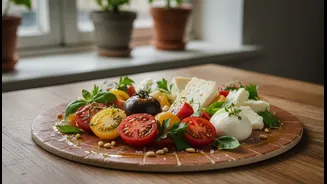
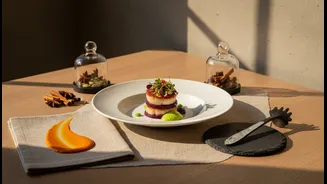
The first direction of this new era is external. A generation of Indian chefs, many with training in kitchens across Europe, Asia, and the Americas, are returning home with new ideas. They are skillfully weaving international ingredients like truffle, yuzu, and avocado, and techniques like sous-vide and modern fermentation, into traditional Indian flavour profiles. This is a far cry from the novelty-driven fusion of the past. Today, the approach is more thoughtful and integrated. It’s about using a global pantry to enhance, not overshadow, an Indian soul, resulting in dishes that feel both innovative and authentic.
Mapping India's Hyper-Regional Cuisines
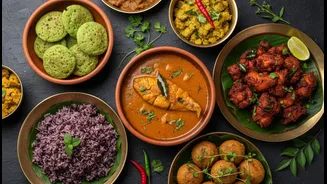
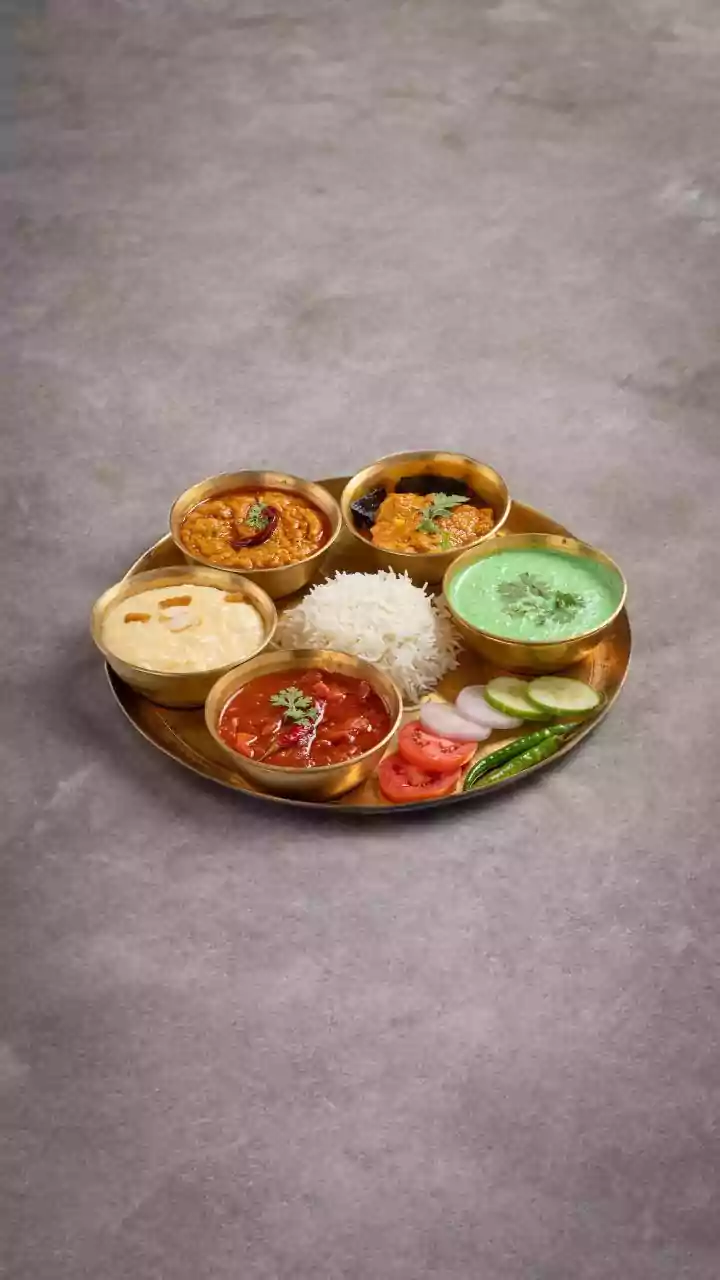
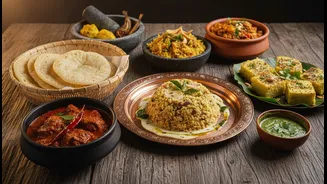
Simultaneously, the most exciting frontier is within India itself. Chefs and culinary enthusiasts are turning into explorers, moving beyond generic 'North Indian' or 'South Indian' labels to champion the foods of specific micro-regions. Menus are beginning to celebrate the distinct culinary identities of communities from Kodava in Karnataka, the tribal kitchens of Nagaland, or the royal traditions of Murshidabad. This movement is reviving indigenous ingredients that were once disappearing, like black rice from Manipur, gondhoraj lemons from West Bengal, and mahua flowers from Central India. Diners are no longer content with the familiar; they crave dishes with a story and a specific sense of place.
Resurrecting Lost Recipes
A key part of this internal mapping involves the revival of 'lost recipes'. These are traditional dishes that have faded from everyday cooking due to changing lifestyles and a lack of documentation. Culinary historians and chefs are digging through folklore and family histories to bring back these culinary gems. Dishes like the Kashmiri winter delicacy Hokh Syun (sun-dried vegetable curry) or the celebratory Meitei fish curry Nga Atoiba Thongba are being rediscovered and reintroduced to modern palates. This revival is about more than just food; it's an act of cultural preservation, connecting a new generation of diners to their rich heritage.
Why Is This Happening Now?
Several forces are driving this culinary renaissance. Indian diners have become more adventurous, with a growing curiosity about their own country's diversity. This has been fueled by social media, where food creators showcase regional specialties to a national audience. Furthermore, there is a newfound confidence among Indian chefs who no longer feel the need to simplify or anglicize their food for acceptance. They are proudly presenting authentic, complex, and unapologetically regional dishes. This cultural movement is a sign of Indian cuisine's maturity, celebrating its ability to absorb global influences while honouring its own incredible depth.