




More Than Just a Vacation
So, what exactly is slow beach travel? It's a mindset that rejects the whirlwind tour in favour of a more meaningful connection with one place. Instead of hopping between cities every two days, travellers might spend a week or more in a single coastal
village in Kerala or Tamil Nadu. The focus shifts from seeing every sight to experiencing daily life. This means ditching packed itineraries for spontaneous walks, swapping large hotel buffets for meals at family-run eateries, and prioritising genuine interactions over fleeting photo opportunities. This approach allows for a deeper understanding of the local culture, traditions, and pace of life, turning a simple beach holiday into a rich, immersive experience.
A Direct Boost to Local Economies
One of the most significant impacts of slow travel is its powerful economic ripple effect. When tourists stay in locally-owned homestays or boutique guesthouses, their money flows directly into the community. This contrasts sharply with mass tourism, where profits are often consolidated by large, sometimes international, hotel chains. A recent study noted the direct multiplier effect of tourism, where spending on accommodation leads to spending on local transport, guides, shops, and cultural activities. In destinations like Varkala in Kerala or Gokarna in Karnataka, the rise of homestays provides a vital source of income for families, allowing them to supplement earnings from seasonal work like fishing or agriculture. This model fosters grassroots entrepreneurship, empowering residents to create small businesses that cater to travellers seeking authentic experiences.
Fostering Cultural Exchange
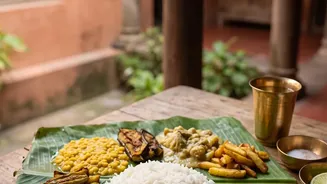
Slow travel creates an environment ripe for genuine cultural exchange. When visitors stay longer, they move from being passive observers to active participants in the local scene. This could mean taking a cooking class to learn the secrets of Keralan seafood curry, spending an afternoon with an artisan to understand their craft, or simply sharing stories with a homestay host over a cup of chai. These unhurried interactions help preserve local culture by valuing its authenticity rather than packaging it for quick consumption. Travellers return home not just with souvenirs, but with a real appreciation for the people and traditions they encountered. This deeper connection is a two-way street, as it also allows local communities to share their heritage with pride.
A Gentler Footprint on the Environment
The principles of slow travel are naturally aligned with sustainability. By staying in one place for longer and often utilising local transport, travellers can significantly reduce their carbon footprint. The emphasis is on smaller-scale accommodations like homestays, which typically consume fewer resources than massive resorts. This is particularly crucial for fragile coastal ecosystems. The model encourages a form of tourism that respects and preserves the natural beauty that attracts visitors in the first place. Eco-tourism initiatives, such as those in Thenmala, India's first planned eco-tourism destination, show how communities can manage tourism in a way that protects the environment while providing livelihoods. This conscious approach helps ensure that the pristine beaches and backwaters of Southern India can be enjoyed by generations to come.