
Understanding Heme vs. Non-Heme Iron
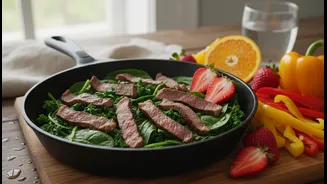
Not all iron is created equal. There are two types found in food: heme and non-heme. Heme iron, found in meat, poultry, and fish, is highly bioavailable, meaning your body can absorb it very efficiently—up to 35% of it. In contrast, non-heme iron is the
type found in plant-based foods like lentils, beans, spinach, and fortified cereals. While still essential, our bodies find non-heme iron harder to absorb, with absorption rates typically ranging from just 2% to 20%. This difference is central to why those on vegetarian or vegan diets need to be more strategic about their iron intake. It’s not just about how much iron you eat, but how much your body can actually use.
The Vitamin C Power-Up
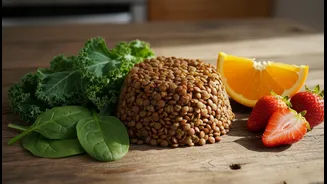
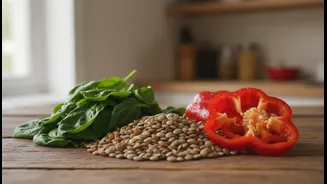
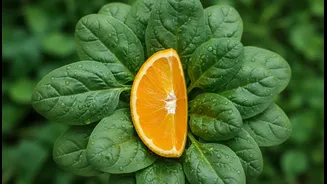
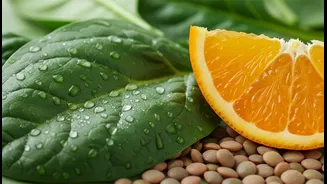
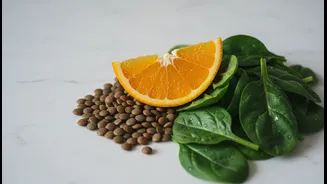
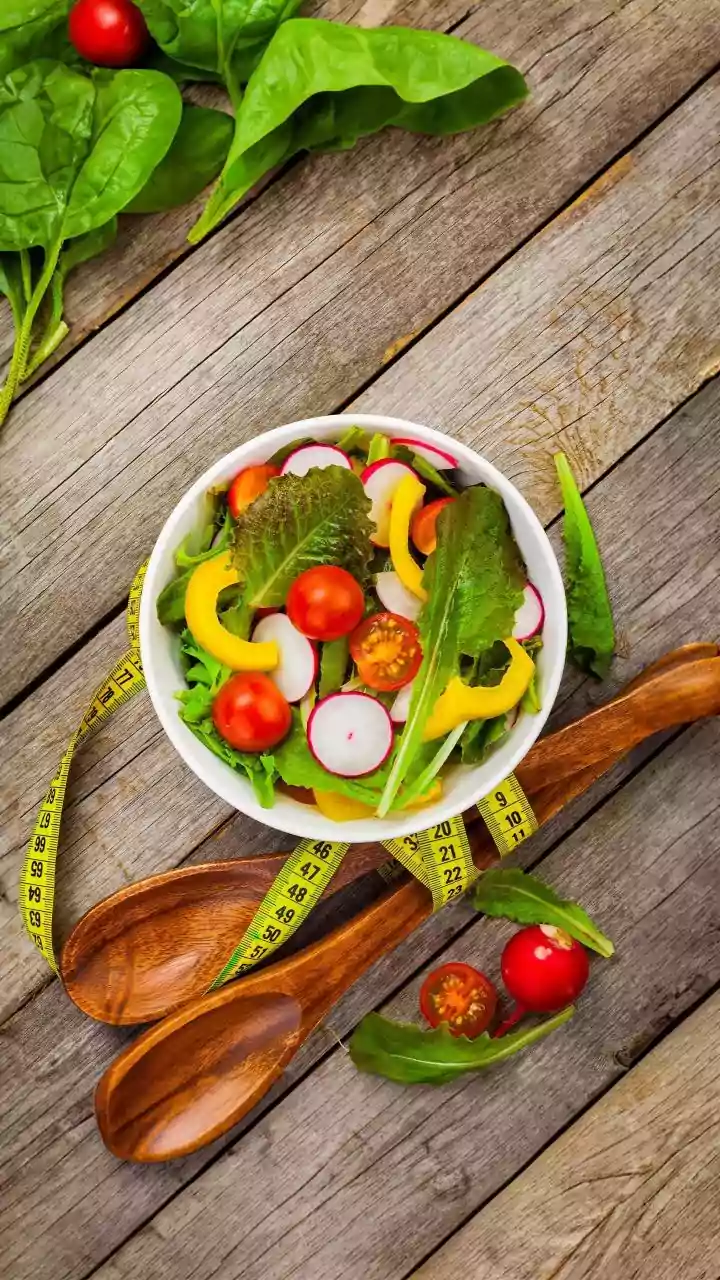
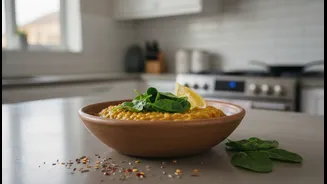
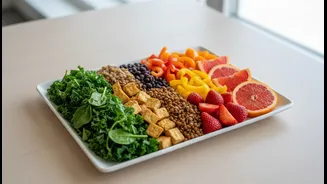
One of the most effective tricks to boost non-heme iron absorption is pairing it with Vitamin C. Vitamin C, or ascorbic acid, captures non-heme iron and stores it in a form that's much easier for your body to absorb. Studies have shown that consuming Vitamin C with an iron-rich meal can significantly increase iron uptake, with one study noting a 67% increase in absorption. The application is simple and aligns perfectly with Indian cooking traditions. Squeeze fresh lemon juice over your dal and sabzi. Pair your spinach curry with tomatoes, which are a great source of Vitamin C. Other excellent pairings include enjoying a side of bell peppers with a bean salad or having an orange or some amla as a post-meal snack.
Beware of the Iron Blockers
Just as some nutrients boost absorption, others can hinder it. The main culprits are phytates and tannins. Phytates, or phytic acid, are found in whole grains, legumes, nuts, and seeds and can reduce iron absorption by 50% or more. Tannins are a type of polyphenol found in tea and coffee, and they are powerful inhibitors. Having a cup of chai or coffee with your meal can decrease iron absorption by as much as 60-90%. Calcium is another inhibitor that affects both heme and non-heme iron. The practical advice here is about timing: try to drink your tea or coffee at least an hour or two before or after your iron-rich meals. This separation gives your body a clear window to absorb the iron without interference.
Unlock Nutrients with Smart Preparation
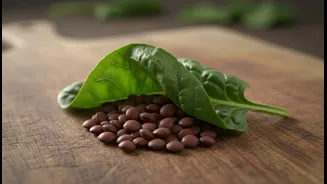
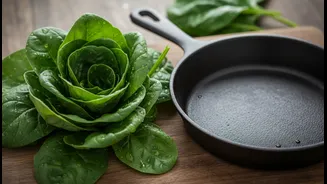
The way you prepare your food can also make a big difference in nutrient availability. Traditional methods like soaking, sprouting, and fermenting are fantastic for reducing the phytate content in legumes and grains. Soaking lentils or beans overnight before cooking them helps to break down the phytic acid, making the iron within them more accessible to your body. Sprouting grains like moong or fenugreek seeds has a similar effect, while also boosting other nutrients. Fermentation, used to make foods like dosa and idli from fermented rice and lentil batters, also enhances the nutritional profile and improves the bioavailability of iron. Another simple but effective trick is to cook in cast-iron cookware, which can naturally leach small amounts of iron into your food.
Your Plant-Based Iron Shopping List
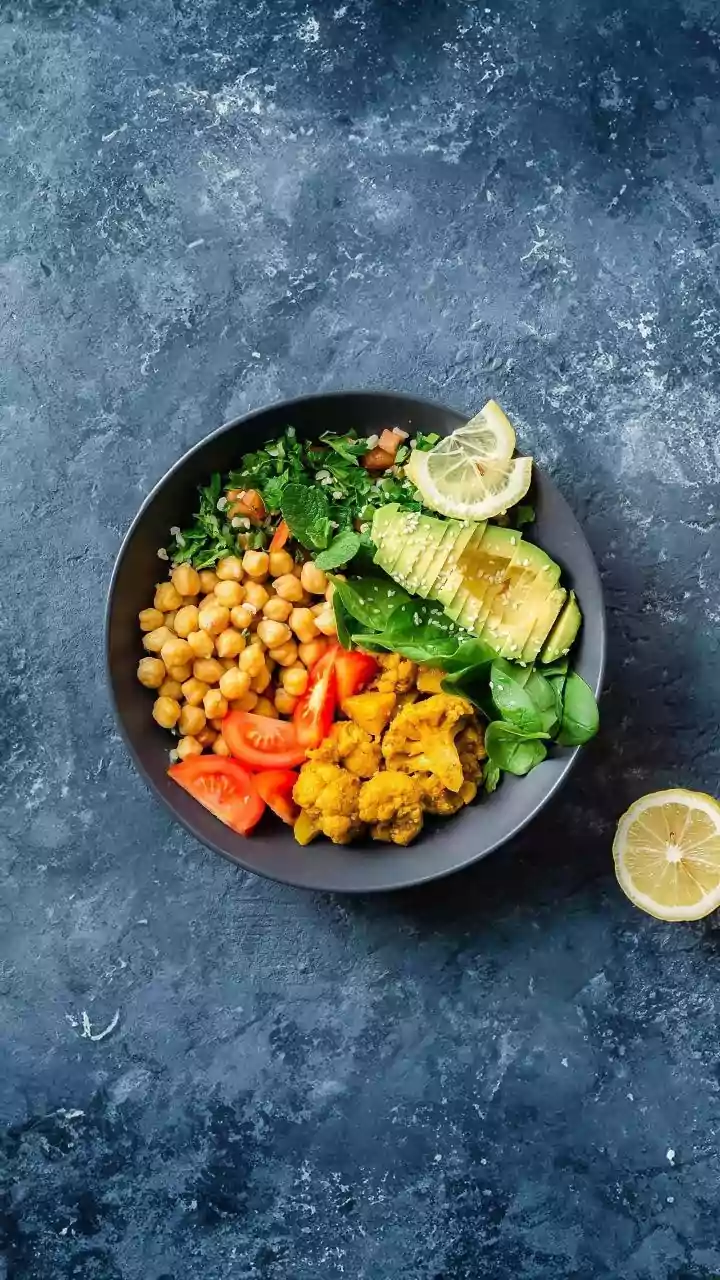
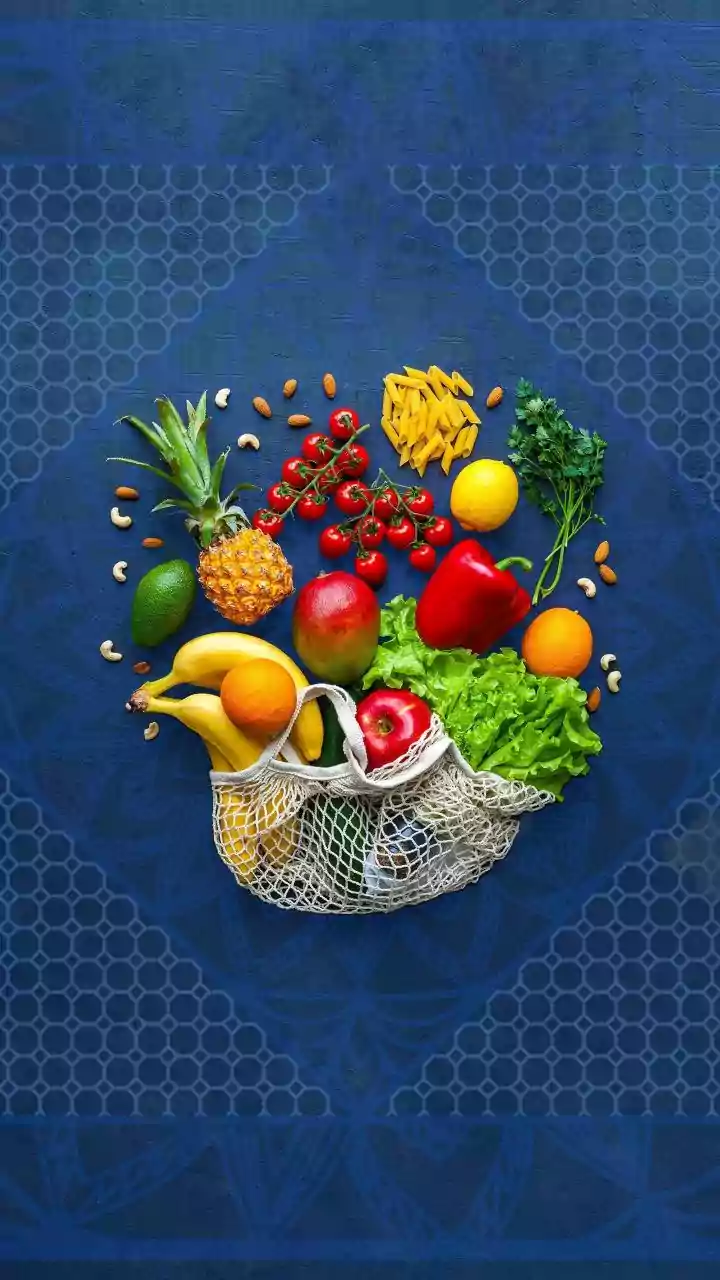
Building an iron-rich plant-based diet is easy when you know what to look for. Many staples of the Indian diet are excellent sources of non-heme iron. Focus on incorporating a variety of these foods into your daily meals: Lentils and Legumes: This includes all kinds of dal (masoor, toor, moong), chickpeas (chana), and kidney beans (rajma). Leafy Greens: Spinach (palak), fenugreek leaves (methi), and moringa leaves are nutritional powerhouses. Seeds: Tiny but mighty, halim (garden cress) seeds, sesame seeds (til), and pumpkin seeds are incredibly rich in iron. Grains and Millets: Amaranth (rajgira) and quinoa are excellent choices. Other Sources: Tofu (made from soybeans), potatoes, and dried fruits like raisins, dates, and dried apricots are also valuable sources.