




What is This Tangy Purple Drink?
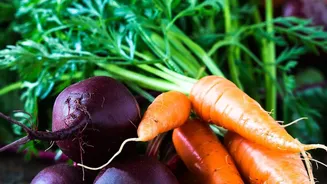
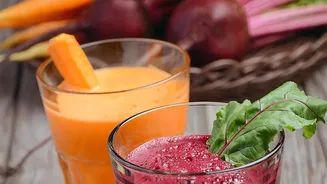
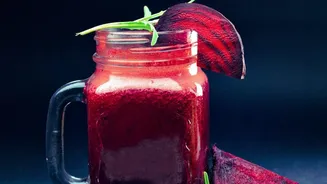
Kanji is a traditional fermented beverage, particularly popular in North India during the winter and spring months. Its most iconic form is made from 'kali gajar' or black carrots, which give the drink its deep, purplish hue. When black carrots aren't
in season, beetroot is often used, lending a similarly rich, ruby colour and an earthy sweetness. The process is simple: chopped carrots or beets are submerged in water with salt and coarsely ground mustard seeds. This mixture is then left in a glass or clay jar, traditionally in the sun, for several days. During this time, natural fermentation occurs, transforming the liquid into a tangy, pungent, and savoury drink that is teeming with beneficial microbes.
A Powerhouse of Probiotics
The primary reason for Kanji's resurgence is its reputation as a potent probiotic. The fermentation process cultivates beneficial lactic acid bacteria, which are essential for a healthy gut microbiome. A balanced gut is linked to numerous aspects of wellness, from improved digestion and nutrient absorption to reduced bloating. Beyond probiotics, Kanji is also a source of postbiotics—beneficial compounds like short-chain fatty acids created during fermentation that support the gut lining and help reduce inflammation. This makes it a holistic drink for digestive health, offering more than just live bacteria.
Why the Comeback Now?
Kanji's return isn't just a coincidence; it reflects a broader cultural shift. There is a growing movement across India to reclaim and celebrate indigenous food wisdom. As people become more conscious of gut health and wary of processed, sugary beverages, traditional and natural alternatives are gaining appeal. Global interest in fermented foods like kombucha and kefir has also paved the way for local counterparts like Kanji to be appreciated. Furthermore, social media has played a significant role, with food influencers and home chefs sharing the vibrant colour and simple preparation of Kanji, reintroducing it to a new generation. The post-pandemic focus on immunity has also boosted its popularity, as it is seen as a natural way to support the body's defences.
More Than Just a Health Tonic
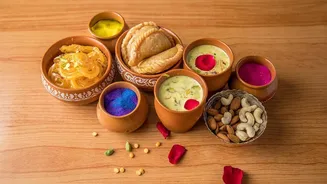
While its health benefits are impressive, Kanji is also steeped in cultural significance. For generations, it has been a seasonal ritual in many households, especially prepared for festivals like Holi to aid digestion amidst the feasting. The drink carries a sense of nostalgia, connecting the present with the culinary practices of parents and grandparents. It represents a sustainable, whole-food approach to wellness that stands in contrast to expensive, packaged supplements. Black carrots and beetroot themselves are packed with antioxidants, particularly anthocyanins, which contribute to heart health and have anti-inflammatory properties. The drink is also low in calories and hydrating, making it a smart choice for overall well-being.
Bringing Kanji to Your Kitchen
Perhaps the most appealing aspect of Kanji is its simplicity. It requires no special equipment or starter cultures, just a few basic ingredients and a little patience. The process of watching water, vegetables, and spices transform over a few days is a rewarding experience in itself. The flavour is certainly unique—tangy, salty, and with a distinct kick from the mustard seeds, it is an acquired taste for some but a cherished one for many. The leftover carrot and beetroot pieces become pleasantly pickled and can be enjoyed as a side dish. As more people discover its benefits and simple charm, this ancient drink is reclaiming its rightful place in the modern Indian kitchen.