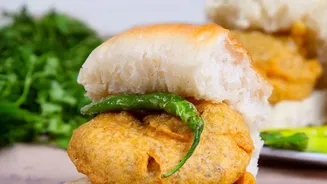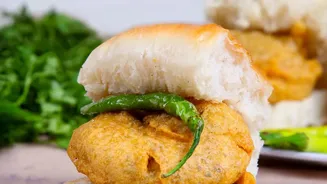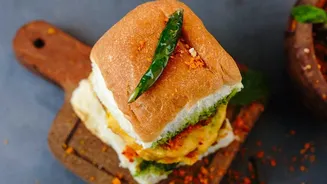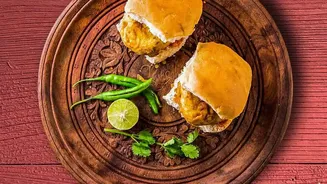

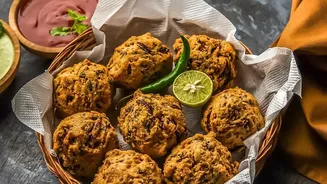
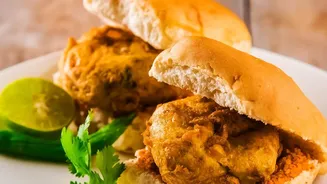

The beloved Vada Pav, a spicy potato fritter tucked into a soft bread roll, is more than just a snack; it's an emotion. But recreating that perfect street-style crunch at home can be daunting, especially the deep-frying. This guide is here to change that.
Anatomy of a Classic Vada Pav
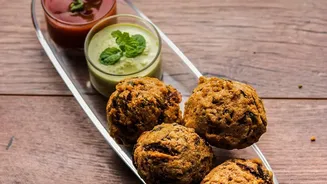
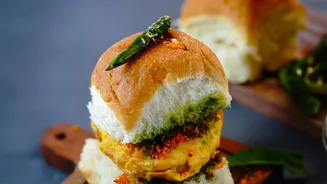
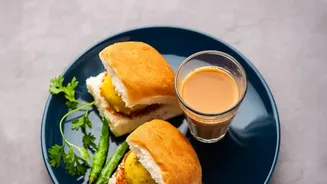
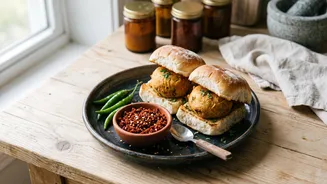
Before diving into technique, let's appreciate the components that make Vada Pav a legend. At its heart is the 'batata vada', a flavourful mashed potato ball coated in a chickpea flour (besan) batter and deep-fried to golden perfection. This crispy delight is then nestled inside a soft, unsweetened bread roll known as a 'pav'. What elevates it from a simple sandwich to a culinary icon are the chutneys: a fiery dry garlic chutney (lasun chutney), a fresh and zesty green chutney, and sometimes a sweet tamarind chutney. Often, a fried green chilli is served alongside for an extra kick.
Perfecting the Potato Filling
The soul of the vada is its potato filling. The key is to use boiled potatoes that are firm, not mushy or waterlogged. Once boiled and peeled, mash them roughly, leaving some small lumps for texture. Sautéing this mash is a crucial step for flavour. Heat a little oil and splutter mustard seeds, then add asafoetida (hing), curry leaves, and a paste of ginger, garlic, and green chillies. Fold in the mashed potatoes along with turmeric and salt. Many cooks also sauté the potato mix for a couple of minutes to remove any excess moisture, which helps prevent the vada from becoming soggy. Finish with fresh coriander and a squeeze of lemon juice for brightness. Allow this mixture to cool completely before shaping it into balls; a warm filling can steam inside the batter and cause it to split open in the hot oil.
The Secret to a Crispy Batter
A great vada has a batter that is crispy, light, and not oily. The batter should be made from besan (gram flour) and be thick enough to coat the potato ball evenly without being runny. A good test is to see if it coats the back of a spoon. For extra crispiness, many recipes suggest adding a tablespoon or two of rice flour. Another popular trick is to add a tablespoon of hot oil directly into the batter just before frying; this helps create a lighter, crispier shell. Whisking the batter vigorously for a few minutes incorporates air, making it fluffy. Some cooks add a tiny pinch of baking soda for a lighter texture, but it's optional if your technique is right.
Home Frying Demystified
This is where many home cooks hesitate, but success lies in temperature control. The ideal oil temperature for frying vadas is around 175-180°C (350°F). If you don't have a thermometer, you can test it by dropping a tiny bit of batter into the oil. If it sizzles and rises to the top within a few seconds without browning too quickly, the oil is ready. If it sinks and stays at the bottom, the oil is too cold, which will result in greasy vadas. If it turns dark brown instantly, the oil is too hot, and your vadas will burn on the outside while remaining uncooked inside. Use a neutral oil with a high smoke point, like groundnut, sunflower, or canola oil.
Frying Technique for Success
Once your oil is ready, the technique is simple. Dip a potato ball into the batter, ensuring it's fully coated, and gently slide it into the hot oil from the side of the pan to prevent splashes. Don't overcrowd the pan; fry only 3-4 vadas at a time to maintain a steady oil temperature. Let them fry for a minute to set the crust before turning them. Continue to fry, turning occasionally, for about 4-5 minutes until they are a deep golden brown and crisp all over. Once done, remove them with a slotted spoon and drain them on a wire rack instead of paper towels. A wire rack allows air to circulate, preventing the bottoms from getting soggy from trapped steam.
Unlocking the Variations
Once you've mastered the classic vada, a world of variations opens up. The fundamental frying technique remains the same. For a 'Cheese Vada Pav', simply stuff a small cube of mozzarella or processed cheese into the center of the potato ball before coating and frying for a gooey surprise. A 'Schezwan Vada Pav' involves slathering spicy Schezwan sauce inside the pav instead of or in addition to the traditional chutneys. You can also mix some of the sauce into the potato filling itself. For a fun, crunchy twist, some street vendors add 'chura'—the crispy fried batter droplets left in the oil—inside the pav for extra texture.