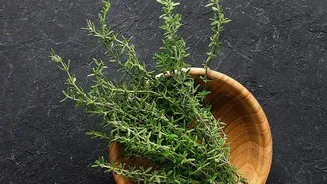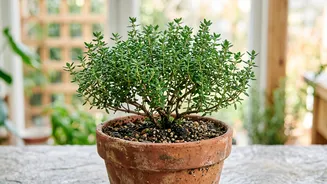





Thyme is a wonderfully fragrant and versatile herb, perfect for kitchen gardens. Yet, many home gardeners find their plants struggling. The most common culprit is often hiding below the surface: soil that simply refuses to dry out.
Think Like a Mediterranean Herb
To understand why damp
soil is a death sentence for thyme, you have to think about its origins. Thyme is native to the sunny, rocky hillsides of the Mediterranean. It evolved to thrive in conditions that many other plants would find challenging: full sun, lean soil, and infrequent water. Its entire system is built for drought tolerance, with small leaves that minimize water loss and roots that expect to be in dry, well-aerated ground. When we bring thyme into our homes and gardens, we often kill it with kindness, providing rich, moisture-retentive soil that is the exact opposite of what it needs. A constantly damp environment is alien to this sun-loving herb.
The Danger of 'Wet Feet'
When thyme's roots sit in constantly wet soil, they are effectively suffocated. Soil particles packed tightly with water leave no room for the oxygen that roots need to function. This creates the perfect breeding ground for fungal diseases, most notably root rot. The fungi responsible for root rot thrive in these damp, low-oxygen conditions, attacking the plant's root system. The initial signs can be confusingly similar to underwatering—leaves may wilt, turn yellow or brown, and the plant looks generally unhealthy. But adding more water only makes the problem worse, accelerating the rot. Healthy roots should be firm and pale; rotted roots become dark, mushy, and may even have a sour smell.
Building the Perfect Soil Mix
The single most important factor for success with thyme is ensuring excellent drainage. Standard potting compost is often too dense and holds too much moisture. To create an ideal environment, you need to make your soil grittier and more porous. Amending your soil with materials like coarse sand, perlite, pumice, or fine horticultural grit is essential. A good rule of thumb for containers is to use a mix that is about two parts potting compost to one part drainage material. Some gardeners suggest a blend of potting mix, a mineral grit like perlite, and fine bark or a cactus mix. You can also start with a commercial succulent or cactus mix, which is formulated for the sharp drainage that thyme loves.
Pots, Drainage, and Watering Wisdom
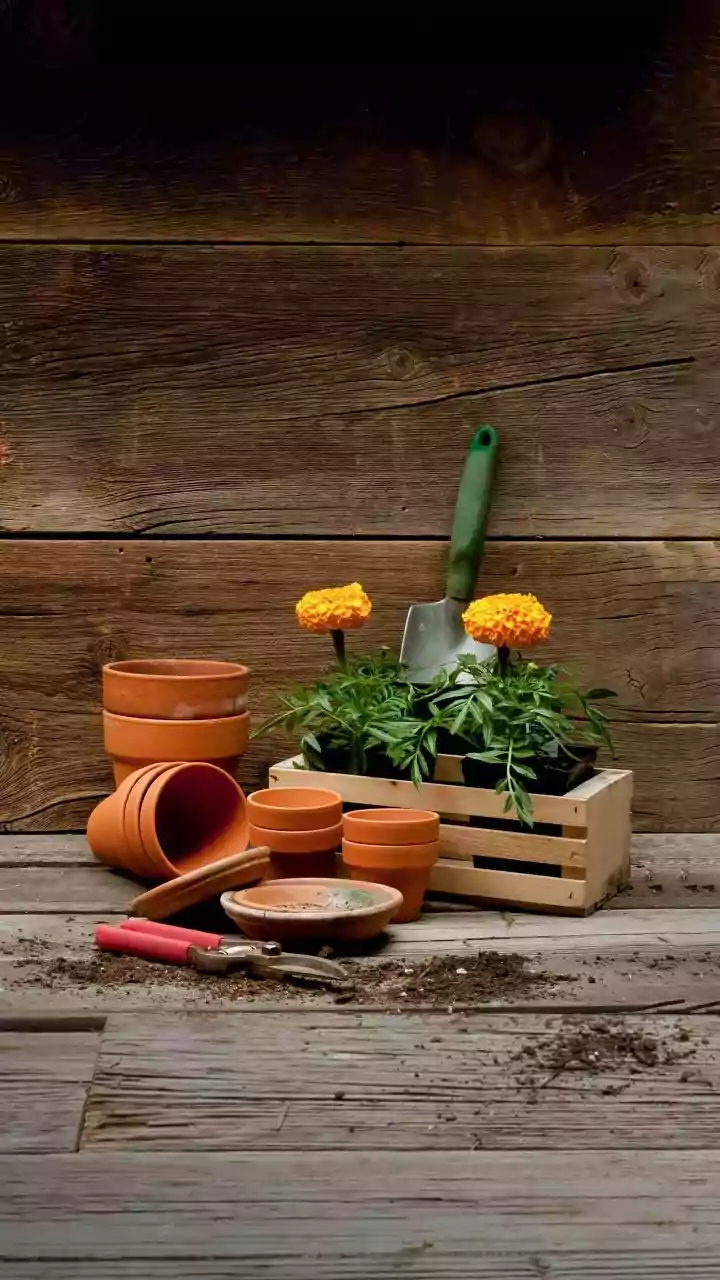
The right container is just as important as the right soil. Always choose a pot with ample drainage holes. Unglazed terracotta pots are an excellent choice because the porous clay allows moisture to evaporate, helping the soil dry out more quickly. When it comes to watering, the golden rule is 'less is more'. Thyme is extremely drought-tolerant once established and prefers its soil to dry out completely between waterings. Before you even think about watering, test the soil. Poke your finger about two inches deep; if you feel any moisture, wait. Indoors, this might mean watering only every 7 to 14 days, depending on light and heat. Overwatering is the most common reason potted thyme fails.
Recognising the Signs of Trouble
Stay vigilant and learn to spot the early warnings of overwatering. The plant's leaves may lose their vibrant colour, turning dull green, grey, or yellow. The stems might feel soft or turn dark and mushy near the soil line, which is a classic sign of crown rot. One of the most telling signs is a plant that looks wilted even when the soil is damp. A thirsty plant will perk up within a few hours of being watered, but a plant with root rot will not recover and may even look worse. If you suspect rot, you must act fast. Stop watering immediately, improve airflow, and if the problem is advanced, you may need to repot the plant into fresh, dry, gritty soil, trimming away any blackened, mushy roots in the process.