






A Season of Scarcity
The four-month southwest monsoon officially concluded with a nationwide rainfall deficit of around 13%. This makes it the weakest monsoon season in over a decade, a situation largely attributed to the strengthening El Niño conditions in the Pacific Ocean.
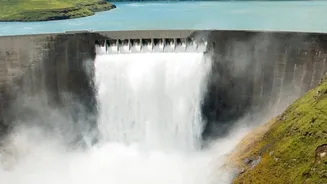
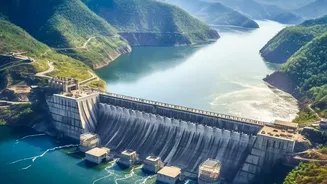
The distribution of rain was highly uneven. While Central India received near-normal rainfall, the South Peninsula and the East and Northeast regions experienced significant shortfalls. This patchy performance has directly impacted Kharif sowing and, more critically, has left reservoir levels dangerously low ahead of the upcoming Rabi winter crop season. As of late September, India's major reservoirs were at their lowest levels for this time of year in a decade, a worrying sign for crops that depend on stored water.
Key Crops Under Threat
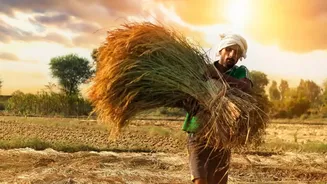
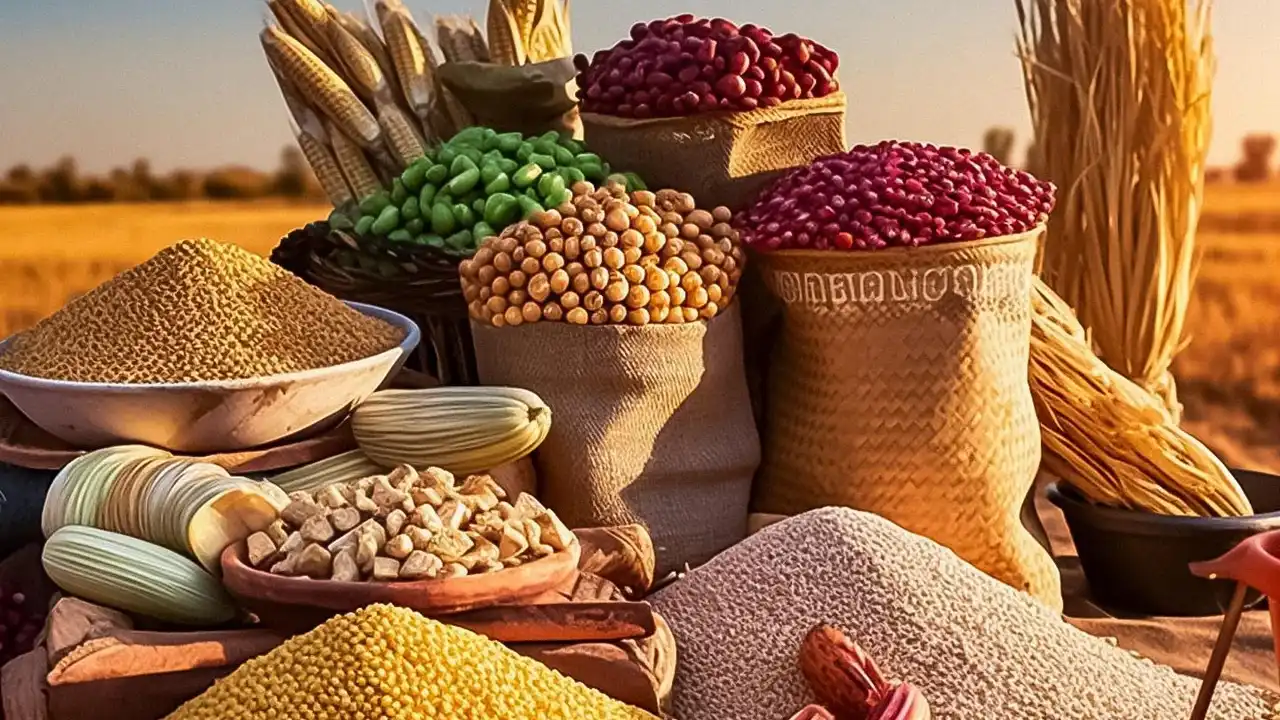
The erratic rainfall has put several key Kharif crops under stress. While overall sowing was only slightly below last year, the real risk now lies in lower yields. Paddy (rice) has been significantly affected, with total acreage down, especially in states like Karnataka, Telangana, and Andhra Pradesh. Other crops that are largely rain-fed, such as cotton, soybean, maize, and certain pulses, are also vulnerable. The lack of moisture during critical growth stages can lead to smaller yields and poorer crop quality. In response to an expected shortfall in pulses, the government is reportedly considering reducing import tariffs on lentils and yellow peas to stabilize domestic supplies and control prices. The government has also set a lower overall foodgrain production target for the 2026-27 crop year, signalling its concern over the weather's impact.
The Pinch in Your Pocket
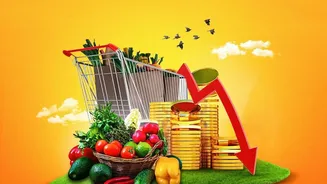
The agricultural distress is expected to translate into higher food prices for consumers. Economists are warning of upward pressure on food inflation, which could persist for months. Even before the full impact of the weak harvest is felt, inflation for essential legumes like pigeon pea and black gram was already elevated in August. The Reserve Bank of India (RBI) has flagged the poor monsoon as a key risk to the nation's growth and inflation outlook. With the monsoon's performance threatening to push food prices higher, there is growing speculation that the RBI may be forced to consider interest rate hikes to keep inflation in check, a move that could affect the broader economy.
The Human and Economic Cost
Beyond the headline numbers, the poor monsoon has a deep human cost. Weaker farm incomes could dampen rural demand, which is a critical engine of the Indian economy. Several states, including Maharashtra and Karnataka, have already declared drought or drought-like conditions in hundreds of administrative blocks, triggering the need for government support for affected farmers. The impact on rural wages is also a concern, with real rural wages already showing a contraction even before the full effects of the poor harvest season materialize. The government is preparing to launch a nationwide campaign to advise farmers on crop protection and water conservation for the Rabi season, acknowledging the need for risk management in an era of increasing climate volatility.