


Why the Monsoon Is a Gardener’s Best Friend
The rainy season offers a unique advantage for anyone looking to cultivate a green corner. The consistent moisture from natural rainfall reduces the daily chore of watering, while the high humidity creates a lush, tropical environment where many plants
thrive. This period, typically from June to September in most of India, encourages a burst of growth, turning dormant balconies into vibrant green escapes. The cooler temperatures and overcast skies also protect delicate leaves from the harsh sun, allowing plants to focus their energy on growth and flowering. It’s a time when nature does most of the heavy lifting, making it an ideal season for beginners to dip their toes into the world of gardening.
Choosing the Right Monsoon Companions
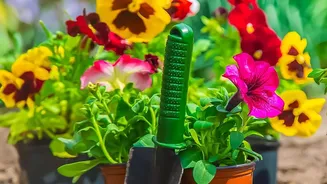
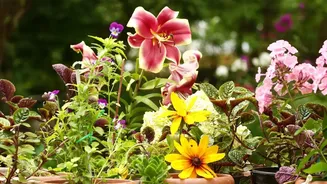
Success starts with selecting plants that love the rain as much as you do. Monsoon-friendly flowers can add a splash of brilliant colour against grey skies. Hibiscus, for example, produces large, dramatic blooms and thrives in the humid conditions. Balsam, known for its pink, purple, and red flowers, is another rainy season favourite that grows quickly and blooms abundantly. Marigolds are not only cheerful and bright but also help keep common pests at bay. For those who love fragrance, jasmine and tuberose are excellent choices, releasing their sweet scents into the cool, moist air. Rain lilies are particularly magical, often sprouting their delicate pink or white flowers seemingly overnight after a fresh shower. For foliage, consider hardy options like money plants and ferns, which add texture and a deep green backdrop.
Smart Setups for Small Spaces
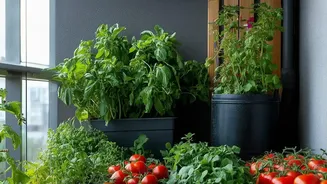
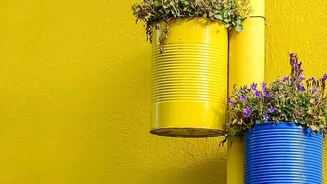
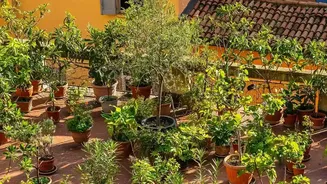
A compact balcony doesn't mean you have to limit your green ambitions. The key is to think vertically and use your space wisely. Railing planters are a fantastic way to add plants without sacrificing precious floor space. Vertical gardens or wall-mounted planters can turn a plain wall into a living work of art. Tiered plant stands allow you to arrange multiple pots in a small corner, creating a layered, jungle-like effect. Hanging planters are also perfect for trailing plants like money plants or ferns, adding a cascading curtain of green. By using these space-saving techniques, you can cultivate a surprisingly dense and diverse garden on even the smallest of balconies.
Essential Care: Water, Pests, and Drainage
While the monsoon provides ample water, it can also bring challenges. The single most important rule of monsoon gardening is ensuring proper drainage to prevent waterlogging, which can lead to root rot. Make sure every pot has drainage holes and consider placing pots on stands or bricks to allow excess water to escape freely. Even though it’s raining, you might still need to water plants that are sheltered from direct rainfall. High humidity can also invite fungal diseases and pests like mealybugs and aphids. Improve air circulation by not overcrowding your plants and prune any infected leaves immediately to stop the spread. A preventive spray of neem oil can be an effective organic solution to keep pests under control.
More Than Just Plants: Creating a Vibe
A truly lived-in balcony is more than just a collection of plants; it's a personal retreat. To complete the transformation, add elements that make the space comfortable and inviting. A small, weather-resistant bench or a couple of foldable chairs can create a cosy seating nook. If space allows, a hanging swing offers a perfect spot to relax with a cup of tea while enjoying the rain. Stringing up some fairy lights or solar-powered lanterns will cast a magical glow in the evenings, making your balcony a usable and beautiful space even after sunset. A colourful outdoor rug can tie the space together, but opt for materials like polyester or woven plastic that are easy to clean and can withstand the dampness.