


The Case for Robots: Cheaper, Safer, and Enduring
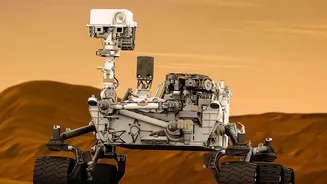
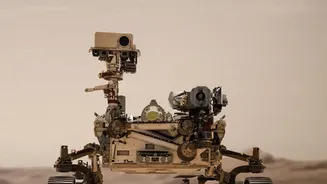
The single biggest argument for robotic missions is the staggering cost difference. A flagship robotic mission, like the Perseverance rover, costs under $3 billion. In contrast, estimates for a single human mission to Mars range from $200 billion to as high
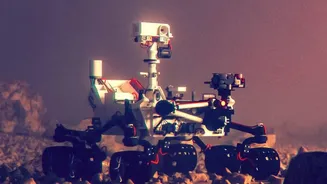
as $600 billion. For the price of one crewed expedition, we could launch dozens of sophisticated robotic explorers across the solar system. This enormous financial gap stems from one core challenge: keeping humans alive. Robots don't need air, water, food, or a return ticket. They can be designed to withstand Mars' harsh environment, including extreme temperatures and a radiation-heavy surface, without bulky and expensive life support systems or shielding. Furthermore, robotic missions can last for years, far beyond the limits of human endurance. The Voyager probes have been operating for decades, and rovers like Curiosity have far outlived their initial mission timelines, continuously sending back invaluable data.
The Human Factor: A Catalogue of Challenges
Sending people to Mars is an immense logistical and biological challenge. The journey alone takes months, exposing astronauts to deep space radiation that can damage DNA and increase cancer risk. Mars itself lacks a global magnetic field and has a thin atmosphere, offering little protection from this constant bombardment. Beyond radiation, astronauts face severe physiological effects from prolonged exposure to reduced gravity—Mars' gravity is only 38% of Earth's. This leads to muscle atrophy, bone density loss, and cardiovascular issues. Then there's the life-support system itself. A crew would need a perfectly reliable, closed-loop system to recycle air and water for years, a technology that has not been perfected for such long-duration missions. The psychological toll of extreme isolation, confined spaces, and a communication delay with Earth of up to 22 minutes one-way also poses a significant risk to crew mental health and mission success.
The Irreplaceable Human Advantage
Despite the immense challenges, human explorers bring something robots cannot replicate: adaptability and intuition. A rover like Curiosity moves at a maximum speed of 0.14 km/h, and its path must be meticulously planned to avoid hazards. An astronaut, by contrast, can walk, climb, and make split-second decisions. A task that took the InSight lander nearly two years to attempt—burrowing a few inches into the soil—could have been accomplished by a human with a shovel in minutes. Humans can react to unexpected findings, repair equipment, and conduct complex experiments on the fly. This flexibility is crucial for true exploration. The history of the Apollo missions includes instances where astronauts spotted something interesting and made a detour, a moment of spontaneous discovery impossible for a pre-programmed robot. This ability to interpret, question, and apply real-time critical thinking is why many argue that for genuine, deep exploration, humans are essential.
A Partnership for the Planets
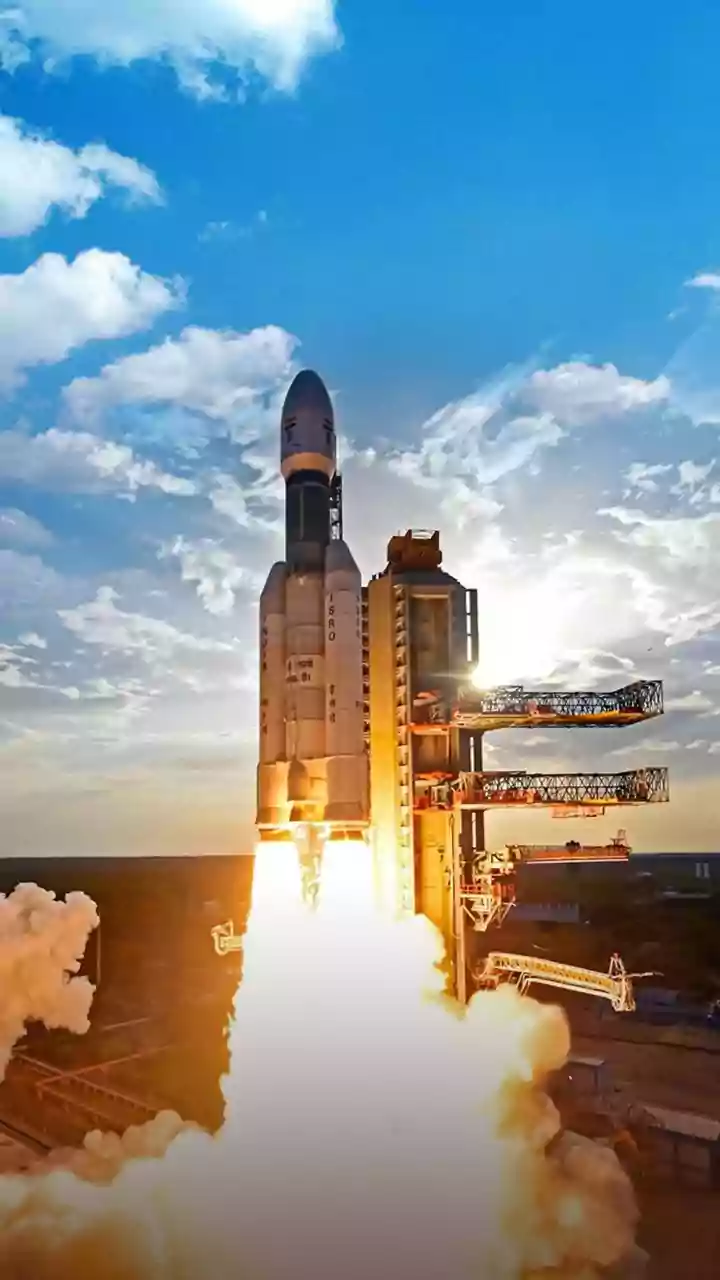
Ultimately, the debate is not a simple 'either-or' choice. The most effective strategy for exploring Mars involves a symbiotic relationship between robots and humans. Robotic missions are the perfect precursors, acting as scouts to map terrain, analyze the atmosphere, identify resources, and test technologies. India's own Mars Orbiter Mission (Mangalyaan) is a prime example of a highly successful and cost-effective robotic mission that gathered crucial data and demonstrated India's interplanetary capabilities on its first attempt. These robotic pioneers reduce the risks for eventual human missions. Programs like NASA's Artemis, which aims to establish a sustainable presence on the Moon, are explicitly designed as a stepping stone to Mars, testing the life support, habitat, and operational systems needed for the much longer journey to the Red Planet. Robots do the initial, high-risk groundwork, paving the way for humans to follow and make the breakthrough discoveries.