





Why Your Diet Matters More Now
The rainy season, or Varsha Ritu in Ayurveda, is a time when the body's digestive fire, known as Agni, is considered to be weaker. The high humidity and drop in temperature can slow down metabolism, making you more susceptible to digestive issues like
bloating and indigestion. Furthermore, the damp environment is a perfect breeding ground for bacteria and viruses, leading to a higher risk of water-borne and food-borne illnesses such as gastroenteritis, typhoid, and cholera. Because of this, what you eat becomes a critical line of defence. Focusing on fresh, hygienic, and easily digestible foods can help support your gut, bolster your immune system, and keep seasonal illnesses at bay.
Embrace Light, Warm, and Cooked Meals
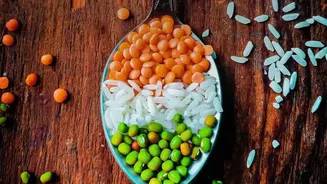
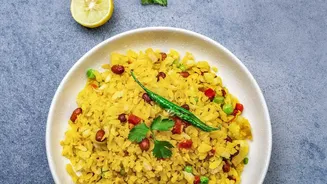
During the monsoon, your digestive system benefits from a break from heavy, oily, and hard-to-process foods. Opt for light and warm meals that are easy on the stomach. Freshly prepared dishes are always preferable, as humidity can cause leftovers to spoil faster. Simple, home-cooked meals like khichdi, a comforting mix of rice and lentils, are considered ideal. Thin soups, steamed vegetables like bottle gourd (lauki) and bitter gourd (karela), and light grains such as barley and old rice are also excellent choices. These foods provide essential nutrients without overburdening your digestive system, helping you feel energetic and well.
Harness the Power of Spices and Herbs
Indian kitchens are a treasure trove of herbs and spices that have natural immunity-boosting and anti-inflammatory properties. Incorporating them into your daily cooking is a simple way to fortify your body. Ginger, with its antimicrobial properties, is great for soothing sore throats and aiding digestion. Turmeric is a powerful antiseptic, while garlic is known for its antiviral and antibacterial effects. Other beneficial spices include black pepper, cumin, and coriander, which can be added to dals, soups, and vegetable dishes to enhance both flavour and wellness. A warm cup of herbal tea made with tulsi or ginger can also be a soothing and protective daily ritual.
Navigate Fruits and Vegetables with Care
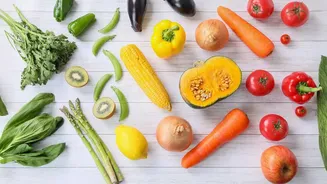
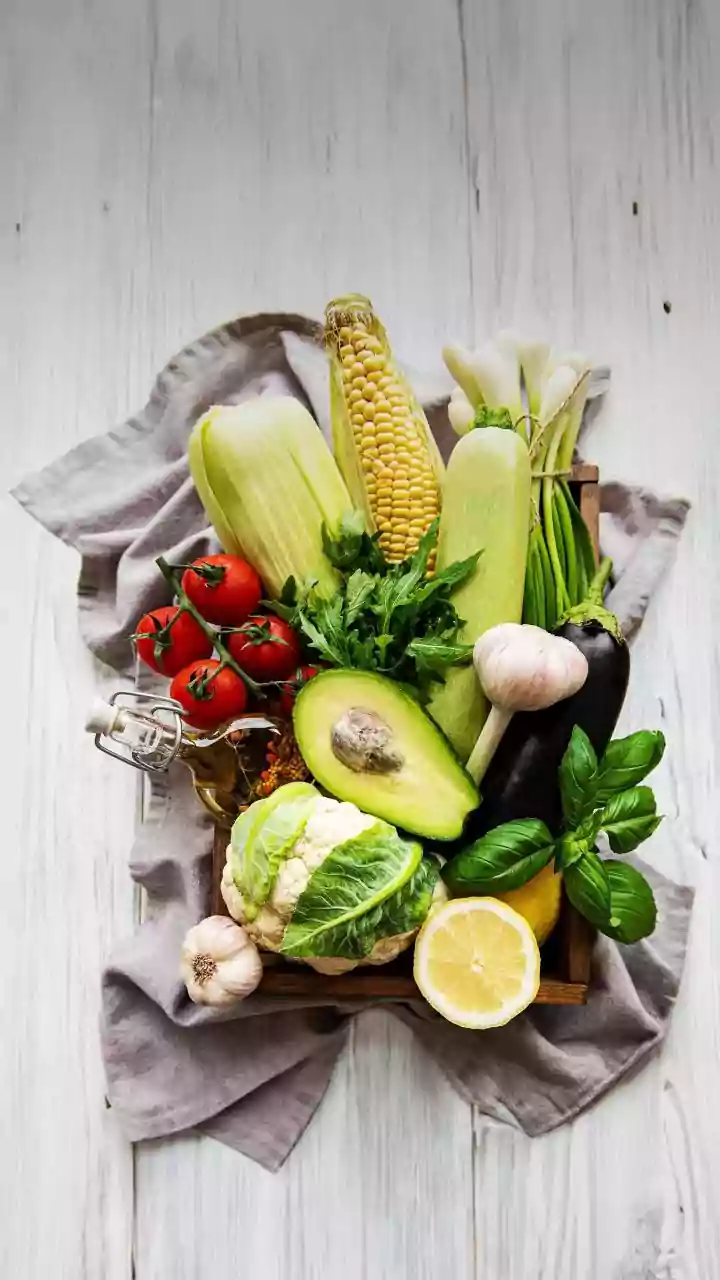
While fruits and vegetables are essential, some require extra caution during the monsoon. Leafy greens like spinach and cabbage, which grow close to the ground, can harbour dirt and germs, especially with the increased moisture. If you choose to eat them, it's crucial to wash them thoroughly, perhaps by soaking them in salt water, and to cook them well rather than eating them raw. Safer vegetable choices include those that can be peeled, such as carrots, pumpkin, and various gourds. For fruits, opt for seasonal varieties like jamun, pomegranate, pears, and apples. Always wash fruits well and cut them yourself just before eating to avoid contamination from pre-cut produce sold outside.
Rethink Street Food and Fried Snacks
The craving for hot, fried pakoras and chaat is almost synonymous with rainy days, but this is a habit to approach with caution. Street food poses a higher risk during the monsoon due to the increased chances of water contamination and unhygienic handling. Water-borne diseases are rampant, and snacks like pani puri are a common source. Additionally, heavy, deep-fried foods can lead to indigestion and bloating, as the humid weather already slows your digestion. If the craving is irresistible, preparing these snacks at home is a much safer alternative where you can control the hygiene and ingredients. For a safer street-side option, hot, roasted corn on the cob (bhutta) is a better choice as the heat helps kill germs.
Stay Hydrated the Smart Way
It's easy to drink less water when the weather is cool, but staying hydrated is crucial for flushing out toxins and supporting your immune system. However, the source of your water is paramount during the monsoon. Always opt for boiled, filtered, or purified water to avoid waterborne infections. Avoid drinking tap water directly and be wary of ice in drinks from outside vendors. Instead of cold beverages that can dampen digestion, sip on warm water or herbal teas throughout the day. A simple glass of warm water with a squeeze of lemon in the morning can be a great way to boost Vitamin C and improve digestion.