


Beyond the Usual Tourist Trail
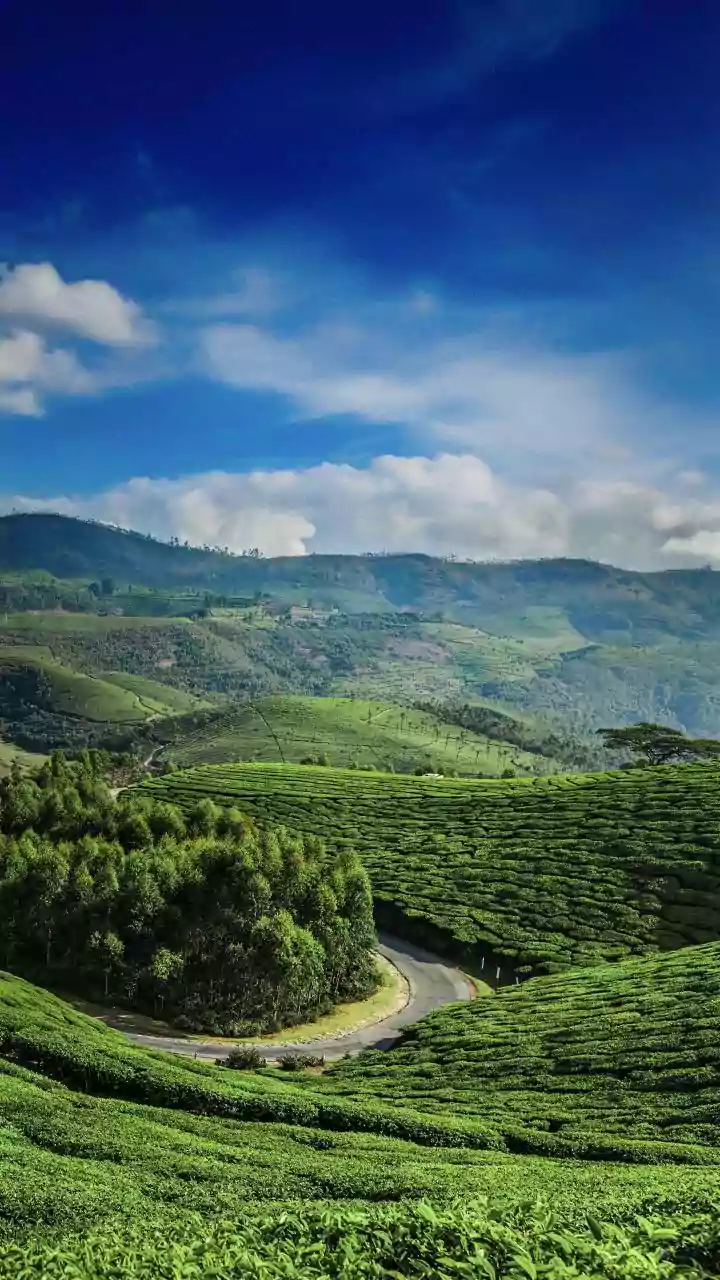
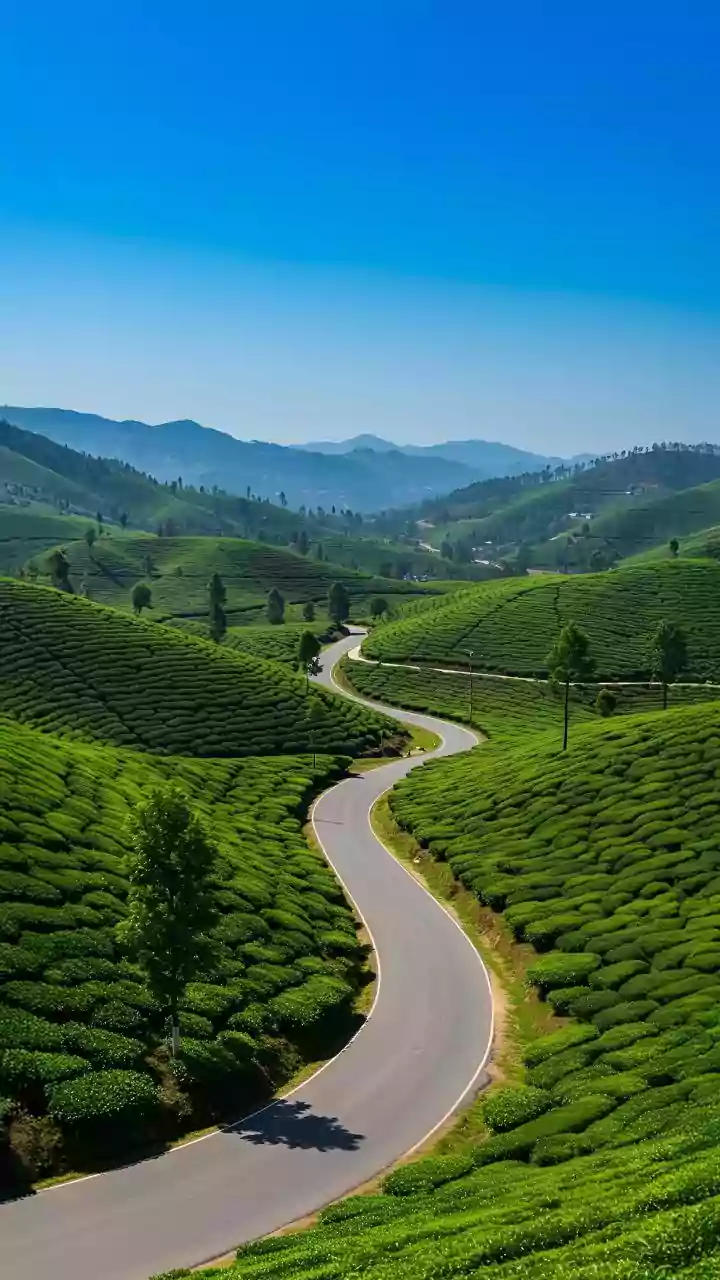
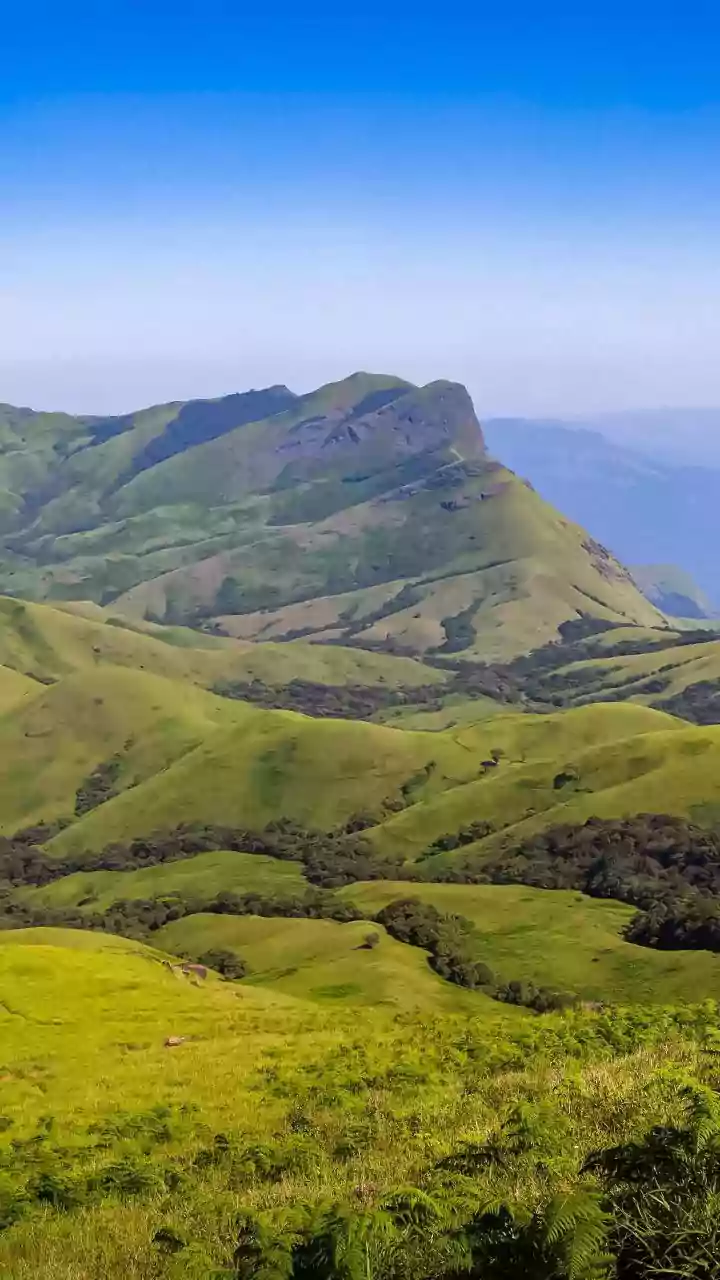
Older than the Himalayas, the Western Ghats are a UNESCO World Heritage site and one of the world's most important biodiversity hotspots. This 1,600-kilometre-long mountain range is home to thousands of plant and animal species, many of which are found
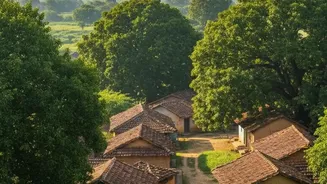
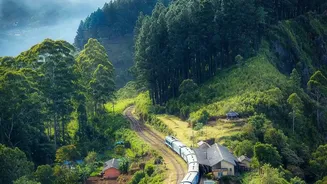
nowhere else on Earth. While popular hill stations have long been a draw, a new kind of travel is emerging on its quieter, less-travelled slopes. Here, tucked away in coffee plantations, spice gardens, and pristine forests, are eco-stays designed for minimal impact and maximum immersion. These are not just hotels, but destinations in themselves, offering a chance to disconnect from urban chaos and reconnect with the natural world in a profound way.
The Symbiotic Spirit of Eco-Stays
The philosophy behind these retreats is a powerful, symbiotic one. They operate on the principle that tourism, when managed responsibly, can be a force for good. For the traveller, they offer an authentic experience—a 'slow travel' approach focused on mindful appreciation rather than a frantic checklist of sights. For the environment, they provide a crucial line of defence. By choosing to stay in these places, visitors contribute directly to the conservation of a fragile ecosystem. This model proves that luxury can be sustainable and that a weekend getaway can have a lasting, positive impact. The stays themselves often engage in reforestation projects, practice stringent waste and water management, and are built using local, sustainable materials to blend into the landscape.
How Your Visit Actively Heals the Land
The support for the local eco-system is not just a passive benefit; it's an active process. Many of these stays are situated on working organic farms or restored plantations. They often function as custodians of the land, promoting agricultural practices that heal the soil and protect water sources. Guests might find themselves on a guided walk with a naturalist, learning how shade-grown coffee provides a habitat for birds or how cardamom is cultivated without disturbing the forest floor. These experiences foster a deeper appreciation for where our food comes from and the delicate balance required to produce it. This form of tourism helps fund the preservation of grasslands, forests, and crucial wildlife corridors for elephants, tigers, and the rare lion-tailed macaque.
Empowering Local Communities as Guardians
Sustainable tourism in the Western Ghats is also deeply tied to community empowerment. These eco-stays create jobs in rural areas, reducing the need for locals to migrate to cities for work. They prioritise hiring local guides, staff, and naturalists who possess generations of knowledge about the land. This ensures that the tourism experience is authentic and that income directly benefits the host community. Furthermore, these establishments often source their produce and goods from nearby villages, creating a vibrant local economy. By providing a stable livelihood linked to conservation, this model turns local communities into the most passionate guardians of their own environment, preserving both their cultural and natural heritage.
The Ultimate Reward for the Mindful Traveller
What does the traveller get in return? More than just a vacation. It's an opportunity for a true digital detox, where the only notifications come from birdsong. It’s the mental wellness that arises from waking up to fresh mountain air, eating farm-to-table meals, and walking through misty forests. This form of mindful travel offers a chance to learn, whether it’s about organic farming, local flora and fauna, or the art of doing nothing at all. The reward is a sense of peace and a deeper connection—to nature, to the food we eat, and to the people who grow it. It is the satisfaction of knowing your weekend escape is part of a larger, regenerative cycle.