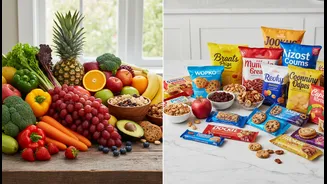









The Two Indias: Digital and Dietary
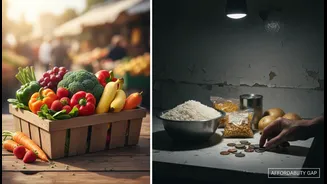
India is experiencing a profound transformation, but it's a tale of two vastly different realities. On one hand, urban households can have any cuisine delivered to their doorstep in minutes, browsing online for exotic ingredients and healthy recipes.
On the other, a significant portion of the population remains disconnected, not just from the internet, but from the opportunities it provides. This digital divide is no longer just about access to information or entertainment; it's becoming a critical factor in public health. For millions, a lack of reliable internet access directly impacts their ability to access diverse, nutritious food, creating a new form of inequality that starts on the screen and ends on the dinner plate.
What Is Dietary Diversity and Why Does It Matter?
Dietary diversity isn't about eating expensive or fancy foods. It’s the nutritional foundation of good health, measured by the variety of food groups you consume regularly. The National Institute of Nutrition recommends a balanced plate, but for a majority of Indians, this is far from reality. Diets are often heavily based on cereals, lacking sufficient fruits, vegetables, pulses, and proteins. This lack of diversity is a root cause of India's 'triple burden' of malnutrition: undernutrition and stunting coexisting with rising obesity and micronutrient deficiencies (or 'hidden hunger'). The consequences are severe, with poor diets linked to over half of the country's disease burden, including diabetes and heart disease.
How the Internet Shapes What We Eat
For those with access, the internet has become a powerful tool for improving nutrition. It provides a direct pathway to enhanced 'nutrition literacy'—the ability to find, understand, and use information to make healthy food choices. People can look up recipes, compare nutritional values, and learn about balanced diets. Furthermore, the boom in e-commerce and food delivery apps has, for some, expanded food accessibility. It's possible to order a wider variety of groceries online than what might be available in a local market, especially in smaller towns. However, this digital food environment is a double-edged sword. The same platforms can aggressively market unhealthy, processed foods high in fat, sugar, and salt, which are often cheaper and more convenient.
The Squeeze on Household Spending
Affordability remains the biggest barrier to a healthy diet for most Indians. Over 75% of the population cannot afford a diet that meets recommended nutritional adequacy. For low-income households, which spend a larger portion of their income on food, rising prices force difficult choices. The decision is often not between a healthy or unhealthy option, but between having enough food or not. While household spending on non-food items like durable goods is rising, indicating growing aspirations, the food budget is being squeezed. This economic pressure intersects with the digital divide. A family struggling to afford basics is unlikely to prioritise a smartphone and a data plan, locking them out of the digital tools that could potentially help them access better information or even cheaper food through online platforms.
A New Fault Line in Public Health
When you connect the dots, a clear picture emerges: digital inequality is exacerbating nutritional inequality. Households without internet access are doubly disadvantaged. Firstly, they are cut off from the wealth of nutritional information that can empower healthier choices. Secondly, they are excluded from the potential benefits of e-commerce, such as wider variety and competitive pricing, making them reliant on local markets with often limited options. The digital divide disproportionately affects rural populations, women, and lower-income groups, the very same demographics that already face the highest risk of malnutrition. As government services and health information increasingly move online, from the Poshan Tracker app to vaccine registrations, the digitally excluded risk being left further behind.