





The Roaring Success of Flagship Species
Recent data reveals significant triumphs, particularly for India's most iconic animals. The 2022 All India Tiger Estimation confirmed a population of 3,682 tigers, continuing a remarkable recovery trend. This success is largely attributed to decades of focused
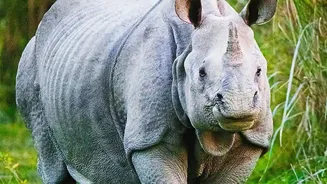
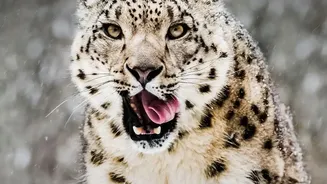
conservation under Project Tiger, which has established a network of 58 tiger reserves. Similarly, the Asiatic lion population in Gujarat grew from 674 in 2020 to 891 in 2025. Other species showing positive trends include the greater one-horned rhinoceros, with over 3,300 individuals, and the snow leopard, with an estimated population of 718 following the country's first nationwide assessment. These figures, celebrated in reports like the WWF's Living Planet Report 2026, position India as a beacon of hope against a backdrop of global wildlife decline. These successes demonstrate that dedicated, long-term conservation efforts, combining habitat protection, scientific monitoring, and anti-poaching measures, can yield impressive results.
A More Complicated National Picture
While charismatic megafauna grab headlines, the reality for many other species is more precarious. Of the 7,516 Indian animal species assessed for the IUCN Red List, over 1,000 are considered threatened. This figure represents only a fraction of India's total documented fauna, suggesting the full extent of the threat is not yet fully known. The Living Planet Report 2026 highlights that freshwater ecosystems are under extreme stress, with monitored populations globally showing the steepest decline at 85%. India's own first-ever river dolphin assessment, while establishing a baseline population of over 6,300, underscores the vulnerability of aquatic habitats. Critically endangered species like the Great Indian Bustard, with fewer than 140 individuals left, face the immediate threat of extinction primarily due to collisions with power lines. These disparities show that the 'umbrella' protection offered by tiger and elephant reserves does not automatically extend to all forms of wildlife, especially those outside protected areas.
The Pervasive Threat of Habitat Loss
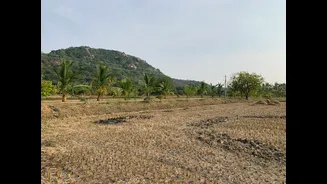
Across nearly all reports, the primary driver of wildlife decline is consistent: habitat loss and degradation. Infrastructure development, agricultural expansion, and urbanisation are increasingly fragmenting vital habitats and severing wildlife corridors. This forces animals into smaller pockets of land and closer to human settlements. According to one analysis, tiger habitats in India shrank by 45% between 2006 and 2021 due to infrastructure projects. The problem is compounded by invasive plant species like Lantana camara, which can degrade habitats even within protected forest boundaries, suppressing native plants that herbivores rely on. The increasing pressure on land is a direct cause of the spike in human-wildlife conflict, a growing challenge for conservationists and communities alike.
Human-Wildlife Conflict: The New Frontier
As populations of large animals like tigers, lions, and elephants grow and expand into human-dominated landscapes, conflict is becoming a major issue. Reports show that this conflict results in significant crop damage, loss of livestock, and, tragically, human and animal deaths. In 2023-24 alone, 629 human deaths were recorded from elephant attacks. Experts warn that this friction erodes local support for conservation, turning it from a biodiversity issue into one of rural security and livelihood. While some states report a decline in fatalities due to better response mechanisms, the sheer number of incidents is rising. This has led to calls for a new conservation model that moves beyond 'fortress conservation' in protected areas and actively manages coexistence in shared landscapes, making local communities genuine partners in the effort.
Policy and Funding: A Mixed Bag
India's policy framework, anchored by the Wildlife Protection Act of 1972, is robust. However, its implementation faces challenges. The recent administrative merger of Project Tiger and Project Elephant into a single division has raised concerns among experts about potentially diluted focus and unclear funding allocation for two species with very different conservation needs. Furthermore, while the overall budget for wildlife habitat development has seen a modest increase, funding specifically for Project Tiger and Project Elephant has reportedly declined in recent years, which could affect states' abilities to carry out on-ground activities. At the same time, new evaluation criteria are being introduced. For the first time, the 2026 management evaluation of tiger reserves includes solid waste management as a key parameter, acknowledging that pollution and garbage are growing threats to habitat integrity.