





A Mild, Natural Source of Nutrients
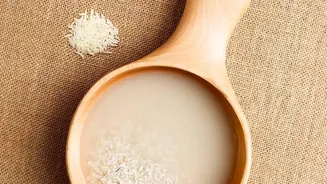
Rice water is not a complete fertilizer, but it serves as an excellent natural supplement. The milky liquid contains small but significant amounts of nitrogen, phosphorus, and potassium (NPK)—the three primary macronutrients essential for plant life.
It is also rich in starches, amino acids, and B vitamins that support overall plant vitality. Water from boiling rice tends to have a higher concentration of these leached nutrients than water from a simple rinse. When used regularly, this mild nutritional boost contributes to more robust foliage, stronger stems, and vibrant growth without the risk of chemical burn associated with synthetic fertilizers.
Enhances Beneficial Soil Microbes
One of the most significant benefits of rice water happens below the surface. The starches it contains are an excellent food source for beneficial microorganisms in the soil, such as bacteria and mycorrhizal fungi. These microbes play a crucial role in a healthy soil ecosystem. They help break down organic matter, which in turn makes nutrients more bioavailable for the plant's roots to absorb. A thriving population of these helpful microbes can improve soil structure, increase nutrient uptake, and even help suppress harmful pathogens, creating a healthier environment for your plants to grow.
Promotes Stronger Root Development
Healthy roots are the foundation of a healthy plant, and rice water can help give them the support they need. The phosphorus and potassium found in rice water are particularly important for root growth and function. Phosphorus aids in energy transfer and the development of a strong root system, while potassium helps regulate water uptake and enzyme activation. Furthermore, some studies indicate that the beneficial bacteria encouraged by fermented rice water can secrete hormones that directly stimulate root growth. This leads to a more extensive root network, allowing the plant to anchor itself better and access water and nutrients more efficiently.
Fermented for an Extra Boost
Allowing your rice water to ferment for a few days can significantly increase its benefits. The fermentation process enriches the liquid, increasing the concentration of nutrients by up to 50% or more. It also cultivates beneficial bacteria, like lactobacillus, which produce enzymes and organic acids. This slightly lowers the pH of the water, making it especially useful for acid-loving plants such as tomatoes, blueberries, and ferns. Research has shown that fermented rice water, especially when combined with a half-dose of regular fertilizer, can lead to plant growth and nutrient uptake comparable to a full-strength chemical fertilizer. To make it, simply let your rice water sit in a loosely covered jar for two to five days until it develops a slightly sour smell.
A Sustainable and Cost-Effective Practice
In a world where sustainability is increasingly important, using rice water is a simple way to reduce kitchen waste and garden more organically. Every time you make rice, you have a fresh supply of this free resource that would otherwise be discarded. By incorporating it into your plant care routine, you can decrease your reliance on store-bought chemical fertilizers, saving money and reducing your environmental footprint. It’s a perfect example of a circular economy in the home, turning a byproduct of cooking into a valuable input for your garden. This simple habit connects your kitchen to your garden in a practical and eco-friendly way.