




The Vanishing Treasure of True Darkness
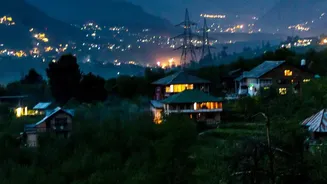
For most of us, a truly dark night sky is a thing of memory or imagination. The relentless glow of streetlights, buildings, and advertising has created a pervasive 'light pollution' that blankets our cities and towns, obscuring all but the brightest celestial
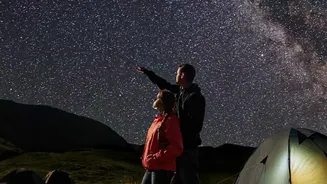
bodies. This loss is more than just aesthetic; it affects wildlife, human health, and our ancient connection to the universe. As a result, destinations that offer pristine, unpolluted night skies are becoming invaluable. These natural dark-sky locations are no longer just remote spots on a map; they are the front row seats to the greatest show in the universe, and travellers are beginning to seek them out with the same passion once reserved for sun-drenched beaches.
Spiti Valley: A Natural Observatory
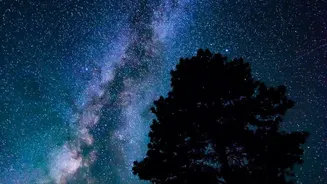
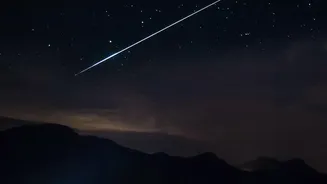
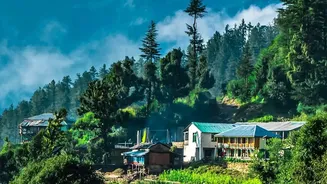
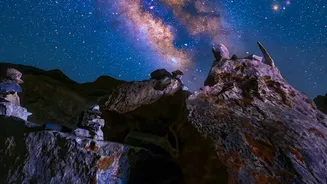
Enter Spiti Valley, a cold desert mountain valley nestled high in the Himalayas. Its geography makes it a natural paradise for stargazers. With villages situated at altitudes often exceeding 12,000 feet, the air is thin, dry, and free from the atmospheric haze that plagues lower regions. The valley's remote location and low population density mean there is minimal man-made light pollution to compete with the starlight. With over 250 clear nights a year, Spiti offers near-perfect conditions for viewing the Milky Way, distant galaxies, and meteor showers with stunning clarity, often with the naked eye. Villages like Kibber, Langza, Hikkim, and Kaza have long been known to intrepid travellers for their dramatic landscapes, but now their most valuable asset is the sky above.
Starlight as a Sustainable Livelihood
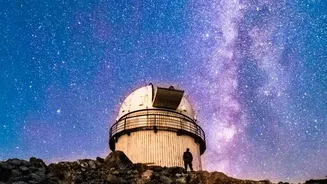
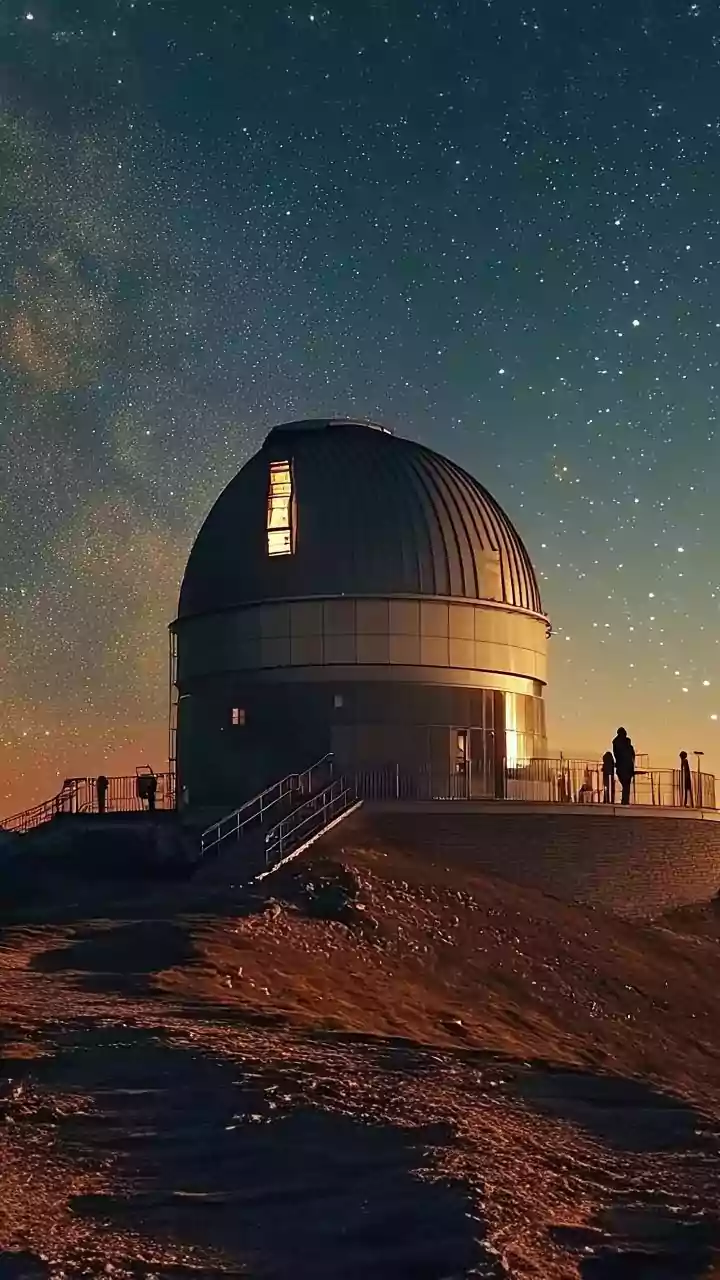
The true innovation lies in how local communities, supported by the state government, are turning this natural advantage into a sustainable economic opportunity. Instead of waiting for development that could bring light pollution, they are actively choosing to preserve their dark skies. A landmark government initiative was launched in Kaza, Spiti's administrative hub, to formally promote astrotourism. The program, spearheaded by the Himachal Pradesh Council for Science, Technology & Environment (HIMCOSTE), focuses on empowering the local tribal community. High-end computerised telescopes have been distributed to local youths and entrepreneurs in villages like Kaza, Langza, and Rangrik. The goal is to train them not just to operate the equipment, but to become astro-guides who can lead night-sky observation sessions for tourists.
An Economy Built on the Cosmos
This community-led model is transforming the local economy. It’s a powerful example of science and culture integrating to create new livelihoods. Homestay owners who once simply offered a room for the night are now part of a unique tourism ecosystem, providing guided stargazing experiences. This initiative gives tourists a deeper, more meaningful reason to visit and stay longer, strengthening the local economy in a way that respects the fragile environment. This movement is also supported by NGOs and private initiatives like AstroTribe, which work to train local guides in Himachal and Ladakh, helping them turn their pristine skies into a source of sustainable income while fostering a culture of conservation. It ensures that the benefits of tourism are rooted directly within the community.
How to Be a Responsible Stargazer
For travellers wanting to experience Spiti's celestial wonders, doing so responsibly is key to supporting these community efforts. The best time to visit for clear skies is between May and September. When visiting, opt to stay in community-run homestays that are part of the astro-tourism initiative. During night-time excursions, avoid using bright white flashlights; a red-light torch is the standard for preserving night vision and minimising light pollution. Engage with the local astro-guides for their tours. Their knowledge of the cosmos is matched by their understanding of the local landscape and culture, providing an enriching experience that goes far beyond just looking through a telescope. By being a mindful tourist, you directly contribute to the preservation of one of the last great dark-sky sanctuaries.