
Understanding the Late-Monsoon Season
The official rafting season is closed during the peak monsoon months of July and August for safety reasons. Operations typically resume in mid-to-late September after a joint inspection team from the Uttarakhand Tourism Development Board and other departments
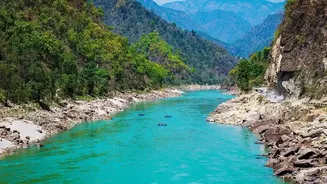
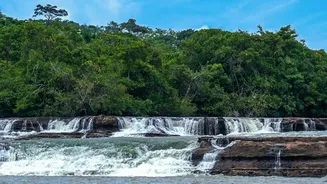
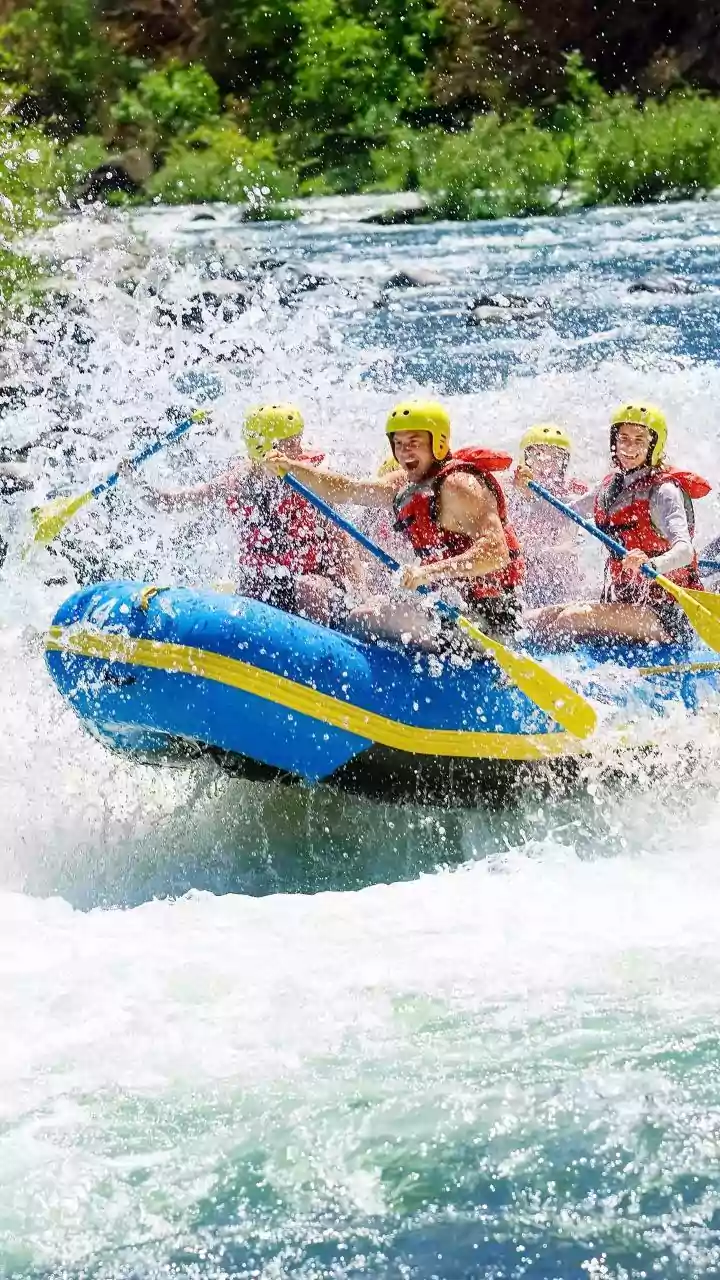
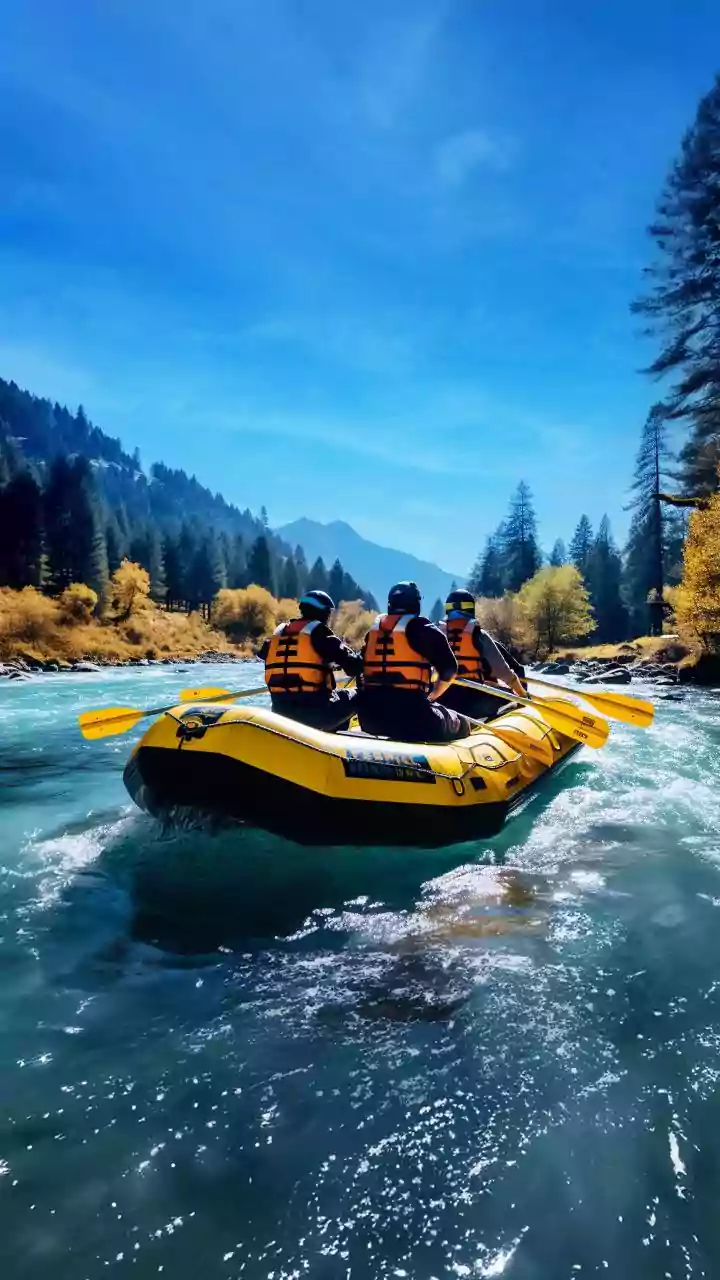
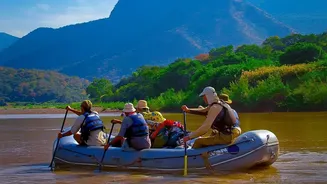
declares the river safe. This late-monsoon window (late September and October) is unique. The river is fuller and faster, making the rapids more powerful and exciting than in the winter months. While thrilling, this also means that safety precautions are more critical than ever. The surrounding hills are lush and green, and the crowds are often smaller than during the peak tourist season, offering a potent mix of adrenaline and natural beauty.
Choosing a Safe and Certified Operator
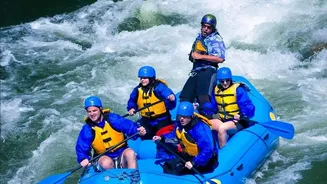
This is the most important decision you will make. In the rush to reopen, uncertified operators may try to lure tourists with cheap deals. Always choose an operator registered with the Uttarakhand government. Licensed companies provide certified guides trained in first aid and swift water rescue, along with high-quality, well-maintained equipment like rafts, helmets, and life jackets. Look for companies with established reputations and positive online reviews. A professional operator will always conduct a thorough safety briefing before you get on the water, explaining paddling commands and what to do if you fall in. Do not compromise on safety for a lower price.
Decoding the Budget: What to Really Expect
Rafting costs in Rishikesh vary based on the length of the river stretch. A short 9 km trip from Brahmpuri might cost around ₹600 per person, while the most popular 16 km stretch from Shivpuri typically ranges from ₹800 to ₹1,000. Longer, more challenging routes like the 26 km from Marine Drive can cost ₹1,500 or more. If a deal seems too good to be true—like ₹400 for a 16 km trip—be cautious. Such prices might indicate an unlicensed operator cutting corners on safety, guide experience, or equipment quality. Your fee should cover a certified guide, all necessary safety gear, and transport to the starting point. Ensure you clarify all inclusions before booking.
Know Your River Stretch
Rishikesh offers different stretches for varying skill levels, graded from I (easiest) to V (most difficult). During the post-monsoon season, the high water volume can make rapids feel a grade higher. Brahmpuri to Rishikesh (9 km): Features Grade I and II rapids. It's the best option for beginners, families with children (usually above 12-14 years), and those who are nervous about the water. Shivpuri to Rishikesh (16 km): The classic Rishikesh experience. This stretch includes famous Grade III and III+ rapids like 'Roller Coaster' and 'Golf Course' and is suitable for adventurous beginners and intermediate rafters. * Marine Drive to Rishikesh (26 km): A longer and more intense option with sustained Grade III and IV rapids. This is better suited for those with prior rafting experience and a good level of fitness.
Essential Gear and Personal Prep
Your operator will provide the raft, paddle, helmet, and life jacket, but what you wear makes a difference. Opt for quick-drying synthetic clothing like a t-shirt and shorts. Avoid cotton, as it gets heavy and cold when wet. Secure footwear like river sandals or old sneakers is a must; flip-flops will get lost. If you wear glasses, secure them with a strap. Pay close attention during the safety briefing, as your guide's instructions are crucial for a safe trip. Even if you're not a strong swimmer, you can raft on the easier stretches, but always inform your guide beforehand. Trust your life jacket—it is designed to keep you afloat.