







The Clear Winner on Cost
The most compelling argument for train travel is the price. A budget flight might seem affordable at first glance, but the final cost often swells with hidden fees for seat selection, meals, and check-in baggage. A flight from Delhi to Mumbai can easily
start at ₹3,500, and that's before you add baggage fees. In contrast, a comfortable AC 3-Tier berth on a Rajdhani for the same route can cost between ₹1,500 and ₹2,500, often including meals. For shorter distances under 600 kilometres, trains are almost always significantly cheaper. For example, a Third AC train ticket might cost between ₹800 and ₹1,200, while a budget flight for the same route could be ₹2,500 to ₹4,500. Overnight train journeys also save you the cost of a hotel room, adding to your savings.
Rethinking Your Travel Time
The notion that flying is always faster needs a closer look. While the flight itself is quick, the total travel time tells a different story. You need to travel to the airport, which is often located far outside the city, arrive two hours early for check-in and security, and then wait for your baggage upon arrival. A two-hour flight can easily become a five or six-hour ordeal from door to door. In comparison, railway stations are typically located in the city centre, making them much more accessible. You can arrive just 30 minutes before departure, settle into your seat, and begin your journey without the long queues and stressful procedures. For many city-to-city routes, the total time spent can be surprisingly comparable.
A New Era of Comfort and Experience
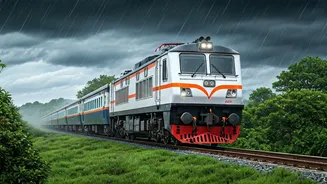
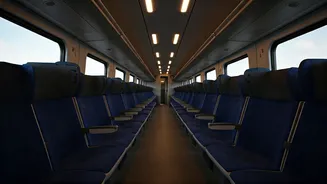
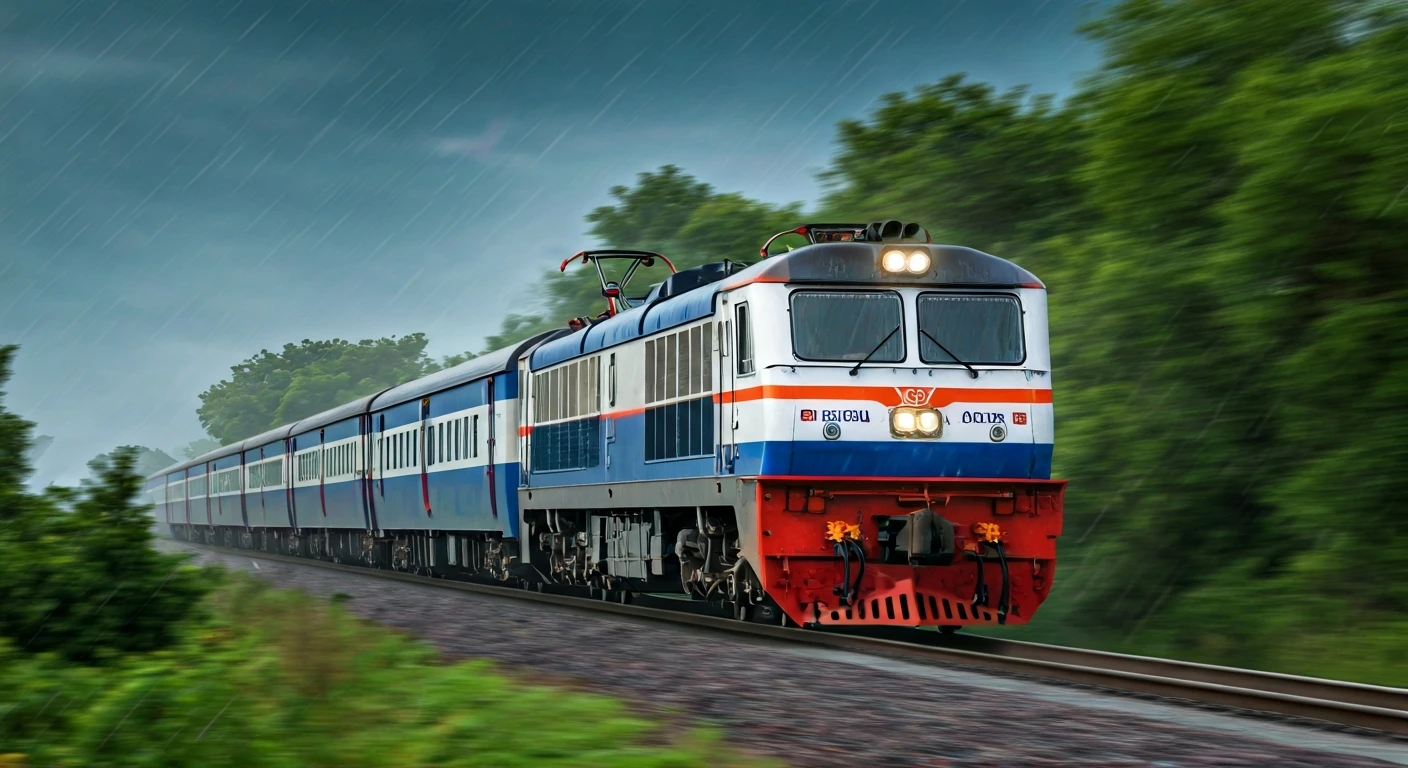
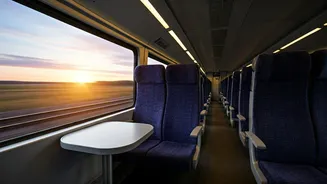
Indian Railways is no longer just about dusty compartments. The network is undergoing a massive transformation with the introduction of modern, semi-high-speed trains. Vande Bharat Express trains, now serving over 100 routes, offer a premium, air-conditioned chair-car experience with amenities like on-board infotainment and rotating seats. Many of these comfortable journeys come at a reasonable price, with several routes costing under ₹1,500. For longer, overnight trips, the new Vande Bharat Sleeper trains are being rolled out, promising enhanced comfort with better-cushioned berths, modern interiors, and improved privacy. Even on regular express trains, the AC coaches provide spacious seats, ample legroom, and the freedom to walk around—a luxury you won't find on a cramped flight.
The Journey as the Destination
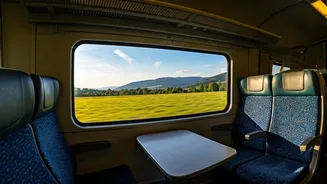
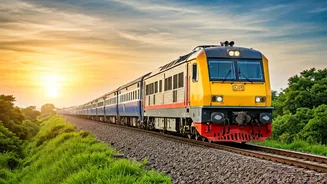
Train travel offers an immersive experience that flying can never match. It gives you a front-row seat to India's stunning and diverse landscapes, from verdant rice paddies and tea gardens to rugged mountains and coastal vistas. A flight offers a view of the clouds, but a train journey allows you to watch the country unfold right outside your window. There's a unique social aspect to it as well; you can interact with fellow travellers, share stories, and get a feel for the local culture. The slower pace allows you to unwind, read a book, listen to music, or simply watch the world go by, turning the journey itself into a memorable part of your trip.
Practical Perks You Can't Ignore
Beyond the big picture, trains win on several practical fronts. Baggage allowance is one of the most significant. Airlines are notoriously strict, charging hefty fees for anything beyond a small cabin bag and a 15 kg check-in limit. On a train, you can carry substantial luggage without incurring extra charges, which is a huge advantage for families or those on longer trips. Furthermore, trains are a more environmentally friendly mode of transport, with significantly lower carbon emissions per passenger compared to planes. In an era of increasing climate consciousness, choosing the train is a responsible choice for the planet.