



Meet the Burnt Beauty
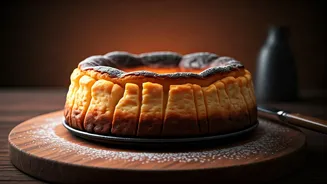
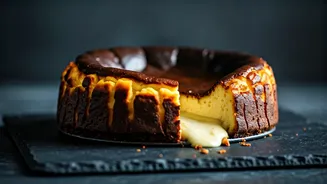
First, let's address the elephant in the room: it looks burnt. And that’s the entire point. The Basque cheesecake is the antithesis of the pristine, pale, and perfect New York cheesecake we grew up with. It boasts a deeply caramelised, almost blackened
top, cracked and rugged edges, and no crust to speak of. Cut into it, and you're rewarded with an interior that is impossibly creamy, custardy, and melts in your mouth. The flavour is a masterful balance of sweet, tangy cream cheese and a slightly bitter, smoky note from its scorched top. It's a dessert that’s intentionally imperfect, and in a world obsessed with flawless presentation, its rustic charm is a breath of fresh air.
From a Spanish Bar to Your Feed
This global phenomenon has humble origins. It was born in the 1990s at a single, unassuming bar called La Viña in San Sebastián, a city in Spain's Basque Country renowned for its culinary scene. For decades, it remained a local secret. Then, the internet discovered it. Food bloggers, travelling chefs, and eventually, a viral New York Times recipe in 2019, catapulted the 'tarta de queso' into global stardom. The timing was perfect. As the world went into lockdown in 2020, a wave of home baking took over. The Basque cheesecake, with its simple ingredient list (cream cheese, sugar, eggs, cream) and forgiving, no-fuss technique, became the perfect pandemic project. It didn't require a water bath or special equipment, and if it cracked or burnt, you were just doing it right.
The Secret to Its Staying Power
But why has it outlasted other lockdown trends like Dalgona coffee or banana bread? The answer lies in its unique appeal. Firstly, it’s genuinely delicious. The complex flavour profile appeals to a more mature palate that enjoys a balance of sweet, tangy, and even bitter. Secondly, its aesthetic is perfectly suited for the social media age, but in a counter-intuitive way. In a sea of overly manicured, brightly coloured desserts, its dark, moody, and rugged look stands out. It’s photogenic without being try-hard. This “perfectly imperfect” vibe resonates with a generation tired of chasing unattainable standards. It's a dessert that tells you it's okay not to be perfect. Finally, its texture is sublime — a cross between a classic cheesecake, a Japanese jiggly cheesecake, and a crème brûlée, offering a novel experience that keeps people coming back.
The Great Indian Adaptation
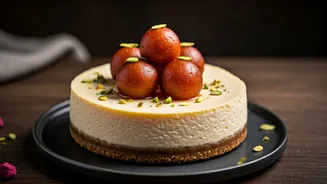
When the trend arrived in India, it didn't just land; it was embraced and reimagined. Initially a staple in high-end patisseries and home baker businesses in Mumbai, Delhi, and Bengaluru, it has now become a common sight in cafes across the country. Indian chefs and bakers, never ones to just copy a trend, immediately started putting their own spin on it. The classic version is still the most popular, but the cheesecake has proven to be a fantastic canvas for local flavours. You can now find Biscoff-topped Basque cheesecakes, versions infused with the delicate flavours of rose and pistachio, festive thandai-spiced creations for Holi, and even savoury-leaning matcha and pandan variations. This adaptability has cemented its place on Indian menus, ensuring it evolves with local tastes rather than fading away.