





The Traditional Research Time Sink
Before a single pixel is placed, every design project begins with research. For freelancers, this traditionally involves a manual and often meandering process. It means hours spent scrolling through platforms like Pinterest and Behance, saving hundreds
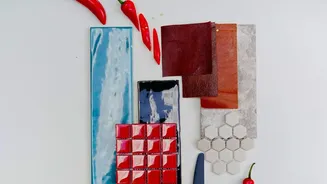
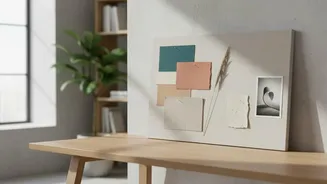
of images, and painstakingly organizing them into folders. The goal is to distill a client's brief into a tangible visual direction by creating mood boards that capture the desired aesthetic, from color palettes and typography to overall composition. This process, while essential for aligning with the client and setting a project up for success, is a significant drain on billable hours. It's often difficult to quantify this exploratory work for a client, meaning the time spent searching, curating, and organizing directly impacts a freelancer's profitability on a project.
Automating Inspiration with AI
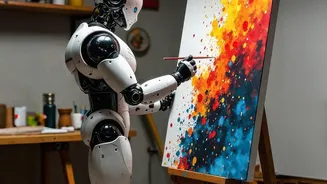
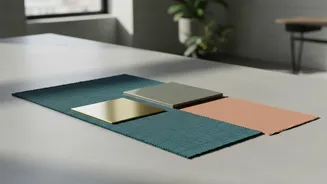
AI workflow software transforms this initial, time-consuming phase by automating the generation of ideas. Instead of manually searching for inspiration, a designer can now input a simple text prompt. For example, typing “a moody, minimalist brand identity for a high-end coffee shop with a focus on natural textures” can instantly generate a curated mood board. These AI-generated boards are not just random collections of images; they are cohesive visual stories that include suggestions for color schemes, textures, and even typographic styles. This capability compresses what could be a full day of research into just a few minutes, providing a robust starting point that the designer can then refine. It allows freelancers to present clients with several distinct visual directions early in the process, making for a more collaborative and efficient kickoff.
Smarter Curation and Asset Management
Beyond initial idea generation, AI excels at the more granular tasks of research and organization. Many design software platforms now integrate AI features that automate tedious processes that were once done by hand. This includes tools that can automatically remove backgrounds from images, resize assets for different platforms, or apply consistent styles across a batch of visuals. Furthermore, AI-powered search is becoming far more sophisticated. Instead of relying on simple keywords, designers can use natural language to find exactly what they need, like asking an AI assistant to “find images with a serene but corporate feel.” The software can analyze vast libraries of images, tag them with descriptive attributes, and identify visual patterns, helping a designer build a collection of on-brand assets much faster.
Bridging Research and Execution
The most advanced AI workflow tools don't just stop at research; they help bridge the gap between the mood board and the actual design. Some platforms can take a curated mood board and use it to generate initial design templates or layout options. This might involve suggesting font pairings that match the aesthetic of the mood board or creating several color palette variations based on the core images. By automating these foundational steps, the software frees up the designer to focus on the more strategic and creative aspects of the project, such as storytelling and concept development. AI acts as a highly capable assistant, handling the repetitive setup work and allowing the human designer to apply their expertise, taste, and intuition to refine the final product.
The Freelancer's Competitive Edge
For a freelance graphic designer, integrating AI into the visual research process offers a significant competitive advantage. The time saved directly translates into increased productivity, enabling a designer to take on more projects and increase their income. Faster turnarounds on initial concepts can lead to higher client satisfaction and more efficient project timelines. Presenting AI-generated mood boards also adds a layer of data-driven professionalism to client presentations, showing that the proposed direction is based on a broad analysis of styles. While it's important to remember that AI is a tool to augment creativity, not replace it, its impact on workflow efficiency is undeniable. By embracing these technologies, freelancers can streamline the most tedious parts of their job, freeing them up to do what they do best: create compelling, original designs that solve their clients' problems.