

More Than Just a Condiment
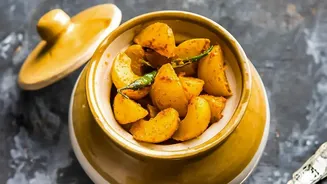
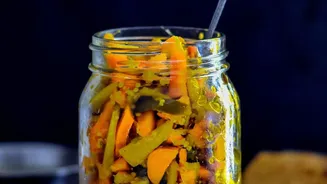
In India, a pickle is far more than a simple side dish to spice up a meal of dal and rice. Known as 'achar', 'pachadi', 'uppinakaayi', or 'athanu' depending on the region, pickles are a fundamental part of the culinary fabric. They are a testament to the art of preservation,
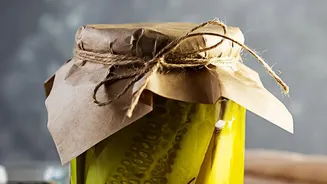
a tradition developed over thousands of years to make seasonal produce last through the year. This practice is a cherished ritual in many households, where recipes are passed down through generations, each jar a vessel of family history and love. More than just food, these pickles are a cultural touchstone, often shared during festivals and ceremonies as a symbol of hospitality and community.
A Taste of the Land
The incredible diversity of Indian pickles is a direct reflection of the country's varied geography and climate. What grows in a region naturally finds its way into its pickles. The dominant oil (mustard in the north, sesame in the south), the souring agent (raw mango, tamarind, lime), and the local variety of chilli all contribute to a pickle's unique identity. From the sun-drenched plains of Rajasthan to the humid coasts of Kerala and the mountainous terrain of the Northeast, each region has perfected preservation methods that suit its environment, resulting in hundreds of distinct flavour profiles.
Fiery and Floral from the South
Travel to Andhra Pradesh and Telangana, and you'll encounter Gongura Pachadi, a pickle that is a cultural icon. Made not from a fruit or vegetable but from gongura, or sorrel leaves, it has an intensely sour and tangy flavour that is uniquely its own. There are two varieties of the leaf, but the red-stemmed version, which is more sour, is preferred for pickling. Cooked with fiery red chillies, garlic, and spices, this pickle is a staple in every Telugu household and is considered a must-have at weddings and festivals, perfectly embodying the region's love for bold, spicy food.
Sweet and Savory from the West
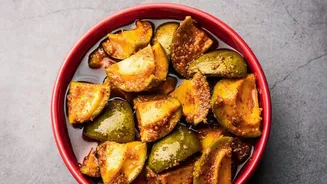
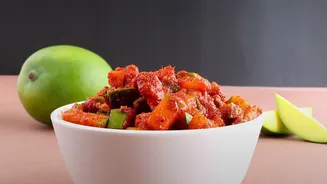
In Gujarat, the palate often leans towards a delightful balance of sweet, sour, and spicy. This is perfectly captured in pickles like Methia Keri Athanu. The name itself breaks down the ingredients: 'methia' for fenugreek seeds and 'keri' for raw mango. Unlike the purely fiery pickles from other regions, Gujarati mango pickles often incorporate jaggery or sugar, which complements the tartness of the mangoes and the slight bitterness of the fenugreek. Combined with split mustard seeds and chilli powder in a mustard oil base, the result is a complex condiment that is sweet, tangy, and warmly spiced all at once.
Pungent and Powerful from the Northeast
The Northeast offers a completely different world of pickles, often featuring ingredients and techniques not commonly found elsewhere. In Assam, the legendary Bhoot Jolokia, or ghost pepper, finds its way into an intensely fiery pickle. Revered for its pungent heat and unique aroma, this pickle is not for the faint of heart. Another regional specialty is the bamboo shoot pickle. Young, tender bamboo shoots are often fermented before being mixed with mustard oil, chillies, and spices. This fermentation process gives the pickle a distinctive sour and earthy aroma, showcasing a preservation technique that is central to the region's cuisine.