






The Monsoon Craving Trap
There's something deeply ingrained in our culture about the rain and fried food. A plate of crispy samosas, bhajis, or kachoris feels like the perfect companion to a grey, drizzly day. This isn't just in your head; it’s an emotional and sensory connection.
The warmth, the crunch, and the rich, fatty flavours offer a feeling of cosiness and indulgence that cuts through the dampness. This craving is often more about mood than hunger. It’s a desire for comfort, a nostalgic pull towards shared family moments and street-side chai breaks. But while our hearts say yes, our digestive systems, labouring under the strain of heat and humidity, are often pleading for a lighter load.
Your Body's Seasonal Clock
Our bodies are incredibly attuned to the seasons, even if our modern lifestyles insulate us from them. In winter, our metabolism naturally fires up to generate more heat and keep us warm. This is when the body is best equipped to break down dense, high-fat, and calorie-rich foods. Think of it as stoking a furnace. Come summer and the monsoon, the opposite is true. The body’s primary goal is to stay cool. The digestive fire, or 'agni' as described in Ayurveda, is considered weaker because the body is diverting energy towards cooling mechanisms like sweating. Loading up on heavy, oily foods forces your digestive system to work overtime, which can generate excess heat and lead to feelings of lethargy, bloating, and acidity. It’s counterproductive to what your body is trying to achieve.
Lighten Up Your Favourite Snacks
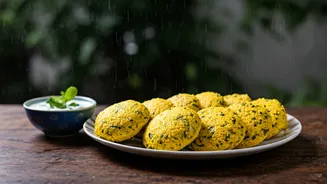
This doesn't mean you have to abandon your beloved comfort foods entirely. The key is adaptation. Instead of deep-frying, explore other cooking methods that deliver flavour without the fat overload. An air fryer can produce wonderfully crisp samosas and cutlets with a fraction of the oil. You can bake vegetable tikkis on a sheet pan until they are golden brown. For pakoras, try making a non-fried version like a 'muthiya' (steamed gram flour and vegetable dumpling) or a Paniyaram/Appe, which uses a special pan with very little oil. The goal is to retain the familiar spices and textures while reducing the oily component that weighs you down in humid weather.
Embrace Monsoon Superstars
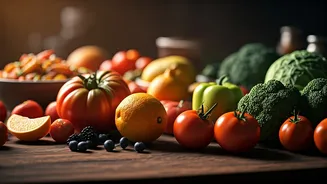
Nature is smart; it provides exactly what we need, when we need it. The monsoon brings a bounty of vegetables that are light, easy to digest, and full of water. Gourds like lauki (bottle gourd), turai (ridge gourd), and parwal (pointed gourd) are excellent choices. They are hydrating and low in calories. Corn (bhutta) is a quintessential monsoon snack, and it’s fantastic when simply roasted or boiled with a squeeze of lime and spices. Leafy greens, if washed thoroughly, are also great. These ingredients can be turned into light stir-fries, flavourful soups, or simple subzis that nourish you without making you feel sluggish.
Rethink Your Go-To Curries
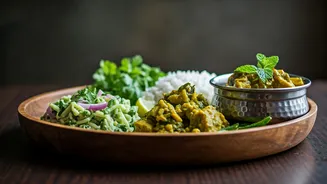
The same logic applies to main courses. Rich, creamy gravies made with cashews, cream, and a lot of oil are delicious, but they are winter food. For the warmer months, shift your focus to lighter bases. Yogurt-based curries like 'kadhi' are tangy, light, and excellent for digestion. Tomato and onion-based gravies, made with minimal oil, provide a robust flavour without the heaviness. Soupy dals and light broths like 'rasam' are not only comforting but also help in hydration and clearing congestion, which is common during the monsoon. Cooking with cooling spices like fennel, coriander, and mint can also help balance the body’s temperature.