




The Post-Monsoon Shift
September marks a transitional period for India's weather. The southwest monsoon, which brings months of heavy rainfall, begins its withdrawal. This year, meteorological models suggest that rainfall could be below normal for the month across large parts
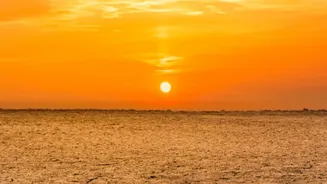
of the country. While some regions might still experience normal to above-normal showers, the broader trend points towards reduced precipitation and higher-than-average maximum temperatures. This shift away from the damp, overcast days of the monsoon to clearer, sunnier skies is what sets the stage for a different kind of warmth.
Why Dry Air Can Feel Hotter
It seems counterintuitive. We often associate oppressive heat with high humidity—that sticky, suffocating feeling where the air feels thick. Humid heat is uncomfortable because the high moisture content in the air prevents our sweat from evaporating efficiently. Sweat is the body's primary cooling mechanism; as it evaporates, it takes heat away from our skin. When that process is hindered, we feel hotter. However, dry heat presents a different challenge. With less moisture and fewer clouds, the sun's radiation beats down more directly. While your sweat evaporates much faster in dry air, which can provide a cooling sensation, the air temperature itself can climb higher. This intense, radiant heat, combined with the risk of rapid dehydration because you may not notice how much you're sweating, can make the heat feel particularly sharp and draining.
The Urban Heat Island Magnifier
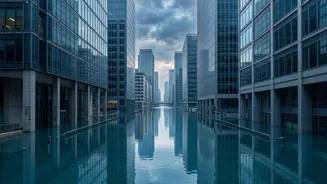
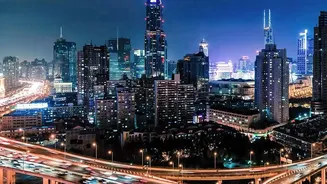
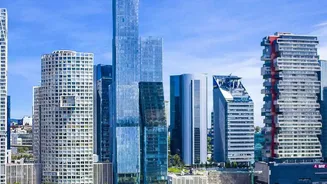
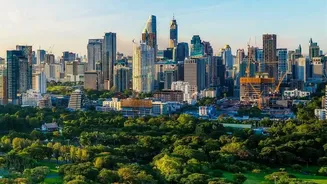
This effect is expected to be most noticeable in India’s cities. Urban areas are already warmer than their rural surroundings due to the Urban Heat Island (UHI) effect. Materials like concrete, asphalt, and dark roofing absorb and retain solar energy far more than natural landscapes. This stored heat is then radiated back into the environment, especially at night, preventing cities from cooling down. During a dry spell with clear skies, this process goes into overdrive. The lack of cloud cover allows for maximum solar absorption during the day. Dense buildings trap heat and block cooling breezes, further intensifying the already high temperatures in cities like Delhi, Ahmedabad, Mumbai, and Bengaluru. This can make the perceived temperature in a crowded urban core significantly higher than in a leafy suburb just a few kilometres away.
Managing a Different Kind of Heat
Adapting to this dry, radiant heat requires a slightly different approach than managing humid conditions. The biggest risk is dehydration, which can happen surprisingly quickly because sweat evaporates so fast you might not feel it. It is crucial to drink water consistently throughout the day, even before you feel thirsty. Wearing light-coloured, loose-fitting cotton clothing can help reflect sunlight and allow air to circulate. It's also wise to limit direct sun exposure during peak hours, typically between 10 a.m. and 4 p.m. Using simple methods like taking cool showers, using wet cloths on the skin, and keeping curtains drawn to block sunlight can help manage indoor temperatures without solely relying on air conditioning.