






The Problem with Traditional Warnings
Traditionally, flood warnings have been a reactive and often manual process. Authorities would rely on meteorological forecasts, reports from upstream areas, and manual measurements of river levels. While these methods are better than nothing, they come
with significant time lags. Information has to be collected, relayed, verified, and then disseminated to the public. In the case of sudden, intense downpours leading to flash floods, this system is often too slow to provide the timely warnings needed for effective evacuation and protection of property. By the time a definitive warning is issued, it can be too late for those in the direct path of the rising waters. This delay is the critical window where lives and livelihoods are most at risk.
Enter the Internet of Things (IoT)
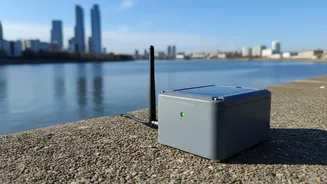
The Internet of Things, or IoT, refers to a network of physical devices embedded with sensors and software that connect and exchange data with other devices and systems over the internet. Think of smart home devices, but applied to public infrastructure. In the context of flood management, this means deploying rugged, often self-powered sensors in rivers, reservoirs, drainage systems, and floodplains. These are not just simple water-level gauges; they are smart devices capable of measuring data points like water level, flow rate, and pressure in real-time. This network of sensors forms a digital nervous system, constantly monitoring the health of a region's waterways.
How IoT Delivers a Faster Alert
The key advantage of IoT sensors is their ability to provide continuous, automated, and immediate data. Unlike manual checks, these sensors transmit information every few minutes, or even seconds. This constant stream of data is fed into a central platform. When a sensor detects that water has risen past a pre-defined critical threshold, it doesn't wait for human intervention. It automatically triggers an alert. This alert can be sent directly to disaster management officials and, in many systems, can trigger public warning sirens, send mass SMS alerts to residents in vulnerable areas, and update emergency response teams instantly. This removes the human delay from the detection-to-warning process, shrinking the alert time from hours to mere minutes.
Smarter Warnings with Data Analytics
The power of IoT goes beyond simple threshold alerts. The vast amount of data collected by these sensors can be analysed using artificial intelligence (AI) and predictive analytics. By comparing current data with historical flood patterns, the system can not only warn about current dangers but also forecast how a flood might progress in the coming hours. It can predict which specific areas will be inundated and when the peak will arrive. This level of granular detail allows authorities to conduct more targeted and efficient evacuations, close specific roads before they become impassable, and pre-position emergency resources with far greater accuracy. It transforms flood response from a reactive scramble into a proactive, data-driven strategy.
Real-World Impact and the Path Forward
Across India, several cities and states are already implementing IoT-based flood monitoring systems. These initiatives are proving their worth by providing authorities with the crucial lead time needed to mitigate disaster. From urban centres prone to waterlogging to vast river basins, these sensor networks are becoming an essential component of modern disaster management infrastructure. While the initial setup requires investment in technology and infrastructure, the cost-effectiveness comes from the reduction in damages and, most importantly, the protection of human lives. The future will likely see these networks become more widespread and integrated, creating a national grid of environmental monitoring that keeps communities safer.