







A pet is no longer just a pet; it's a family member. This cultural shift in urban India is doing more than just filling homes with furry companions—it's actively reshaping the very blueprints of the apartments we live in.
A New Family Member in Urban India
The past decade has witnessed
a dramatic transformation in how urban Indian households view pets. The pet population has surged, with estimates showing an increase from around 26 million in 2019 to over 32 million in 2024. This boom isn't just about numbers; it's about a fundamental change in mindset. Driven largely by millennials and Gen Z, pets are now seen as children, and owners as 'pet parents'. This humanisation of pets means companionship is prioritised, and owners are willing to invest significantly in their well-being. This has fueled a premium pet care market for high-end food, grooming, and healthcare, and now, it's influencing one of the biggest purchase decisions of all: the family home.
From Conflict to Co-existence
For years, apartment living in India has been a source of friction for pet owners. Conflicts in Resident Welfare Association (RWA) WhatsApp groups over barking, lift usage, and hygiene have been a common, stressful reality. Many societies imposed restrictive, and often legally questionable, bye-laws, such as banning pets from lifts or charging extra fees. However, as pet ownership became more mainstream and legally protected by bodies like the Animal Welfare Board of India (AWBI), a slow but steady shift began. Developers started to realise that instead of being a problem to be managed, the growing demographic of affluent pet owners was a market to be won.
The Blueprint for a Pet-Friendly Home
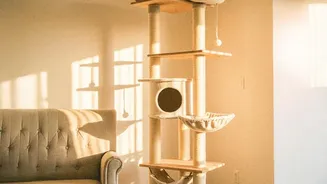
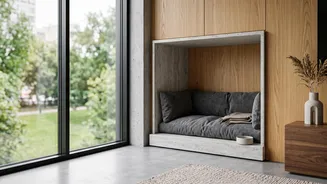
In response, forward-thinking real estate developers are now integrating pet-friendly features directly into their designs. This goes far beyond simply allowing pets. New projects are being marketed with amenities specifically for animal companions. Inside the apartments, this translates to practical design choices like scratch-resistant and easy-to-clean flooring materials such as ceramic tiles or luxury vinyl instead of hardwood. Some developers are also considering chew-proof materials for low-level fixtures and integrating spaces for pet beds into cabinetry. The concept, sometimes dubbed 'barkitecture', focuses on creating a home that is safe, durable, and comfortable for both humans and animals.
Beyond the Apartment Door
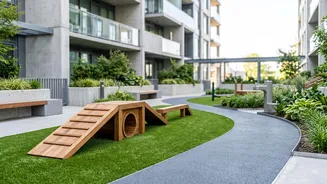
The innovation extends into the common areas of new residential complexes. Recognising that pets need space to exercise and socialise, developers are creating dedicated amenities. These include secured dog parks or pet runs, designated walking trails, and even pet washing stations or 'pet spas' for easy grooming. Projects by developers like Lodha, Puravankara, and Mahindra Lifespaces now highlight these features as key selling points. These amenities not only cater to the pet's needs but also signal a welcoming community attitude, turning a potential point of conflict into a desirable lifestyle feature. Some projects even ensure proximity to veterinary clinics and pet stores as part of their planning.
A Smart Business Move
This shift is not just about accommodating animal lovers; it's a savvy business strategy. By catering to pet owners, developers tap into a growing and dedicated market segment that is often willing to pay a premium for a home that fits their lifestyle. In a competitive real estate market, offering a genuinely pet-friendly environment has become a significant differentiator. It attracts a demographic that views their home as a holistic living space for their entire family, paws included. As one developer noted, it's about recognising that for many, a house only feels like a home with their pet in it, and the real estate industry is finally listening.