




The Dangers of an Unsecured Window
The simple joy of fresh air or a sunbeam can turn dangerous in an instant. For cats, especially those in apartments, falls from even a second-story window can lead to a condition vets call "high-rise syndrome." This term describes the severe injuries,
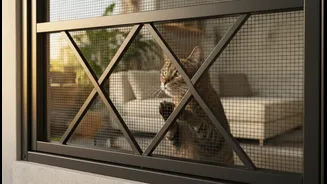
including broken bones and internal trauma, that can occur from such falls. Contrary to popular belief, cats don't always land on their feet, and a fall from a lower height can sometimes be more dangerous as it doesn't give them enough time to right themselves. For both cats and dogs, a flimsy screen or a wide opening is also an invitation to escape. A startling noise or the sight of a squirrel can trigger a chase instinct, leading a pet to push through a screen and become lost or injured outside.
Upgrade to Pet-Resistant Screens
A standard insect screen is not designed to withstand the weight or persistence of a pet. They are often made of lightweight fiberglass that can be easily torn by claws or pushed out of the frame. The first and most crucial line of defence is to install heavy-duty, pet-resistant screens. These are typically made from a vinyl-coated polyester mesh that is up to seven times stronger than standard screening material. This durable material can resist scratching, clawing, and pushing from both cats and dogs, giving you peace of mind when you open your windows for a breeze. Many companies offer custom-sized pet screens to ensure a perfect, secure fit for your specific windows.
Install Guards and Opening Limiters
For an even higher level of security, consider physical barriers. Window guards are sturdy metal grilles or clear acrylic panels that attach to the window frame, providing a solid barrier that prevents any possibility of a pet squeezing through. These are excellent options for high-rise buildings or for particularly determined pets. Another simple yet highly effective solution is a window opening limiter or restrictor. These devices attach to the window and only allow it to open a few inches—wide enough for airflow but too narrow for a pet to fit through. This allows you to enjoy fresh air without the constant worry of an accident.
Check Cords and Sills
A truly pet-safe window area goes beyond just preventing falls. Dangling cords from blinds and shades pose a serious strangulation risk to curious pets, especially cats who love to play with string-like objects. Opt for cordless blinds or use cord cleats to wrap up any loose cords and keep them safely out of reach. It's also wise to consider the window sill itself. If your pet frequently lounges by the window, they can scratch and damage wooden sills over time. Protecting the sill with a durable, scratch-resistant cover or a comfortable, washable pad can preserve your window frame while giving your pet a designated, safe spot to relax.
Regular Maintenance and Supervision
Once you've installed your pet-proofing measures, the job isn't quite done. It's important to regularly inspect your screens, guards, and locks to ensure they remain secure. Check for any signs of wear and tear, loose fittings, or new gaps that may have formed. Even with the best precautions in place, supervision is key. Never leave a pet unattended for long periods with a window wide open, especially if they are new to the home or have a history of trying to escape. By combining secure hardware with mindful habits, you can create a window area that is a source of enrichment for your pet, not a risk.