
The Classic: Sabudana Khichdi
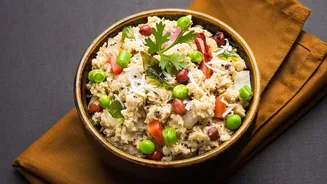
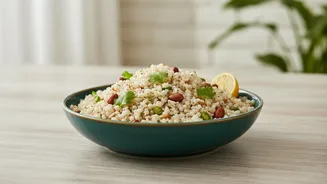
A staple in every fasting kitchen, Sabudana Khichdi is the ultimate comfort food for a reason. Made from soaked tapioca pearls, this dish is both light on the stomach and incredibly satisfying, offering a perfect balance of carbohydrates and protein to start
your day. The key to a perfect, non-sticky khichdi lies in the soaking process; using a 1:1 ratio of sabudana to water and soaking for at least five hours yields fluffy, separate pearls. To prepare, heat some ghee and temper it with cumin seeds, green chillies, and curry leaves. Add cubed boiled potatoes and roasted peanuts for crunch and texture. Finally, add the drained sabudana, season with sendha namak (rock salt), and cook until the pearls turn translucent. A squeeze of lemon juice at the end brightens the flavours and helps keep the pearls from clumping.
The Hearty Meal: Kuttu Ki Puri with Aloo Sabzi
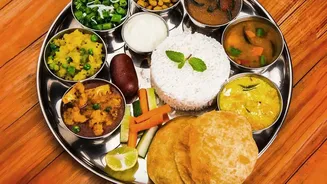
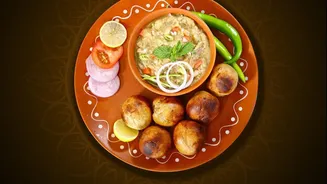
For a more substantial breakfast, nothing beats the combination of crispy Kuttu ki Puri and a simple Aloo Sabzi. Kuttu ka atta, or buckwheat flour, is a gluten-free flour permitted during Hindu fasts that has a distinct nutty flavour. While many recipes use boiled and mashed potatoes as a binding agent, you can also make a lighter version by kneading the flour with hot water. The hot water helps gelatinise the flour, making the dough pliable and easy to roll. For the sabzi, a simple curry made with boiled potatoes, tomatoes, ginger, and green chillies seasoned with sendha namak and black pepper is the perfect accompaniment. Since buckwheat is known to generate warmth in the body, pairing it with a cooling side like yogurt is also a great idea.
The Light Option: Samak Dosa or Cheela
If you're looking for a lighter alternative to deep-fried puris, a cheela (savoury pancake) or dosa made from fasting-friendly flours is an excellent choice. Samak rice, also known as barnyard millet, is a popular grain substitute during vrat. You can create an instant dosa batter by grinding soaked samak rice into a paste. Some recipes also combine it with singhara atta (water chestnut flour) or rajgira atta (amaranth flour) for a crispier texture. Simply mix the flour with water or curd, add finely chopped green chillies, grated ginger, and sendha namak to form a batter. Pour the batter onto a hot, greased pan and cook until golden and crisp. These dosas pair wonderfully with a simple potato filling or a vrat-friendly coconut and peanut chutney.
The Versatile Snack: Roasted Makhana or Kheer
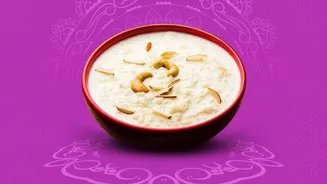
Makhana, or fox nuts, are incredibly versatile and nutritious, making them a perfect food for fasting. For a quick and savoury breakfast, simply roast the makhana in a spoonful of ghee until they are crisp. Toss them with sendha namak and a pinch of black pepper powder for a simple, crunchy snack that keeps hunger at bay. If you have a sweet tooth in the morning, Makhana Kheer is a wonderfully wholesome option. This creamy dessert is made by simmering roasted makhana in milk until they become soft and tender. The kheer can be sweetened with sugar or jaggery and flavoured with cardamom and saffron for a rich, comforting start to your day. It can be enjoyed warm or chilled.
The No-Cook Refresher: Vrat-Friendly Fruit Chaat
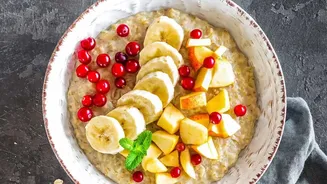
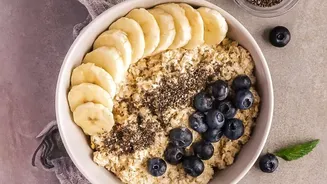
When you need a breakfast that is quick, refreshing, and requires no cooking, a vibrant fruit chaat is the answer. During Sawan, many devotees rely on fruits to stay energised and hydrated. Create a colourful bowl by chopping up vrat-approved fruits like bananas, apples, papaya, and pomegranate. To elevate it from a simple fruit salad to a flavourful chaat, make a simple dressing. A squeeze of lemon juice, a sprinkle of sendha namak, and a pinch of roasted cumin powder are all you need to bring the flavours together. You can also add some boiled and cubed potatoes for a more filling chaat. It's a breakfast that's not only compliant with fasting rules but also packed with essential vitamins and natural energy.