

The New All-India Breakfast Club
Not too long ago, the idea of starting your day with Poha in Chennai, a Maharashtrian staple, or finding authentic Pesarattu from Andhra Pradesh in a Delhi cafe would have seemed unusual. Breakfast has traditionally been the most local of all meals in India.
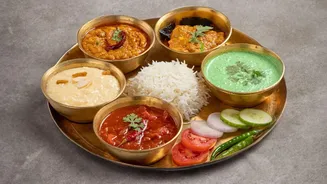
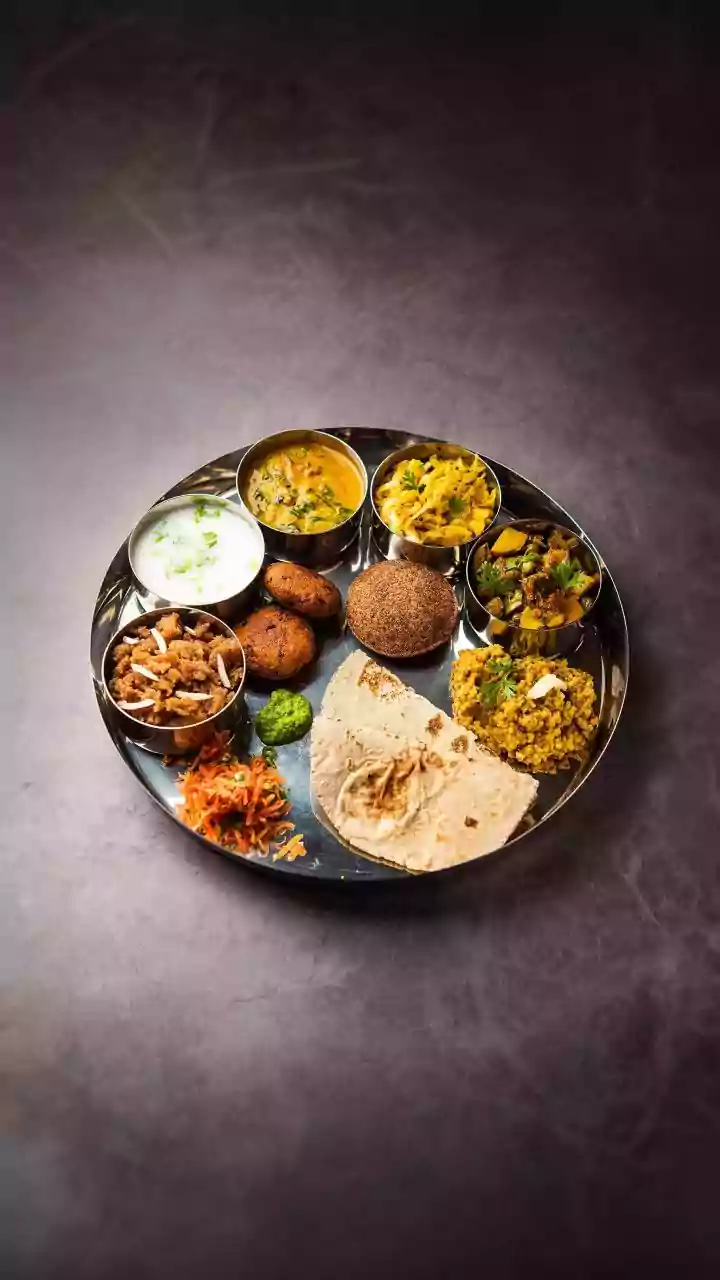
While lunch and dinner options have long been diverse, the first meal of theday was typically a taste of home, defined by recipes passed down through generations within a specific region. Today, that notion is delightfully outdated. A quiet revolution is taking place on breakfast tables and in restaurant kitchens across the country. Dishes are migrating, blending, and creating a new, shared culinary identity. This isn't about replacing local favourites but expanding the menu, making the entire country's morning repertoire accessible to all.
Poha: The Dish That Conquered India
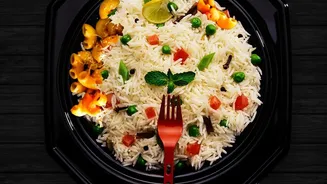
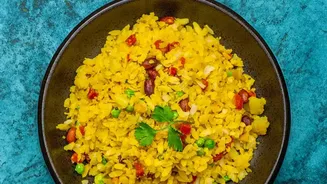
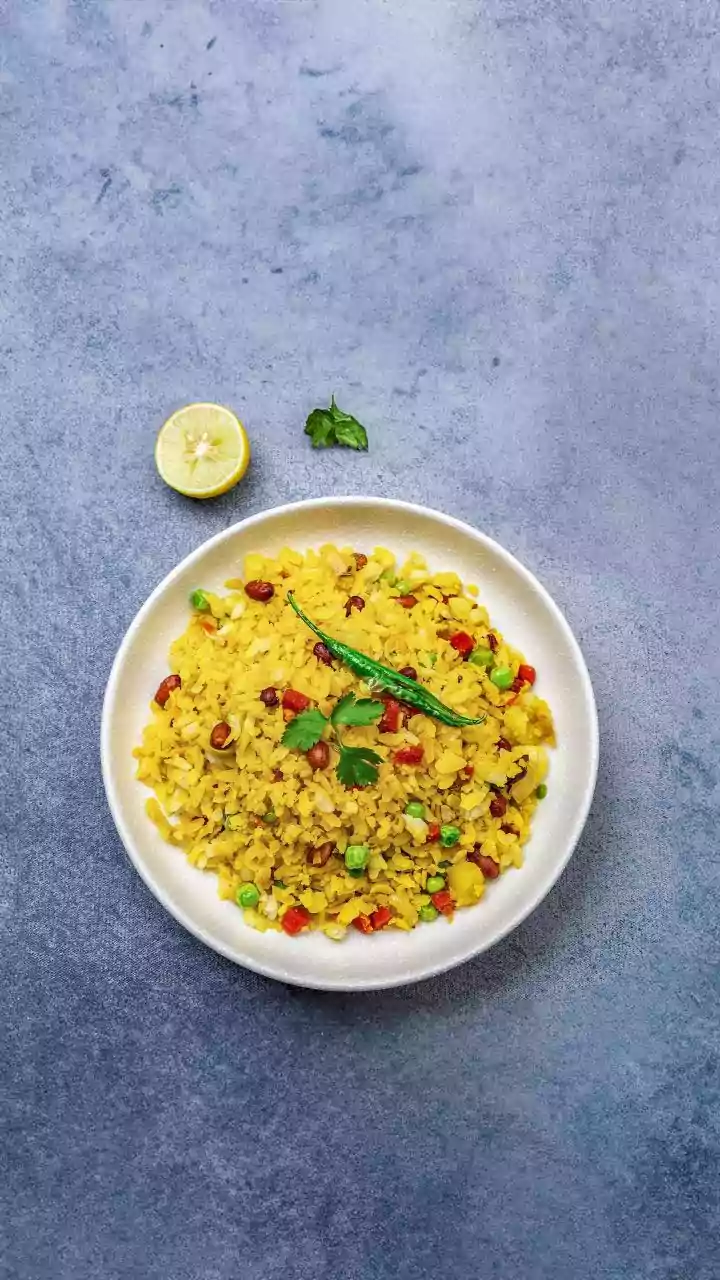
Perhaps no dish exemplifies this trend better than Poha. Made from flattened rice, this humble and versatile dish has its roots in Western and Central India, particularly Maharashtra and Madhya Pradesh. Known as Kanda Poha in Maharashtra (with onions) and gaining a sweet and savoury fame as Indori Poha, its appeal is simple: it's quick, light, and incredibly adaptable. Poha can be prepared in under 15 minutes, making it perfect for hectic mornings. Its low cost and the wide availability of its basic ingredients—flattened rice, onions, and simple spices—have helped it travel far beyond its origins. You'll now find dedicated stalls and cafes serving steaming plates of Poha, garnished with sev and pomegranate seeds, in cities like Bengaluru and Hyderabad, where it has become a beloved alternative to the traditional idli and dosa.
The Southern Wave Heads North
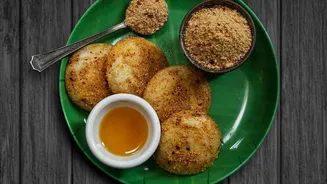
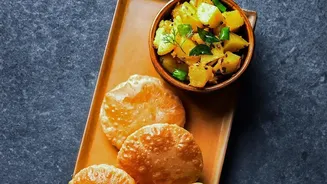
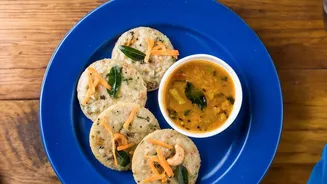
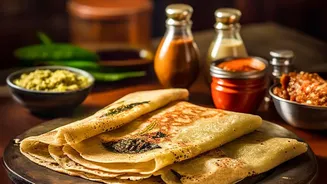
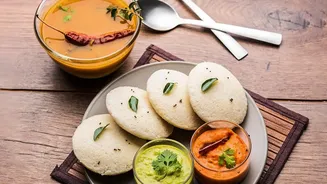
The culinary exchange is by no means a one-way street. While South Indian staples like idli and dosa have been popular nationwide for decades, a new wave of lesser-known breakfast items is now making its mark up North. Appam, the fluffy, bowl-shaped pancake from Kerala, served with a coconut-milk-based stew, is appearing on brunch menus in Mumbai and Gurgaon. Similarly, Andhra Pradesh's Pesarattu, a crepe made from green moong dal, is gaining a reputation as a high-protein, healthy breakfast option in cities that were once dominated by parathas and puri-sabzi. This indicates a growing appetite for diversity and a willingness among consumers to explore textures and flavours beyond their regional comfort zones. Even within the familiar, there's exploration; people are seeking out specific regional versions, like the soft, spongy Neer Dosa from Karnataka.
Why Is This Happening Now?
Several factors are fueling this delicious migration. The most significant driver is internal migration. As people move across the country for education and employment, they bring their food habits with them. This creates a demand for authentic regional food, which enterprising street vendors and restaurateurs are quick to meet. Secondly, the rise of social media and food-focused content has created a generation of curious eaters. A viral video of a unique dish can spark demand overnight. Finally, the evolution of the food business, particularly the rise of cloud kitchens, has made it easier and more cost-effective for entrepreneurs to specialize in niche regional cuisines. These delivery-only kitchens can cater to specific cravings for, say, Bihari Sattu Paratha or Gujarati Thepla without the high overheads of a traditional restaurant.
An Appetite for Authenticity
Ultimately, this trend is about more than just convenience; it's about a search for authenticity. Urban Indians are no longer satisfied with generic, one-size-fits-all menus. They crave food with a story, a sense of place, and a connection to a specific culture. When a person from Pune finds a perfect plate of Kanda Batata Poha in Delhi, it’s a taste of home. For someone who has never been to Kerala, enjoying a well-made Appam is a form of culinary tourism. This exchange enriches India's food landscape, proving that while tastes might be acquired, a good breakfast is a joy that knows no state borders. The lines are blurring, and our palates are all the better for it.