




Master the Art of Watering
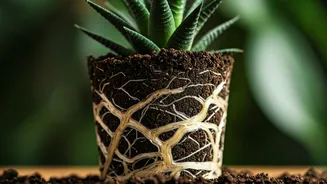
The single biggest mistake plant parents make during the monsoon is overwatering. With high humidity in the air, the soil in your pots dries out much slower than it does in summer. Continuing your summer watering schedule is a fast track to root rot,
a condition where roots decay due to a lack of oxygen in waterlogged soil. The rule is simple: ditch the fixed schedule. Before you even think about watering, perform the finger test. Push your finger about an inch into the soil. If it feels damp, wait another day or two. When you do water, do so lightly. Most indoor plants will need significantly less water, with watering frequency dropping to once every 7 to 12 days for many common varieties.
Combat High Humidity and Fungi
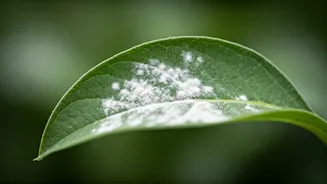
While outdoor plants love the rain, the combination of high humidity and poor indoor air circulation creates a perfect breeding ground for fungal diseases. You might notice white powdery mildew on leaves or mould on the soil surface. Improving ventilation is your strongest defence. Whenever possible, open windows to let air circulate. You can also run a fan for a few hours a day to keep the air from becoming stagnant around your plants. Wiping leaves gently with a dry cloth and removing any fallen or yellowing leaves from the pot promptly can also help prevent fungal growth. For persistent issues, a diluted spray of neem oil can act as a natural fungicide.
Chase the Diminishing Sunlight
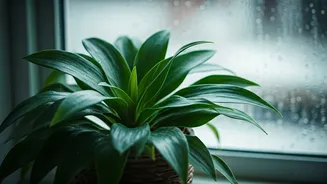
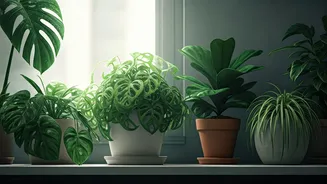
Overcast skies are the hallmark of the monsoon, meaning significantly less natural light reaches your indoor spaces. Plants that were happy in a corner during the bright summer months might now be struggling. Pay attention to the light in your home and be prepared to move your plants. Relocate them closer to windows that receive the maximum possible indirect sunlight to help them continue their process of photosynthesis. Rotating your pots every few days will also ensure that all sides of the plant get some exposure to the available light, preventing lopsided growth.
Declare War on Pests
Pests love the damp and warm conditions of the monsoon as much as fungi do. Mealybugs, aphids, and fungus gnats are particularly common during this season. Inspect your plants regularly, paying close attention to the undersides of leaves and the points where leaves join the stems. If you spot pests, act quickly. Isolate the infected plant to prevent the pests from spreading. You can manage many common pests by spraying the leaves with a simple solution of soap and water or a neem oil spray. For fungus gnats, which breed in moist soil, allowing the top layer of soil to dry out completely between waterings is an effective deterrent.
Pause on Fertilising and Repotting
The monsoon is a period of slow growth for most indoor plants due to lower light levels. This is not the time for a growth spurt, so hold off on fertilising. Adding fertiliser to already moist soil can lead to root burn, as the plant isn't actively using the nutrients. If you feel the need to provide some nutrition, opt for a mild organic option like vermicompost once a month during a dry spell. Similarly, avoid repotting unless absolutely necessary. Repotting adds stress to a plant, and during the challenging monsoon season, it's best to let your plants conserve their energy and acclimatise to the environmental changes without any added disturbances.