






Anatomy of a Perfect Dessert
So, what exactly is this creation that has food lovers buzzing? At its heart is shrikhand, the beloved dessert from Maharashtra and Gujarat made from thick, creamy strained yoghurt (chakka), sweetened and delicately flavoured with saffron and cardamom.
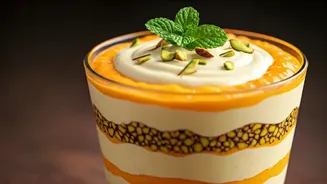
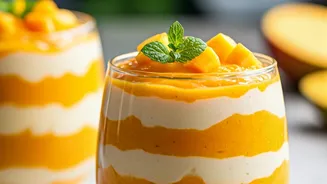
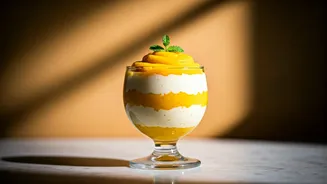
It’s a classic, a comfort food, a taste of home for millions. The magic happens when this traditional sweet is reimagined. Instead of being served in a simple bowl, it’s layered in a tall glass, parfait-style. Between the velvety layers of shrikhand, you’ll find generous helpings of vibrant, sweet mango pulp or fresh, juicy chunks of Alphonso, Kesar, or your favourite seasonal variety. The result is a stunning, multi-layered dessert that is as much a feast for the eyes as it is for the palate.
When Tradition Meets a Modern Twist
The rise of the mango shrikhand parfait is a perfect example of a larger trend in Indian cuisine: the thoughtful modernisation of tradition. Chefs and home cooks alike are exploring ways to present classic Indian flavours in formats that feel fresh, exciting, and globally relevant. The parfait structure, a staple of French and American dessert culture, provides the perfect canvas. It allows for a deconstruction of flavours and textures. You don't just get a homogenous bowl of sweetness; you get distinct layers. One spoonful might be pure, tangy shrikhand, the next a burst of sweet mango, and the next a delightful combination of both. This isn't about replacing the original; it's about celebrating it in a new and dynamic way, introducing a classic to a new generation of diners.
Desserts Designed for the 'Gram
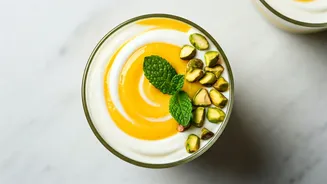
Let’s be honest: we eat with our eyes first. In the age of social media, a dessert’s photogenic quality is almost as important as its taste. The mango shrikhand parfait is an Instagrammer’s dream. The distinct, colourful layers—the pale yellow of the shrikhand, the bright saffron-orange of the mango, often topped with the green of pistachios or the deep red of pomegranate seeds—create a visually stunning effect in a clear glass. Cafes and restaurants know this. A dessert that gets photographed and shared online is its own best advertisement. This visual appeal has undoubtedly been a massive driver of the parfait’s popularity, encouraging people to order it not just to eat, but to experience and share.
A Symphony of Flavour and Texture
While it may look pretty, this dessert’s success ultimately hinges on its taste, and it delivers in spades. The combination is a classic for a reason. The slightly tangy, incredibly creamy, and aromatic shrikhand provides the perfect counterpoint to the intense, fruity sweetness of the mango. It’s a match made in culinary heaven. But the parfait format allows for an elevation of this pairing through texture. Many versions incorporate a crunchy element—a layer of crushed digestive biscuits, a sprinkle of granola, or a crumble made of toasted nuts and oats. This adds a much-needed textural contrast to the otherwise soft and creamy dessert, creating a more complex and satisfying eating experience with every spoonful.
The Chef's Creative Playground
For modern Indian chefs, the shrikhand parfait is more than just a trend; it's a playground. It offers a base to experiment and innovate. Some chefs are infusing the shrikhand with new flavours like rose or elderflower. Others are playing with different fruit combinations, pairing mango with passionfruit or lychee. The crunchy layer might be a sophisticated almond crumble or even a savoury-spiced biscuit. You might find versions with a hint of ginger, a drizzle of honey, or garnished with edible flowers. This dessert has become a symbol of the creative energy pulsing through India’s contemporary food scene, showing how our culinary heritage can be a source of endless inspiration.